
Wellness
5 Exercises to Get Your Body Bikini Ready


As the weather starts to get warmer, many people begin to focus on getting their bodies back into shape. Preparing your body for summer doesn’t have to be complicated, it requires strength training, consistency, and proper nutrition. Exercise plays a key role in building muscle and supporting metabolism, which contribute to changes in body composition over time.
Here are five exercises to include in your routine:
Squats
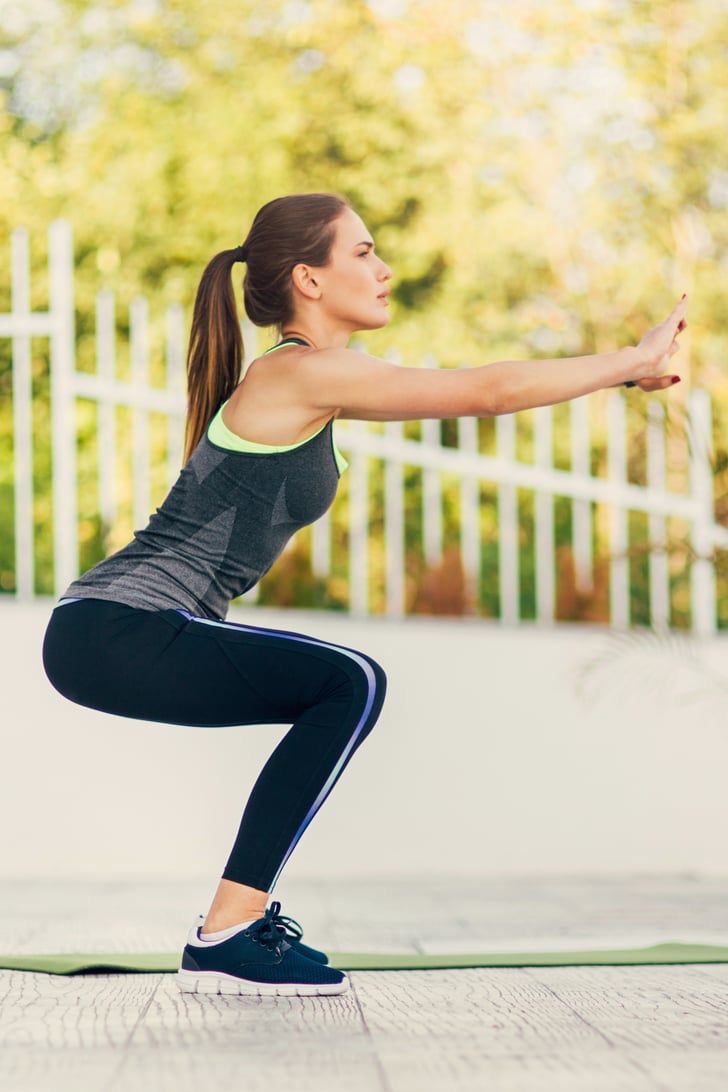
Photo: Pinterest
Stand with your feet apart, keep your back straight and lower your body by bending your knees, as if you are sitting on a chair. Go down until your thighs are almost parallel to the ground, then return to a standing position. Repeat. Squats target the thighs, glutes, and lower body, helps to tighten up muscles and improve posture.
Lunges
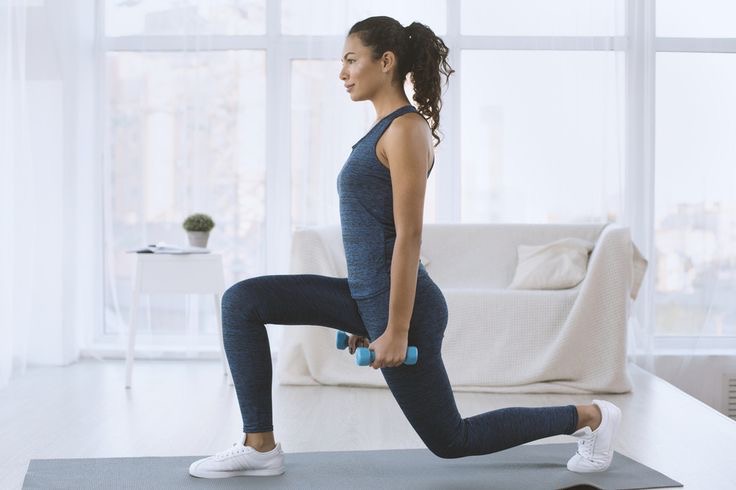
Photo: Pinterest
Start by bringing one foot forward and lowering your body by bending your second knee to the ground. Push back up to the starting position and switch legs. Lunges strengthen your knees and legs, as well as improving flexibility.
Plank
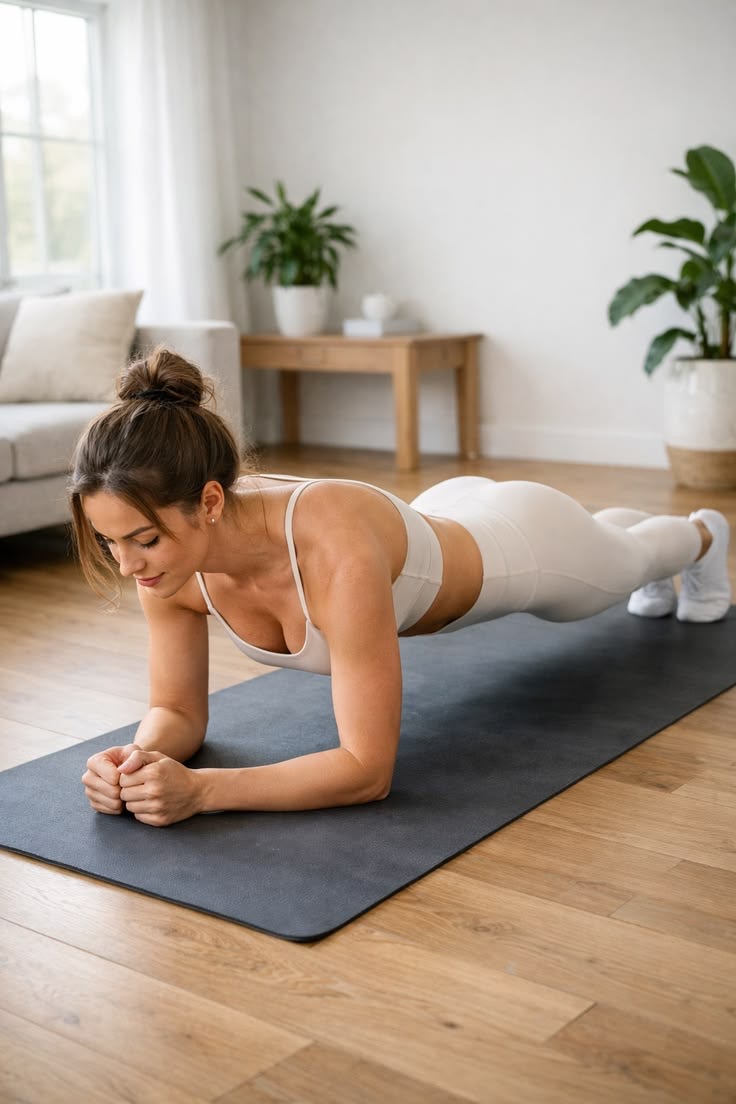
Photo: Pinterest
Place both your forearms on the ground with your elbows directly under your shoulders, extend your legs behind you and keep your body in a straight line. Hold this position without letting your hips drop for about 40 seconds. Increase the time limit as you go. This particular position strengthens your core muscles and supports better posture.
Push-Ups
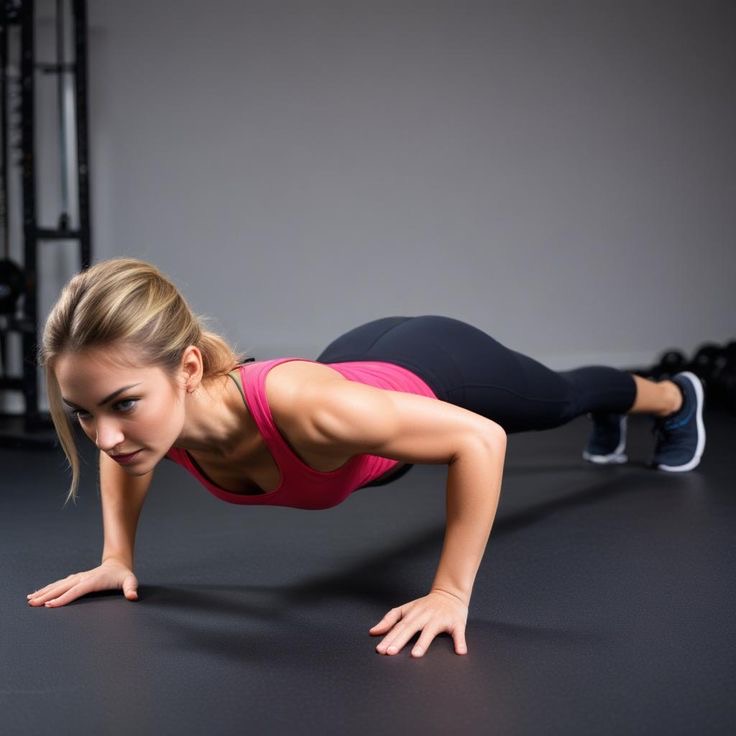
Photo: Pinterest
Stay in a plank position but this time, your hands will be placed on the ground, while keeping your body in a straight line from head to heels. Lower your body by bending your elbows until your chest is close to the ground, then push back up to the starting position and repeat. This works multiple muscles simultaneously, enhancing core stability and developing your triceps.
Glute Bridges
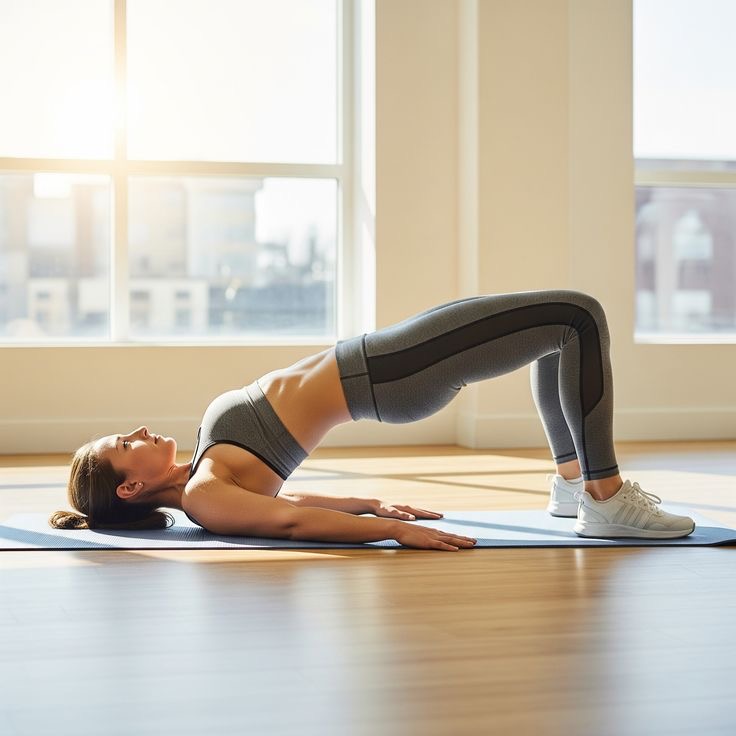
Photo: Pinterest
Lie on your back with your knees bent and feet flat on the ground, keep your arms by your sides. Slowly lift your hips towards the ceiling until your body forms a straight line from your shoulders to your knees, squeeze your glutes and lower back down then you repeat. Glute bridges not only help you maintain a lean physique but also reduces knee and lower back pain.
All these exercises won’t produce noticeable results if you have poor eating habit. Nutrition play a vital role in helping you lose fat and giving you your dream bikini body. Start by maintaining a calorie deficit, meaning you consume fewer calories than your body uses. These exercises will help increase the number of calories you burn.
Hydration is also non-negotiable throughout this process. Drinking enough water supports body metabolism and can aid in appetite regulation.




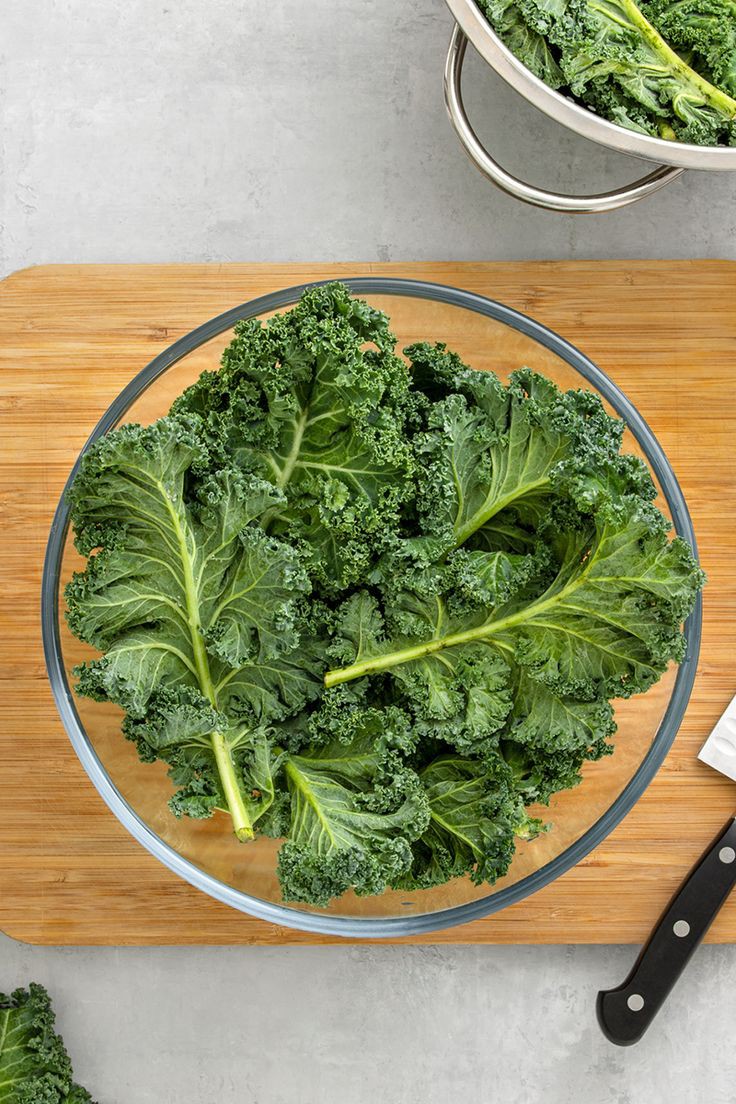
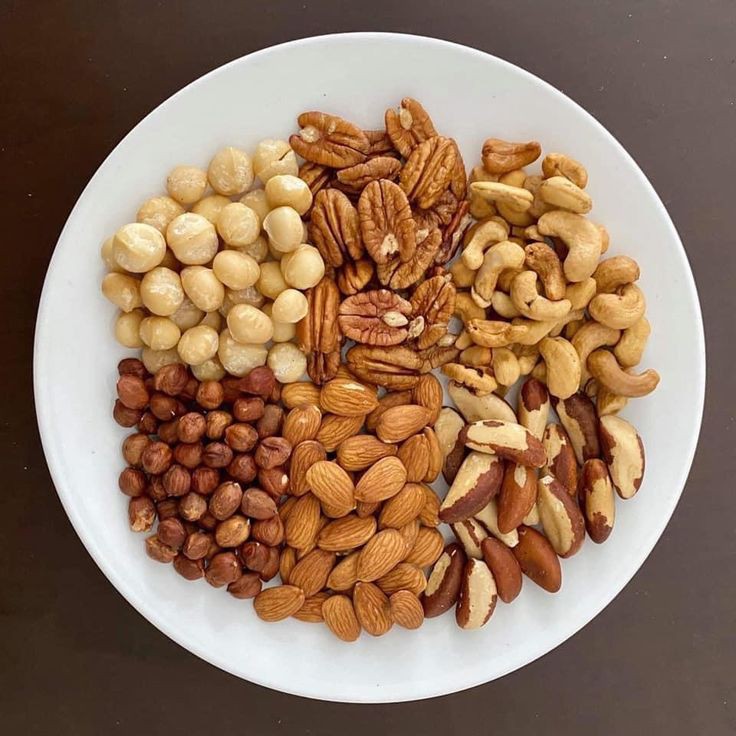
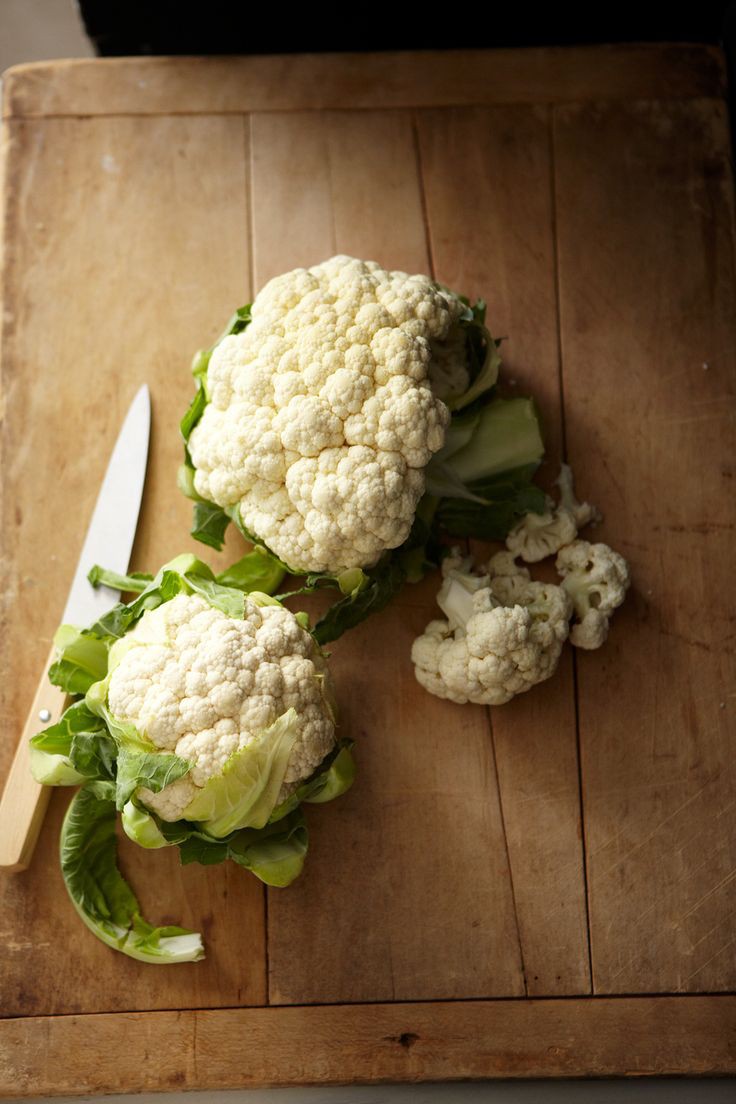
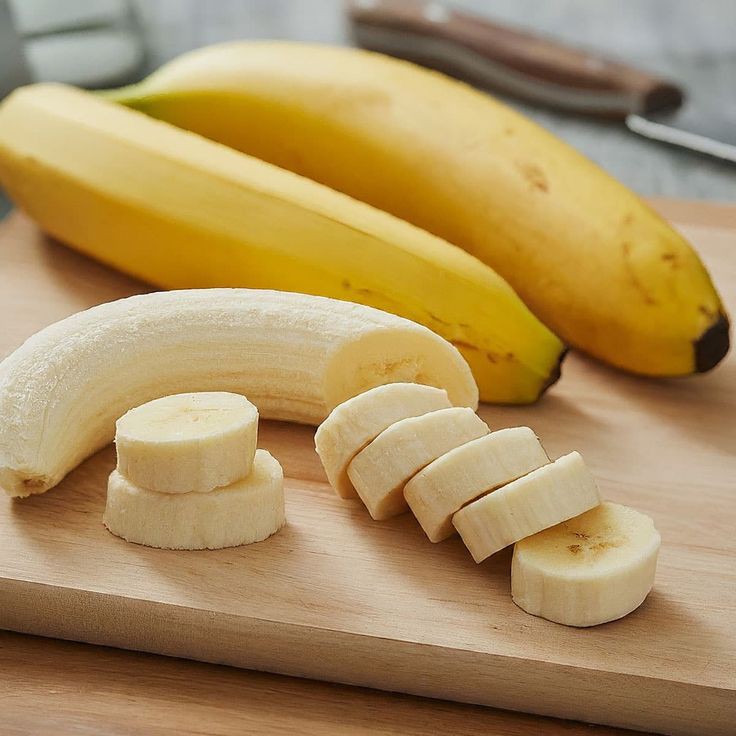
They Provide Key Nutrients
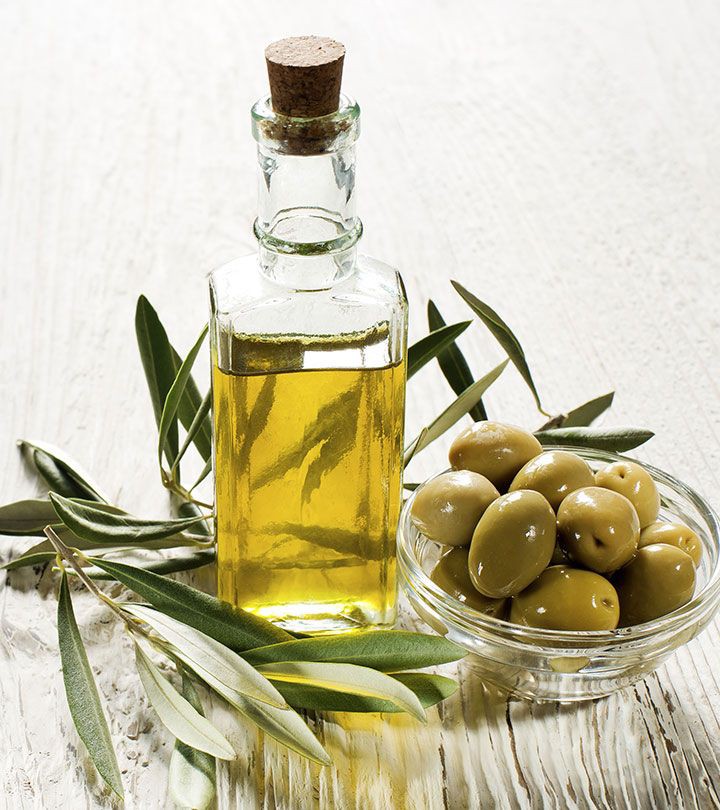
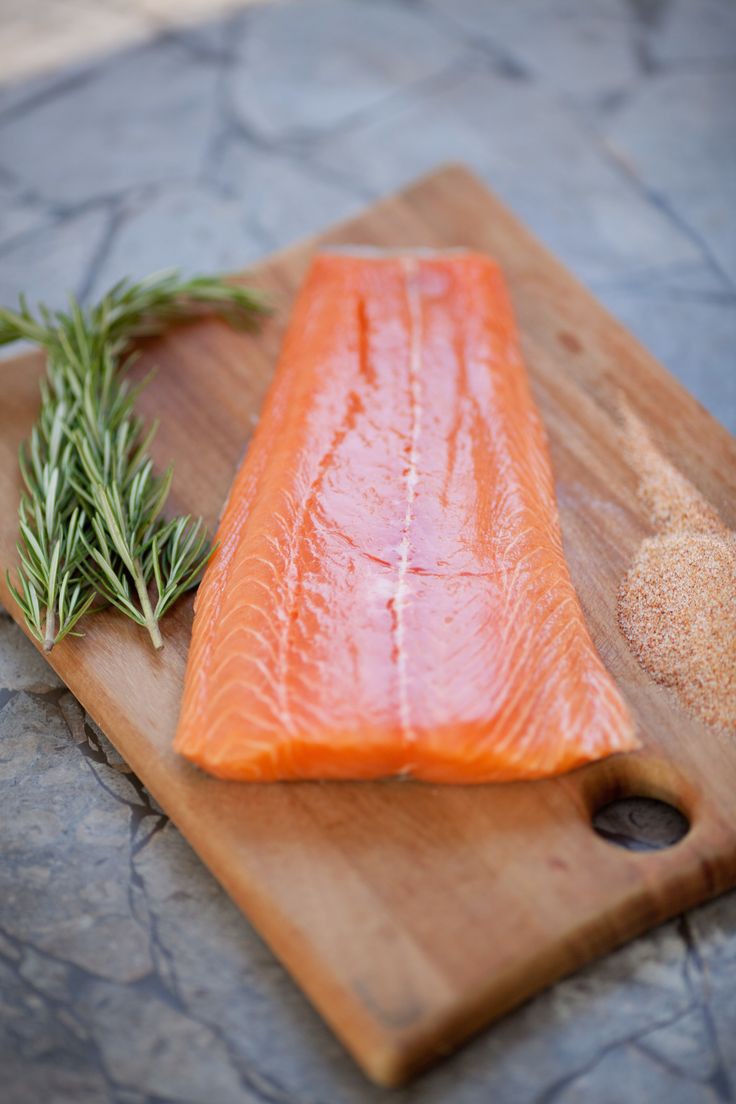
They Support Heart Health
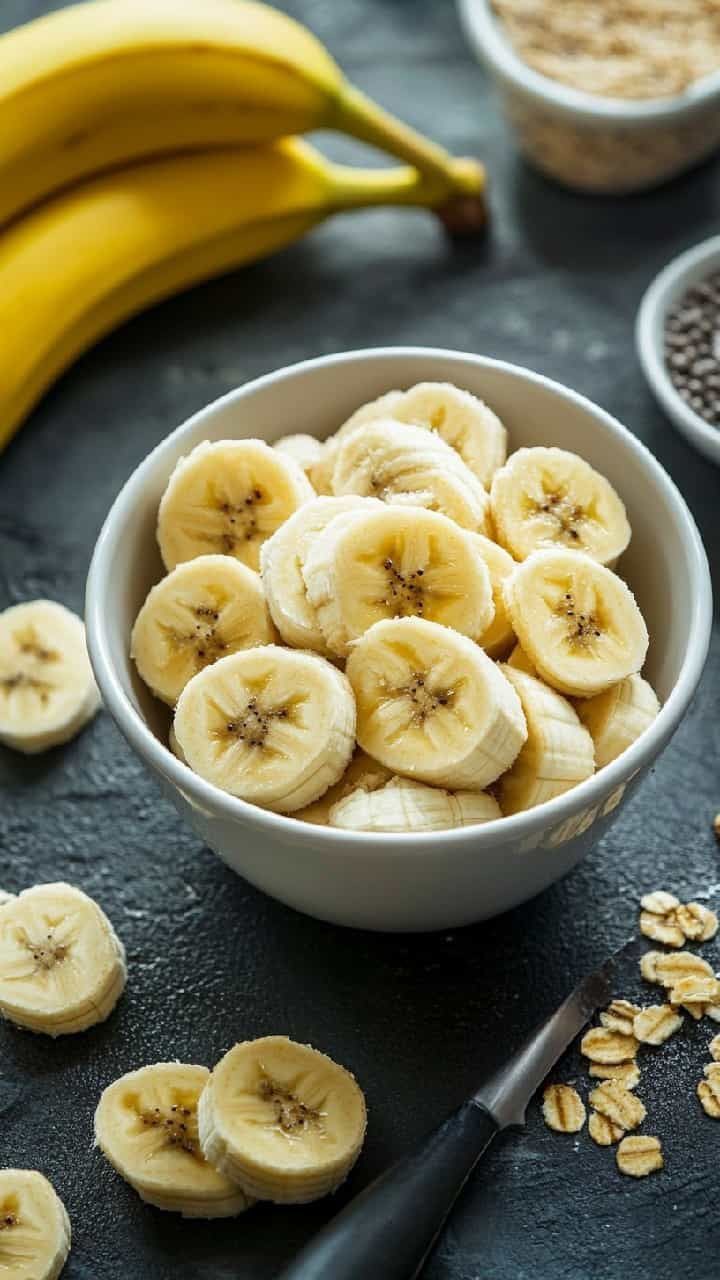
Photo: Pinterest/@Tami Olsen
They Can Aid Digestion
They Offer Lasting Energy
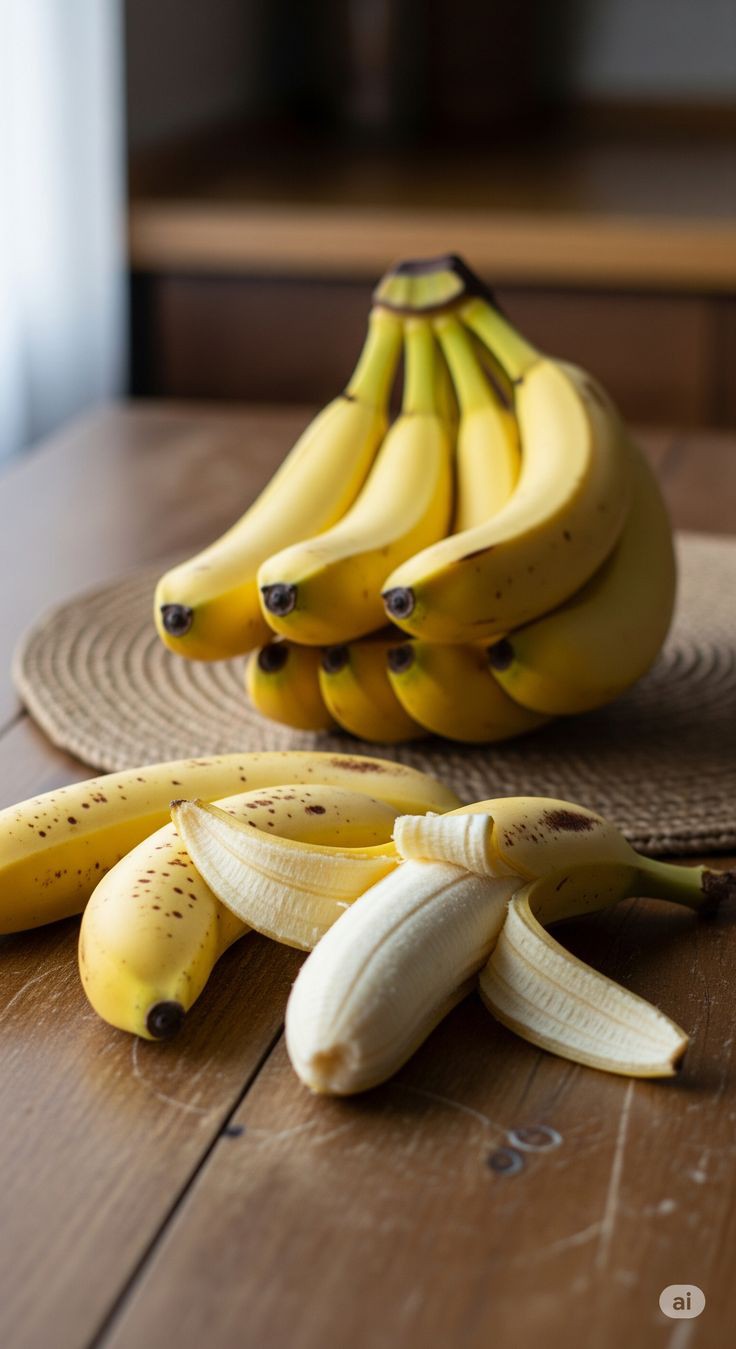
Photo: Pinterest/@Pitasa
They May Help With Exercise Recovery
They Contain Antioxidant
They Can Help You Feel Full
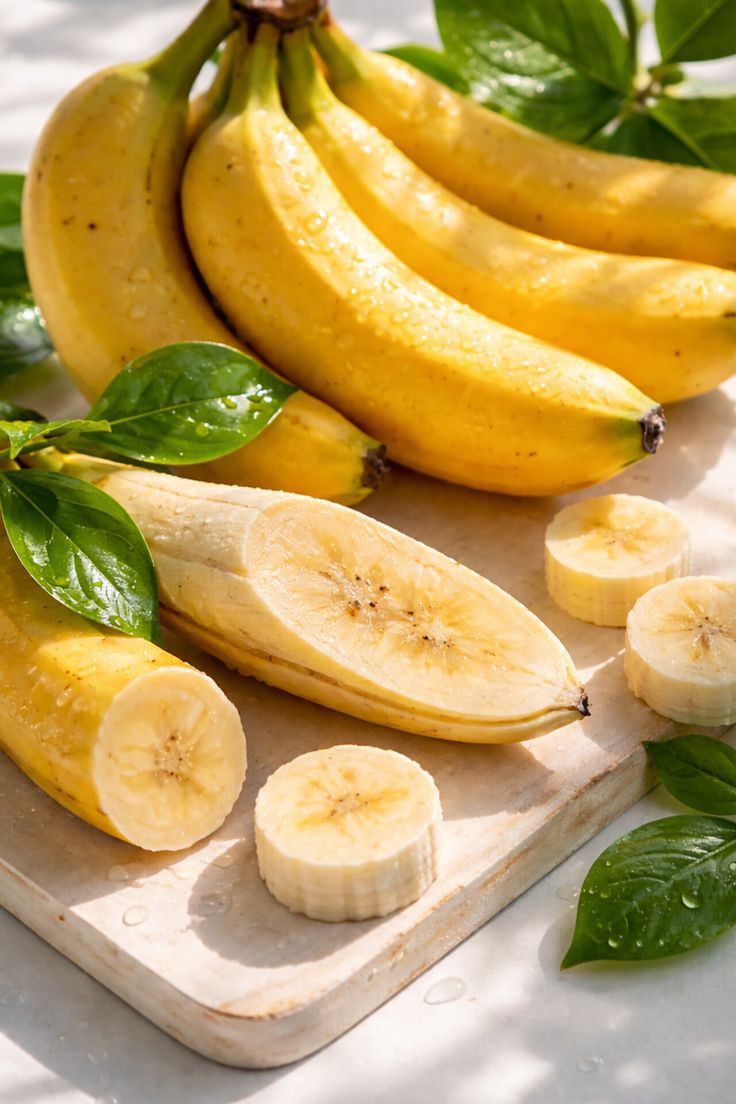
Photo: Pinterest/@Nature
An Easy Fruit to Include Every Day

You’re Feeling Thirsty or Your Mouth Feels Dry
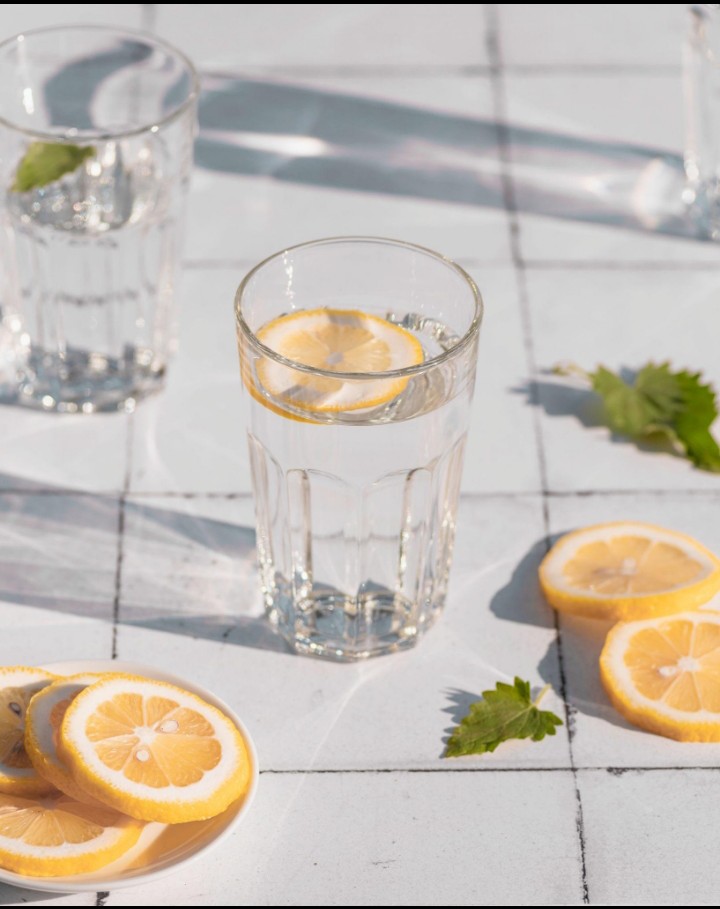
Photo: Pinterest
Your Urine Is Dark Yellow
You Have a Headache or Feel Dizzy
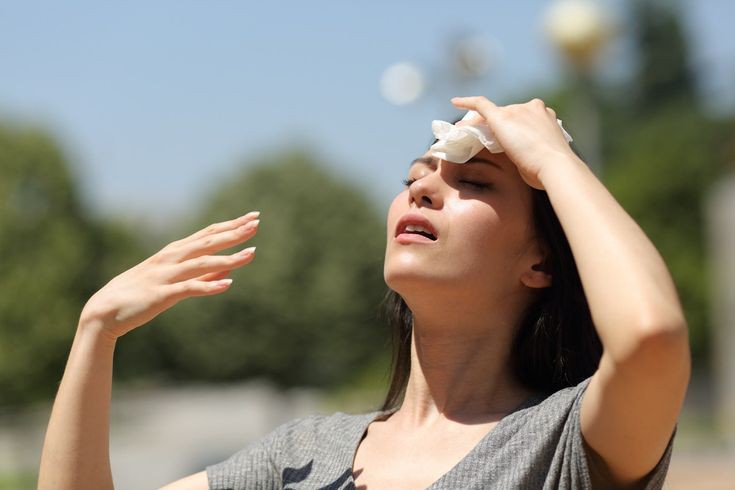
Photo: Pinterest
You’re More Tired Than Usual or Struggling to Concentrate
Your Lips and Skin Feel Dry
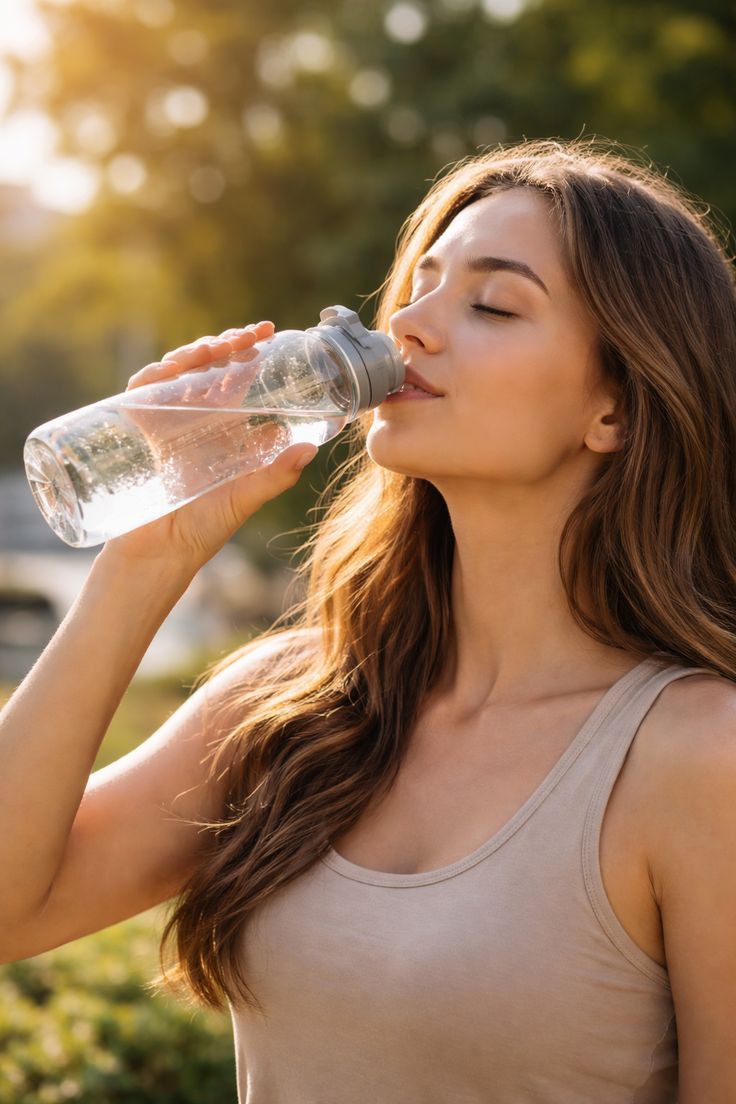
Photo: Pinterest
When to Seek Medical Care


How the Street Style Set Is Wearing Handkerchiefs Now

Kate Middleton Debuts Blonder Hair and a Sun-Kissed Glow in Scotland

Things You Should Never Say to Your Partner After Sex



-

 Fashion2 months ago
All the Celebrities Seen at Chanel’s Fall 2026 Couture Show
-

 Celebrity Style2 months ago
Zendaya Opens The Odyssey Press Tour With Ancient Greece in Mind
-

 Fashion2 months ago
The Best Street Style Moments from Fall 2026 Couture Week
-

 Celebrity Style2 months ago
Anne Hathaway Chooses Dior for The Odyssey Premiere in London
-

 Music1 month ago
Rihanna Surprises Fans With Her First Live Performance in Years at Jay-Z’s Concert
-
 Lifestyle2 months ago
The World’s Most Luxurious Wedding Favors
-

 Celebrity Style2 months ago
Dua Lipa’s Post-Honeymoon Style Era
-

 Celebrity News2 months ago
Justin Bieber Set to Perform at FIFA World Cup 2026 Final Halftime Show