Connect with us

Wellness

How Coastal Wellness Is Transforming Travel in 2026

Published

on

Photo: Shutterstock

In 2026, travel is increasingly centered on restoration, longevity, and intentional wellbeing, with coastal wellness emerging as one of the industry’s defining shifts. Beachfront destinations are evolving beyond leisure escapes into spaces designed for measurable physical recovery, mental clarity, and preventative health.

From oceanfront sleep retreats and marine-based spa therapies to wellness cruises and regenerative tourism, coastlines are becoming powerful hubs in the expanding wellness travel economy.

Why Coastal Wellness Is Rising


Wellness tourism continues to grow as travelers prioritize experiences that support health, stress reduction, and sustainable living. Coastal environments naturally align with these priorities through therapeutic benefits such as sea air, sunlight, mineral-rich waters, and access to movement-based activities.

Scientific interest in “blue mind” wellness the calming psychological effects of water proximity has further accelerated demand for ocean-centered travel experiences.

As a result, hospitality brands are increasingly investing in wellness programs that integrate marine environments with evidence-based health practices.

Photo: IStock

Key Coastal Wellness Trends Defining 2026

Oceanfront Wellness Resorts

Luxury resorts are expanding beyond traditional spas, offering:

– Sleep optimization programs

– Guided meditation and breathwork

– Thalassotherapy treatments

– Hydrotherapy circuits

– Functional nutrition plans

– Longevity-focused therapies

These offerings reflect growing traveler demand for preventative wellness and deeper recovery.

Thalassotherapy Revival

The therapeutic use of seawater, seaweed, and marine minerals is seeing renewed popularity, particularly across Mediterranean, Middle Eastern, and Asian coastal destinations.

This blend of traditional healing and modern wellness science is helping reposition coastal retreats as major players in global health tourism.

Wellness Cruises

Cruise operators are reshaping their offerings to include:

– Fitness and recovery programming

– Ocean meditation

Nutritional dining

– Digital detox packages

– Medical-grade spa services

This transformation is attracting travelers seeking restorative maritime experiences.

Photo: Getty Images

Sustainability and Regenerative Travel

In 2026, coastal wellness is increasingly linked to environmental responsibility. Travelers are seeking destinations that prioritize both personal wellbeing and ocean preservation.

This has fueled growth in:

– Reef restoration programs

– Plastic-free resorts

– Sustainable coastal architecture

– Marine conservation tourism

– Eco-conscious hospitality models

The fusion of sustainability and wellness is reshaping luxury travel standards.

Why Its Important

The popularity of coastal wellness reflects broader cultural priorities, including:

– Burnout recovery

– Mental health awareness

– Longevity

– Sustainable living

– Experience-led luxury

Photo: Freepik

Travelers are increasingly investing in trips that offer long-term physical and emotional benefits rather than short-term indulgence.

The Future of Travel

Coastal wellness is no longer a niche trend. It is actively influencing how resorts are built, how travel brands innovate, and how modern travelers define value.

In 2026, the world’s coastlines are becoming strategic centers for wellness innovation, sustainable tourism, and restorative luxury  positioning ocean-centered wellbeing as a lasting force in the future of global travel.

Continue Reading
Click to comment

Leave a Reply

Your email address will not be published. Required fields are marked *

four + 6 =
Powered by MathCaptcha

Wellness

Foods That May Help You Sleep Better

Published

on

Photo: Casual foodist

What you eat before bed can affect how you sleep. Some foods contain nutrients that support the body’s natural sleep-wake cycle, including tryptophan, melatonin, magnesium, vitamin B6, omega-3 fatty acids and fiber. Choosing them regularly may help support better sleep, particularly when they are part of a balanced diet.

The key is not to look for one food that will instantly make you sleepy. Instead, focus on foods that provide protein, fiber and healthy fats, while being mindful of what you eat and drink in the hours before bedtime.

Here are eight foods that may help support better sleep.

Almonds
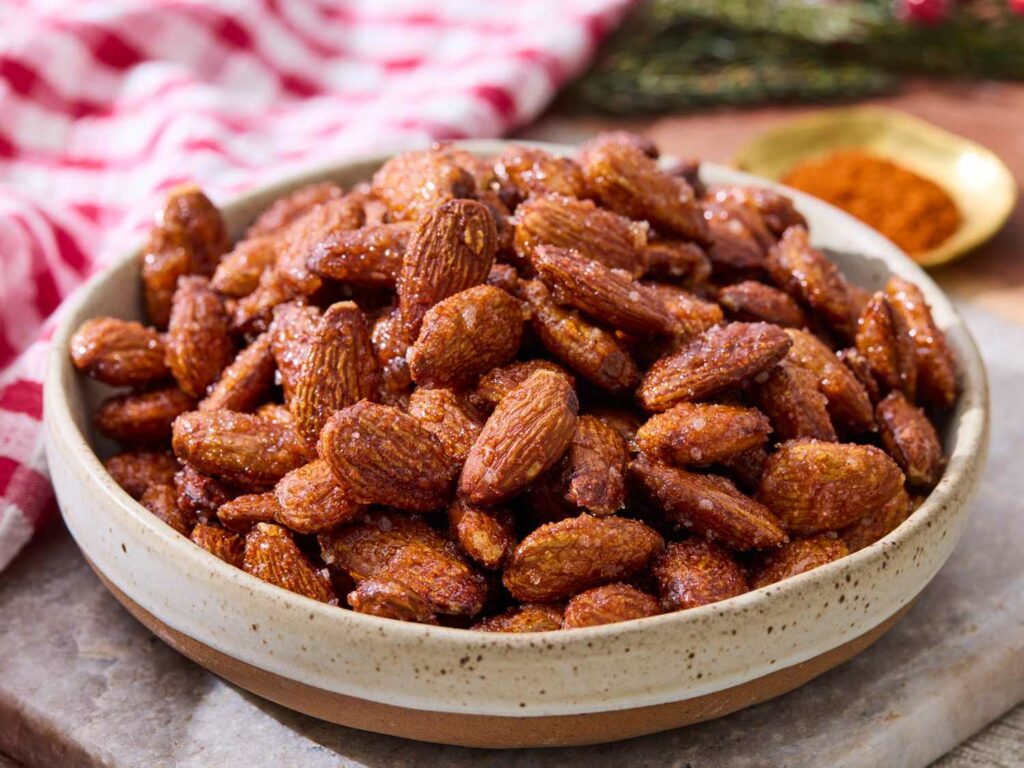
Photo: Allrecipes

Almonds are a good source of protein, healthy fats, fiber, magnesium and tryptophan. Magnesium is an important mineral for the body and may help support relaxation, while tryptophan is an amino acid the body uses to produce serotonin and melatonin.

Their combination of protein, fat and fiber can also help keep blood sugar more stable, making a small serving of almonds a practical evening snack.

Tart Cherries
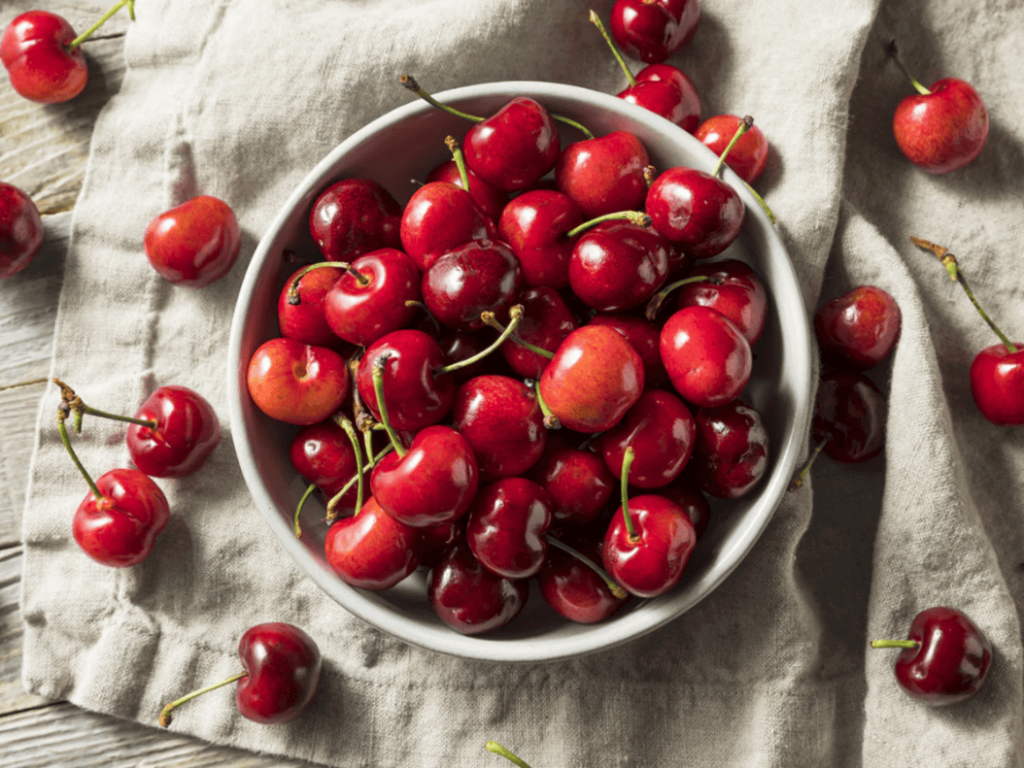
Photo: NEXIRA

Tart cherries naturally contain melatonin, the hormone involved in regulating the sleep-wake cycle. They can be eaten whole or enjoyed as tart cherry juice.

If you choose juice, an unsweetened variety is preferable. Added sugar at night may work against your efforts to settle down for sleep.

Tart cherry products may not be suitable for everyone. If you take medication regularly, speak with your healthcare provider before making tart cherry juice or supplements part of your routine, as their natural melatonin content may interact with some medications.

Kiwi

Photo: The fruit shopper

Kiwi contains serotonin, which is involved in the production of melatonin, as well as fiber and antioxidants. It also contains some melatonin.

Eating kiwi before bed has been associated with improvements in sleep quality, and two kiwis about an hour before bedtime is the amount commonly discussed in relation to sleep.

Kiwi is also a useful source of fiber, making it a simple option if you want something light rather than a substantial meal at night.

Fatty Fish
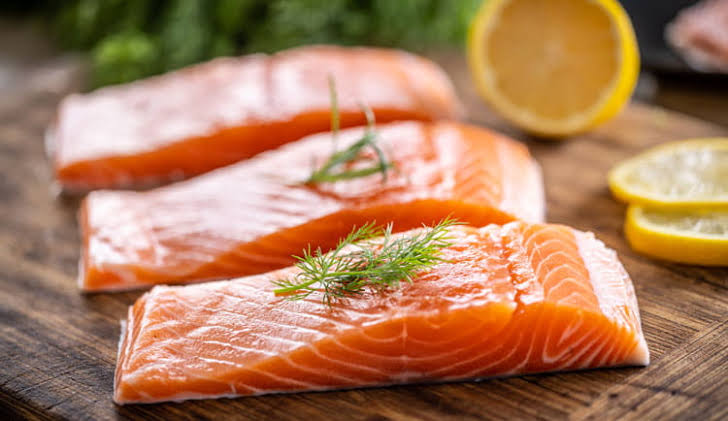
Photo: America Heart Association

Salmon, sardines and mackerel provide omega-3 fatty acids and vitamin D, nutrients associated with healthy sleep. Salmon also contains tryptophan.

Fatty fish can be incorporated into dinner as part of a balanced meal, and eating it regularly provides benefits that extend beyond sleep. A healthy diet generally includes fatty fish several times a week.

The type of fat you eat also matters. Unsaturated fats, such as those found in fatty fish, nuts and seeds, are preferable to diets high in saturated fat from foods such as heavily fried foods and fatty meats.

Eggs

Eggs provide tryptophan and vitamin B6. Vitamin B6 helps the body produce melatonin and serotonin, while tryptophan is used in the production of serotonin.

If you are eating eggs for their tryptophan content, include the yolk rather than eating only the whites.

Eggs can also be an easy source of protein at dinner, particularly when paired with vegetables or whole grains.

Pistachios

Photo: Dr Earth

Pistachios contain protein, healthy fats, vitamin B6 and melatonin. They can make a convenient evening snack when you want something small before bed.

A modest portion is enough. Like other nuts, pistachios are nutrient-dense and relatively high in calories, so a small handful is generally more appropriate than eating a large quantity late at night.

Peanut Butter and Banana

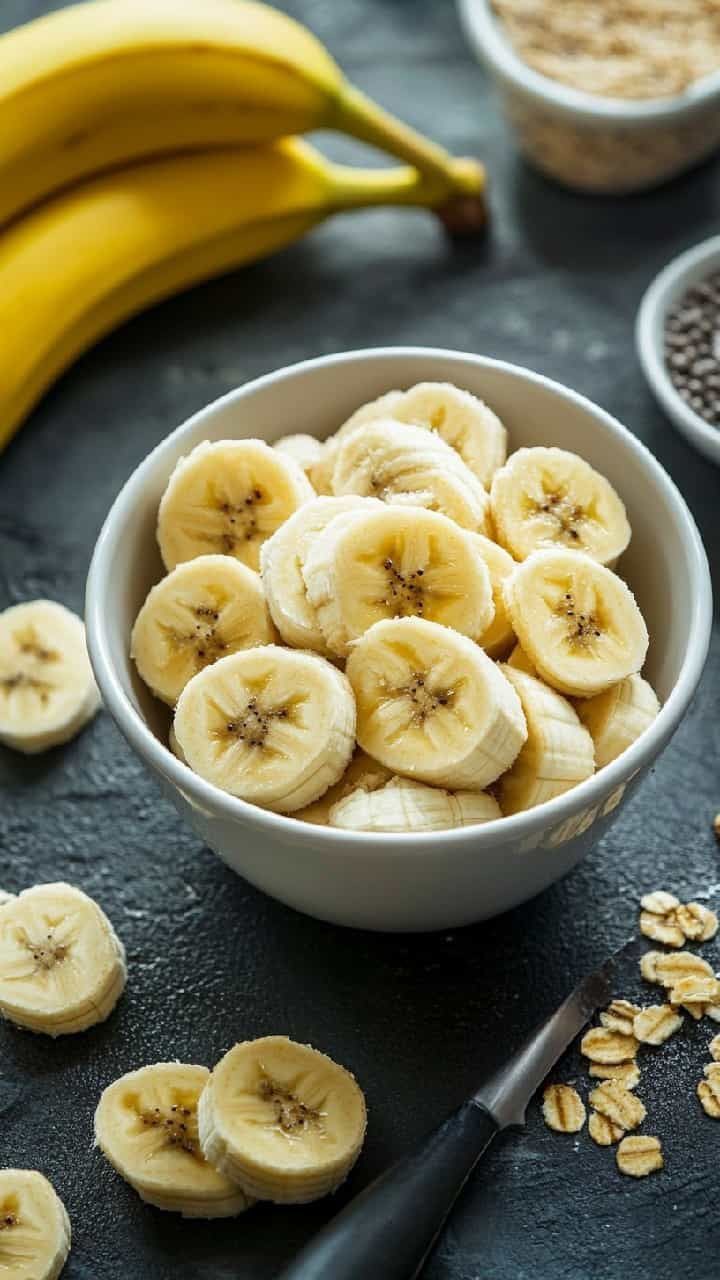
Peanut butter and banana bring several sleep-supportive nutrients together. Peanut butter provides protein, healthy fats and tryptophan, while bananas contain vitamin B6, magnesium and potassium.

Pairing a source of tryptophan with a carbohydrate can help the body make better use of tryptophan. A banana with a small amount of peanut butter therefore makes a simple evening snack.

Greek Yogurt
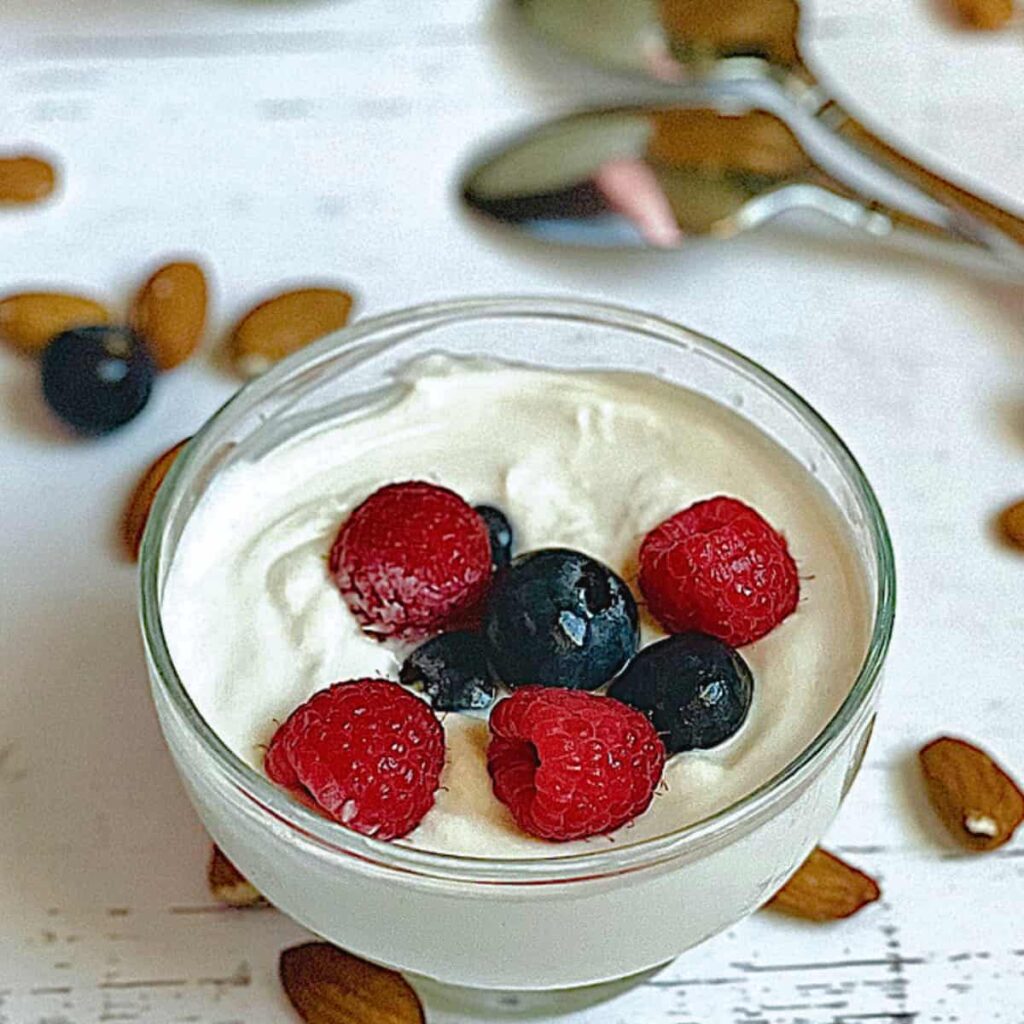
Photo: Tasty Oven

Greek yogurt provides protein and tryptophan and can be a lighter alternative to a rich dessert at night.

For a more filling snack, it can be paired with fruit, nuts or seeds. Choosing plain or lightly sweetened yogurt can also help keep added sugar lower in the evening.

What to Limit Before Bed

Choosing foods that may support sleep is only part of the picture. Some foods and drinks can make it harder to get a restful night.

Caffeine: Coffee is the obvious source, but caffeine is also found in tea, chocolate, energy drinks and some medications. Its effects can last for hours, and people who are particularly sensitive to caffeine may need to stop consuming it well before bedtime.

Alcohol: Alcohol may make you feel sleepy initially, but it can interfere with sleep later in the night and lead to more frequent waking. It can also contribute to dehydration.

Sugary foods and drinks: Large amounts of sugar at night may interfere with sleep. If you want something sweet, fruit is a better option.

Heavy or spicy meals: Eating a particularly heavy or spicy meal close to bedtime can contribute to indigestion and acid reflux, making it harder to sleep comfortably.

When to Eat

Even foods that fit into a sleep-friendly diet can be uncomfortable if you eat them immediately before lying down. Aim to finish a heavier evening meal around two to three hours before bed.

If you are genuinely hungry later, a small snack such as kiwi, a few almonds, Greek yogurt or a banana with a little peanut butter may be a better option than going to bed overly hungry.

Ultimately, better sleep is not about finding a single food that works like a sleep aid. It is about the overall pattern of what you eat, when you eat it and the habits you maintain around bedtime.

If you regularly have difficulty falling asleep or staying asleep, particularly if you wake up exhausted or frequently experience morning headaches, speak with a healthcare professional rather than relying on food alone.


Continue Reading

Wellness

6 Foods That Naturally Cleanse Your Liver for a Healthy Detox

Published

on

Photo: Pinterest/@stylecraze
The liver is one of the body’s most hardworking organs, quietly performing hundreds of essential functions every day from processing nutrients to breaking down substances the body no longer needs. While no food can magically “flush out” toxins overnight, a balanced diet rich in certain nutrients can help maintain healthy liver function and support the body’s natural detoxification processes.

For those looking to make more mindful choices in their daily routines, adding liver-friendly foods to meals can be a simple way to support overall wellness. Here are six foods that have been linked to better liver health.

Coffee

Your morning cup of coffee may offer more than an energy boost. Research has linked regular coffee consumption with benefits for liver health, including associations with a lower risk of certain liver conditions.

Coffee contains antioxidants and compounds that may help protect liver cells from damage. Studies have also explored its connection with a reduced risk of liver fibrosis and chronic liver disease.

Enjoying coffee as part of a balanced lifestyle may be one of the simplest habits that supports liver wellness.

Leafy Green Vegetables

Photo: Pinterest/@Jennifercervantes

Vegetables such as spinach, kale, and other leafy greens are packed with vitamins, minerals, and plant compounds that contribute to overall health.

Their high antioxidant content helps the body manage oxidative stress, while their fibre content supports digestive health an important part of maintaining overall wellness.

Adding greens to salads, smoothies, soups, or everyday meals is an easy way to increase nutrient intake.

Fatty Fish

Photo: Pinterest/@stefiehartman

Salmon, sardines, and other oily fish are rich in omega-3 fatty acids, nutrients associated with heart health and reduced inflammation.

Omega-3 fats have been studied for their potential role in supporting healthy fat levels in the liver, making fatty fish a valuable addition to a balanced diet.

Health experts often recommend including fish as part of a diet focused on long-term wellness.

Nuts

Photo: Pinterest/@danielramirez

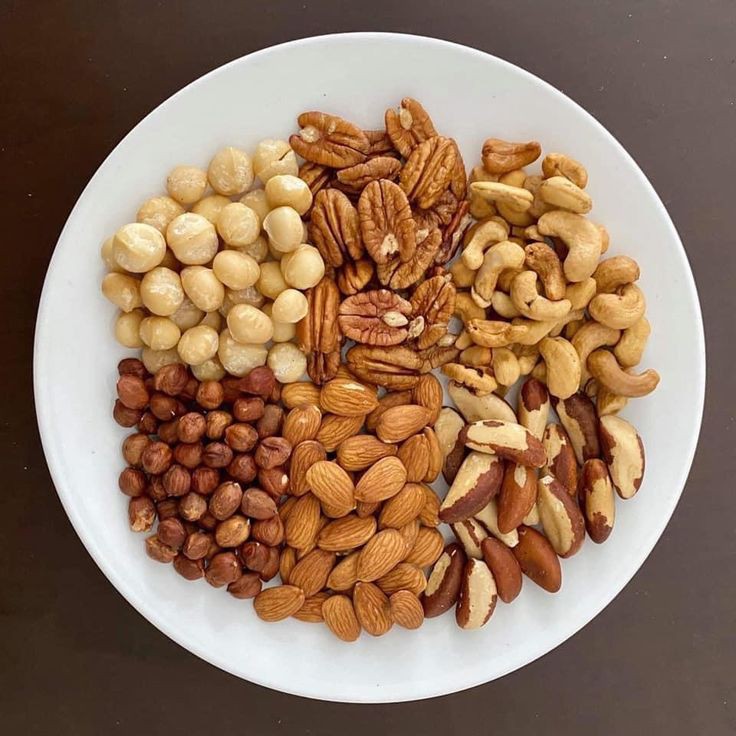
A small handful of nuts can provide a powerful combination of healthy fats, antioxidants, and nutrients.

Walnuts, in particular, have been studied for their omega-3 fatty acid content and potential benefits for liver health. Nuts also provide fibre and plant-based compounds that contribute to a nutrient-rich eating pattern.

Olive Oil

Photo: Pinterest/@stylecraze

A staple of Mediterranean-style eating, olive oil contains healthy fats and antioxidants that may benefit overall health.

Research has explored its connection with improved metabolic health, including factors associated with liver wellness.

Replacing less healthy fats with extra virgin olive oil can be a simple dietary upgrade that supports a balanced approach to nutrition.

Cruciferous Vegetables

Photo: Pinterest/@marthastewart

Broccoli, cauliflower, Brussels sprouts, and similar vegetables contain plant compounds that have been studied for their role in supporting the body’s natural processes.

Rich in fibre and nutrients, these vegetables are often recommended as part of a diet designed to promote overall health.

Whether roasted, steamed, or added to meals, they are an easy way to bring more variety and nutrients to the plate.

Continue Reading

Wellness

Reasons to Eat Bananas More Often

Published

on

Photo: Pinterest/@Lucy | Southern Food and Fun
Bananas are available year-round, affordable, and found in grocery stores almost everywhere, making them one of the most familiar fruits on the shelf. Their convenience often means they receive less attention than trendier superfoods, yet they offer an impressive range of nutritional benefits. Rich in essential vitamins, minerals, and fiber, bananas support heart health, digestion, energy production, and overall well-being. Whether eaten on their own, blended into smoothies, or added to breakfast bowls, they are an easy way to include more nutrient-rich foods in your diet.

They Provide Key Nutrients

A medium banana contains carbohydrates that provide energy, along with vitamin B6, vitamin C, potassium, magnesium, and dietary fiber. They are also naturally fat-free and contain no cholesterol, making them an easy addition to a balanced eating pattern.

They Support Heart Health


Photo: Pinterest/@Tami Olsen

Bananas are well known for their potassium content, a mineral that helps maintain normal blood pressure and supports healthy muscle and nerve function. Most people do not consume enough potassium, making bananas one practical way to help increase intake. Their fiber content also contributes to heart health as part of an overall nutritious diet.

They Can Aid Digestion

The fiber found in bananas supports healthy digestion and helps promote regular bowel movements. Slightly green and also contain more resistant starch, a type of carbohydrate that functions similarly to fiber by feeding beneficial gut bacteria

They Offer Lasting Energy

Photo: Pinterest/@Pitasa

Bananas contain natural sugars along with fiber, allowing energy to be released more gradually than foods made primarily with refined sugar. This combination makes them a popular choice before exercise or as a snack between meals

They May Help With Exercise Recovery

Potassium plays an important role in muscle function, and bananas are often included in post-workout meals because they provide carbohydrates that help replenish energy stores. While bananas alone are not a complete recovery meal, pairing one with a source of protein can support recovery after physical activity.

They Contain Antioxidant

Bananas provide several naturally occurring antioxidants, including dopamine and catechins. These compounds help protect cells from oxidative stress, which is associated with normal aging and various chronic diseases. The antioxidants found in bananas contribute to their overall nutritional value.

They Can Help You Feel Full

Photo: Pinterest/@Nature

The combination of fiber and carbohydrates can make bananas a satisfying snack, helping to reduce hunger between meals. When paired with foods such as yogurt, nuts, or nut butter, they can become part of a balanced snack that keeps you feeling satisfied for longer.

An Easy Fruit to Include Every Day

(more…)

Continue Reading

Trending