
Beauty
The Best Wrinkle Fillers for Smoothing Fine Lines Between Cosmetic Treatments



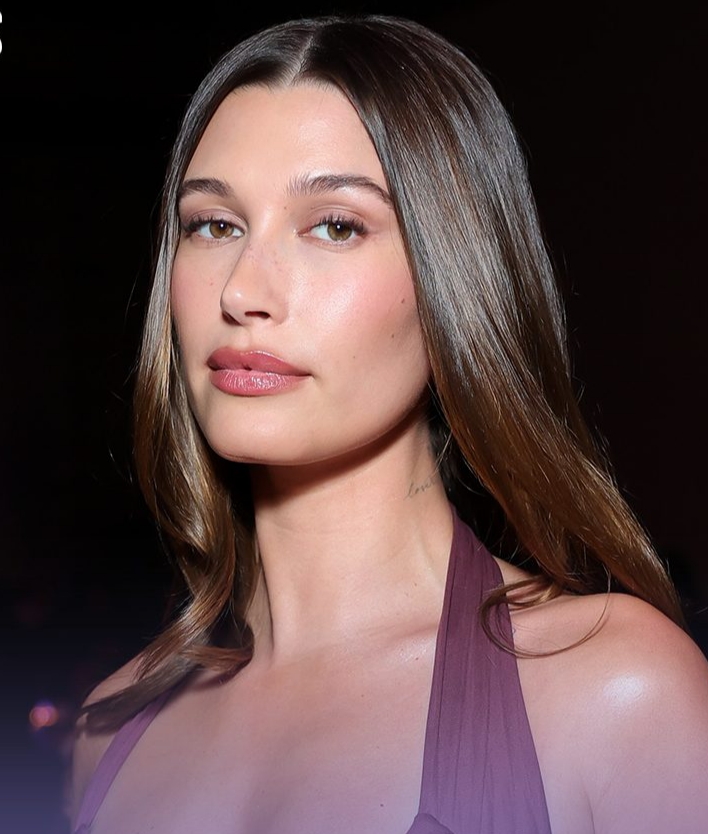
Hailey Bieber has gone brunette in one of her biggest hair changes in years, debuting a deep brown shade that marks her darkest color in more than a decade.
The new look was revealed by hairstylist Irinel de León on September 19, with Bieber wearing long, dark brown hair that falls well below her shoulders. Colorist Matt Rez created the new shade, while de León worked on the cut and styling. Extensions by Priscilla Valles were also used to add length.
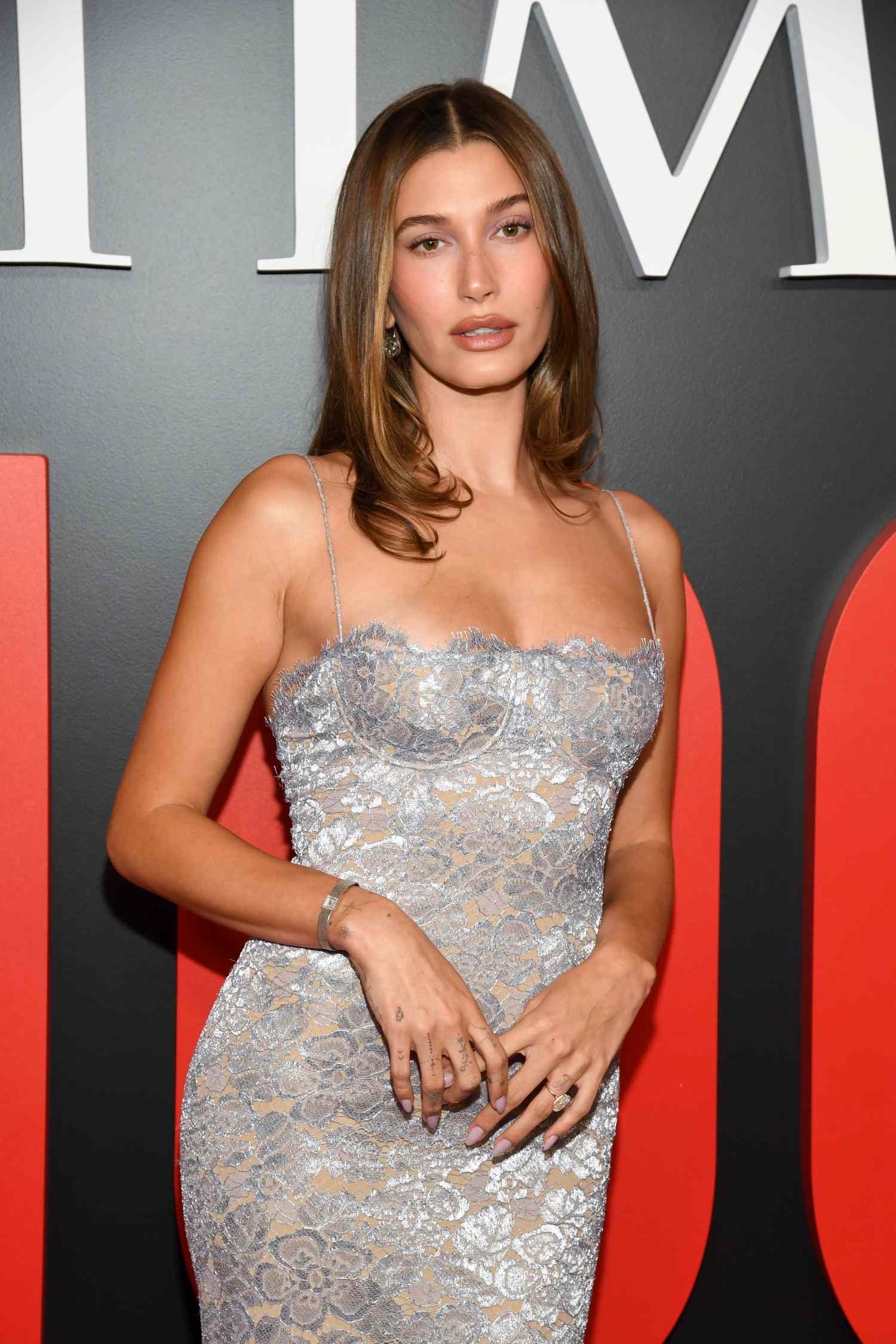
Photo: Getty Images
The change comes after Bieber has worn several lighter brunette and blonde shades in recent years. Her previous looks have included caramel highlights, warmer brown tones and an icy blonde bob, which she wore earlier this year.
This latest color is closer to a deep chocolate brown, with rich espresso tones running through it. The longer cut includes layers and shorter pieces around her face, giving the style more shape.
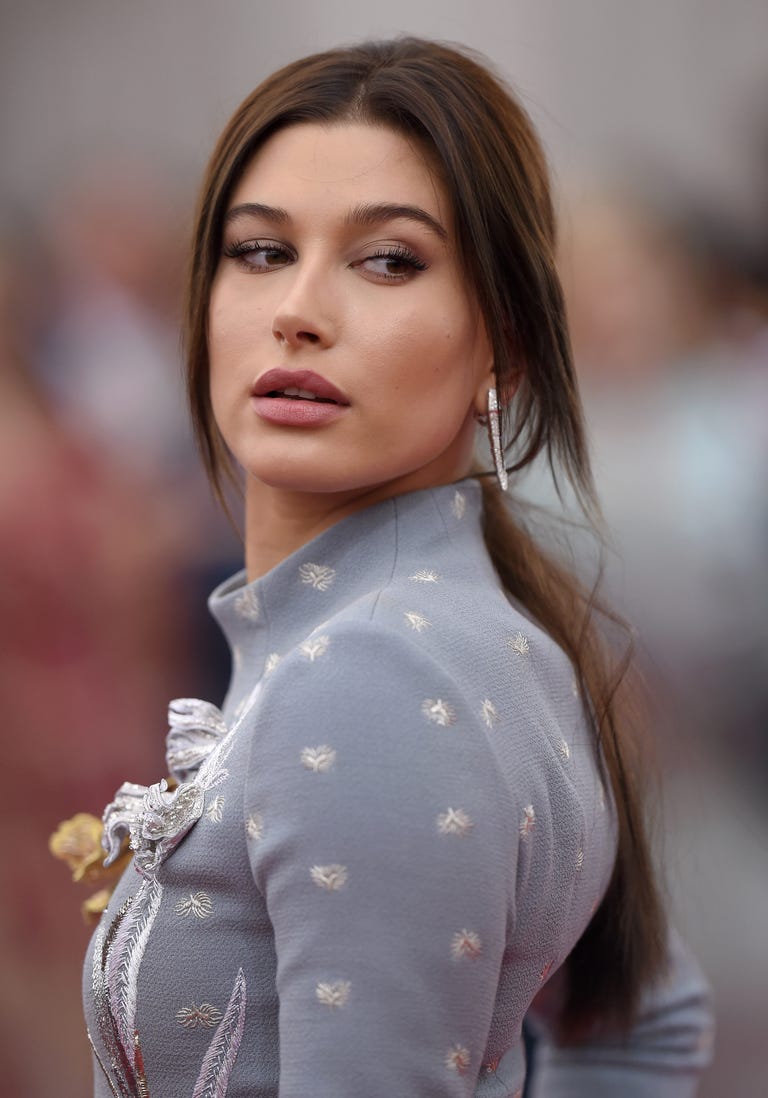
Photo: Getty Images
Bieber has worn dark hair before, with 2015 providing the closest comparison. She attended that year’s Met Gala with dark brunette hair, making her latest transformation a return to a color she has not worn at this depth for years.
The timing of the change is also notable because Bieber previously said she planned to avoid major hair changes for a period after giving birth. Her latest look marks a much more dramatic change from the lighter shades she had been wearing.
Her makeup was kept relatively soft against the darker hair. Makeup artist Mary Phillips used Rhode products alongside products from her own line, including blush and pink-toned lip products.
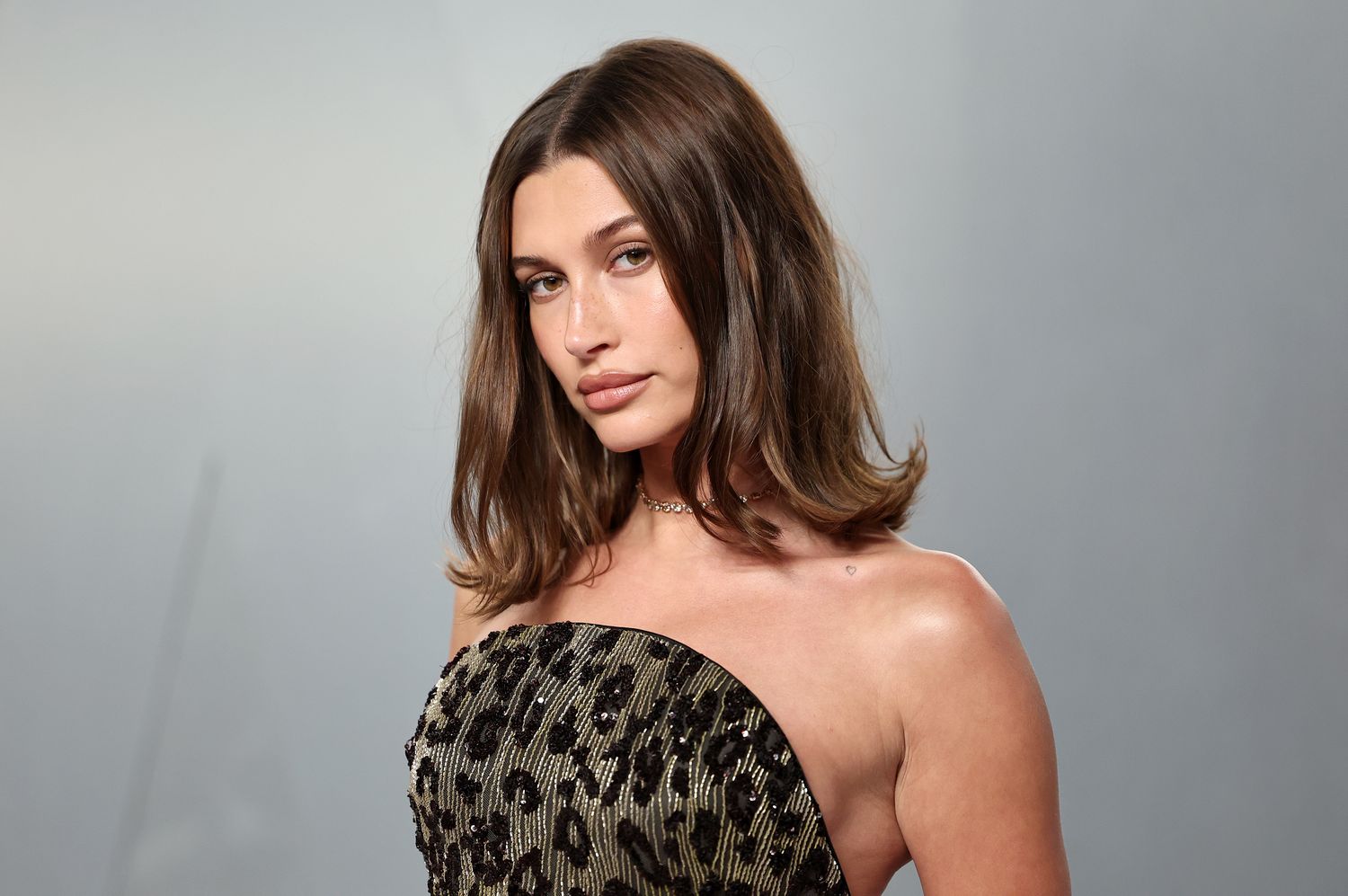
Photo: Getty Images
The new brunette also comes with considerably more length than some of Bieber’s recent shorter styles. Instead of the cropped cuts she has worn in the past, she is now wearing her hair long, layered and deep brown.
After experimenting with blonde, highlighted brunette and lighter brown shades, Bieber has returned to one of her darkest hair colors yet, giving her latest beauty look a distinctly different feel.

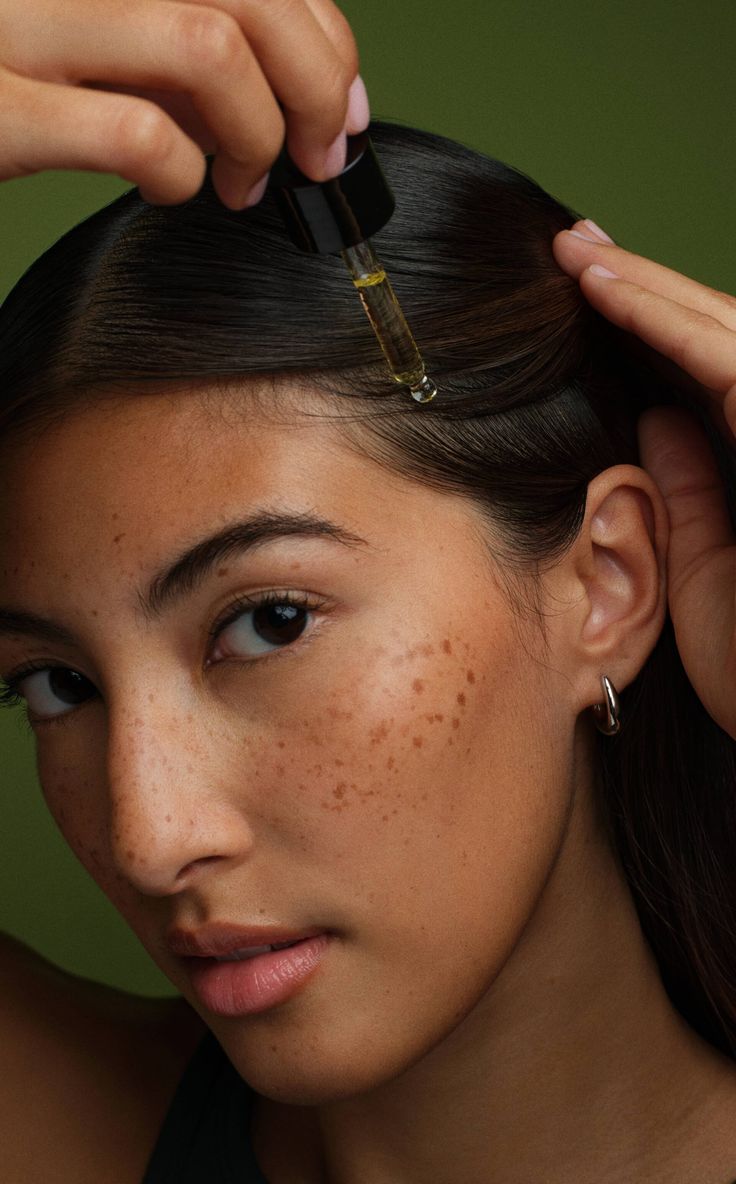
From dermatologist-recommended formulas to viral TikTok products, hair growth serums have become a popular part of the hair-care market. But behind the claims of thicker-looking hair and reduced shedding is a more nuanced reality: some formulas support scalp health, while others have stronger evidence for improving hair growth.
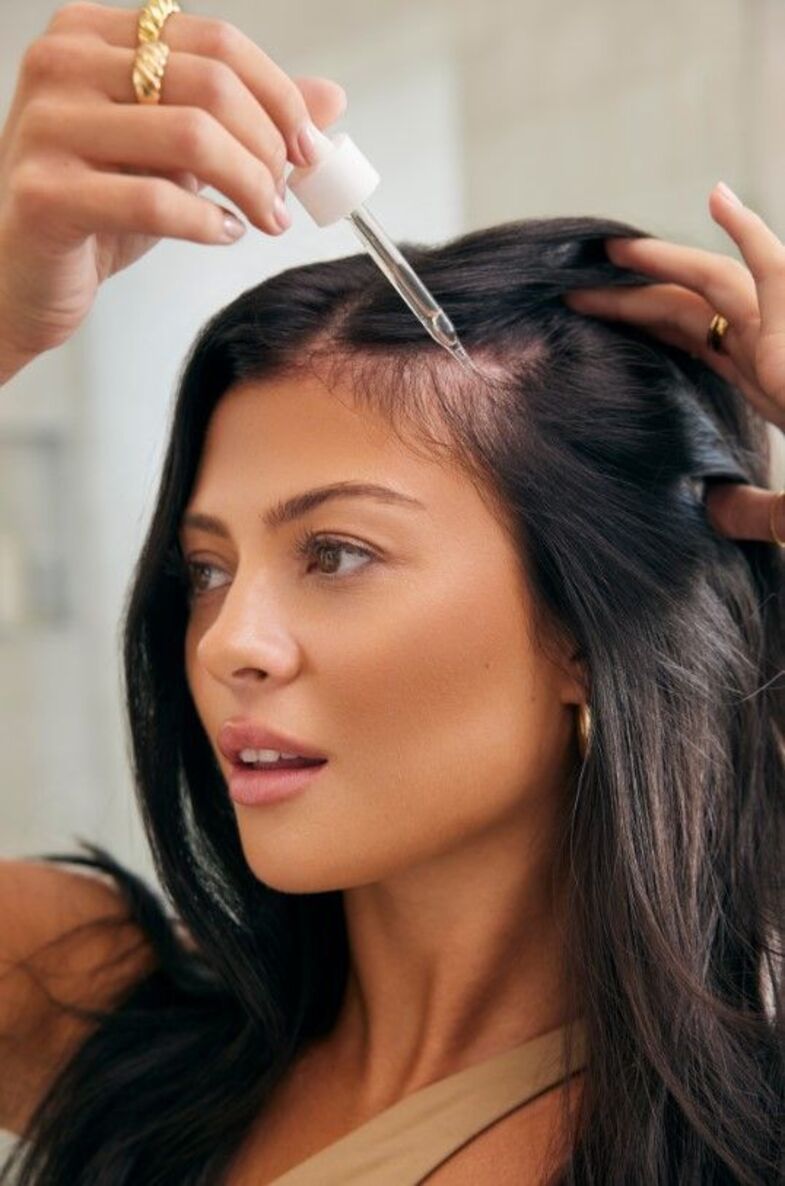
Photo: Pinterest/@UNITE hair
Not every serum is built to regrow hair, and those that are may not produce the same results for everyone. The outcome depends on several factors, including the ingredients in the formula, the underlying reason for hair thinning, and how consistently the product is used over time.
Scalp care is increasingly being approached with the same attention as skincare, with brands developing formulas focused on supporting hair follicle health, maintaining scalp health, and strengthening the hair. Still, experts emphasize that results are not immediate. Hair growth follows a slow biological process, and noticeable improvements often require consistent use over time.
Do Hair Growth Serums actually Work?
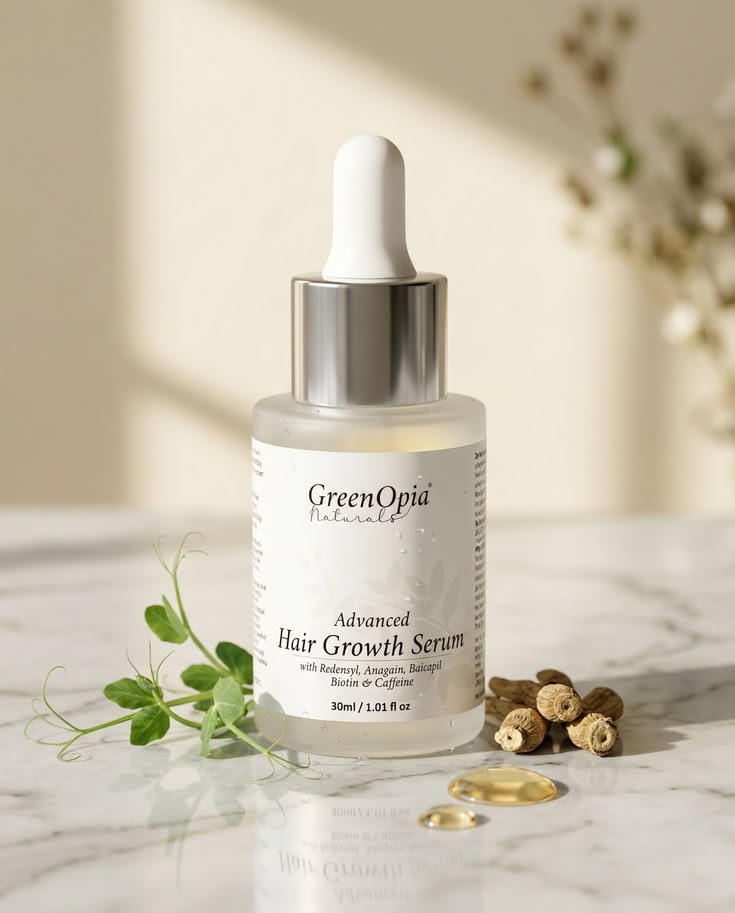
Photo: Pinterest/@ Greenopia
It depends on what you mean by “work.” Some serums can help maintain a healthy scalp by reducing dryness, excess oil, or irritation, strengthen the hair you already have, and reduce breakage. That can make hair look fuller. Only a handful of ingredients have solid clinical data for true regrowth.
Topical minoxidil is still the benchmark. “It’s the only ingredient with data showing true efficacy,” says Dr. Alexis Young, assistant clinical professor of dermatology at Columbia University Medical Center. It is thought to help keep follicles in the anagen phase, the active growth stage of the hair cycle, for longer. However, the process is gradual and requires consistent use. Once treatment is stopped, the improvements are often lost over time.
Beyond minoxidil, you’ll see peptides, caffeine, niacinamide, and botanical extracts. Peptides may help strengthen the hair at the root. Caffeine is included for its potential role in scalp circulation. Some plant-based compounds are being studied for their potential effects on hair follicles and growth.
These ingredients can help strengthen the hair shaft and reduce breakage. They are not, however, a replacement for medical treatment, and they won’t override genetic hair loss, hormonal shifts, or underlying health conditions.
Hair growth serums vs. hair oils
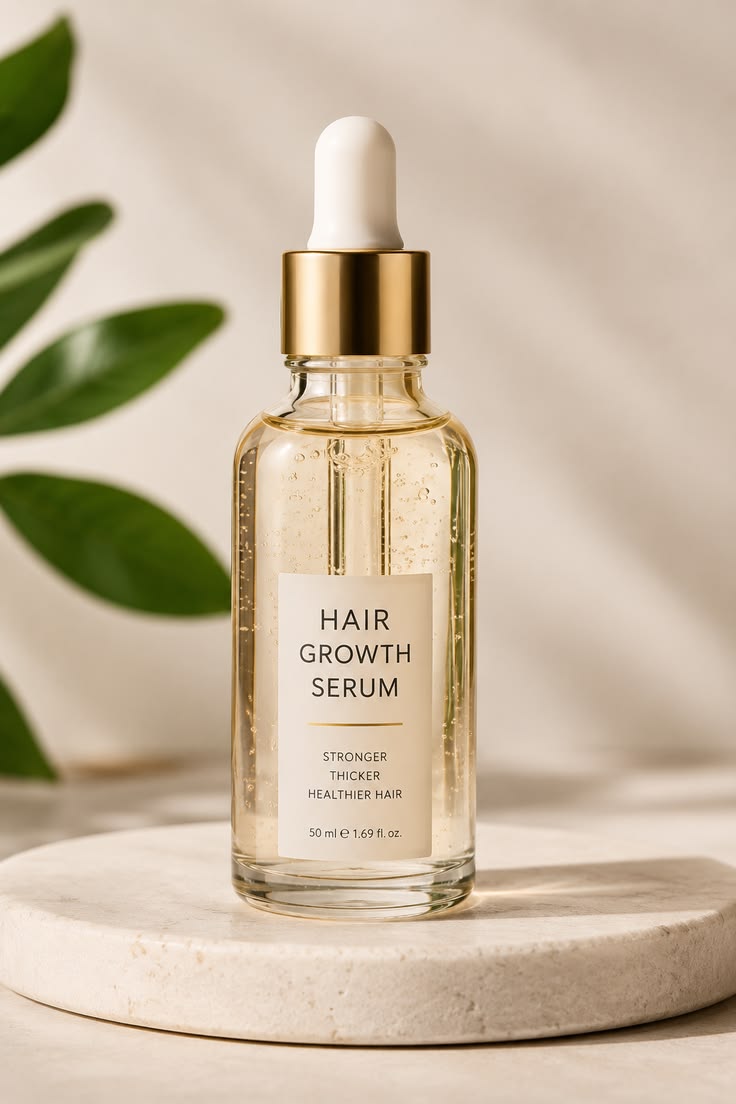
Photo: Pinterest/@ Danika Style
They are often grouped together, but they serve different purposes. Serums are lightweight and made to reach the scalp. The focus is on active ingredients that target the follicle, help reduce inflammation, or address thinning.
Oils can help smooth and protect the hair shaft, reducing dryness and breakage. They add shine, soften texture, and lock in moisture from mid-lengths to ends. They rarely contain the same clinically studied actives for growth.
How to choose the right serum
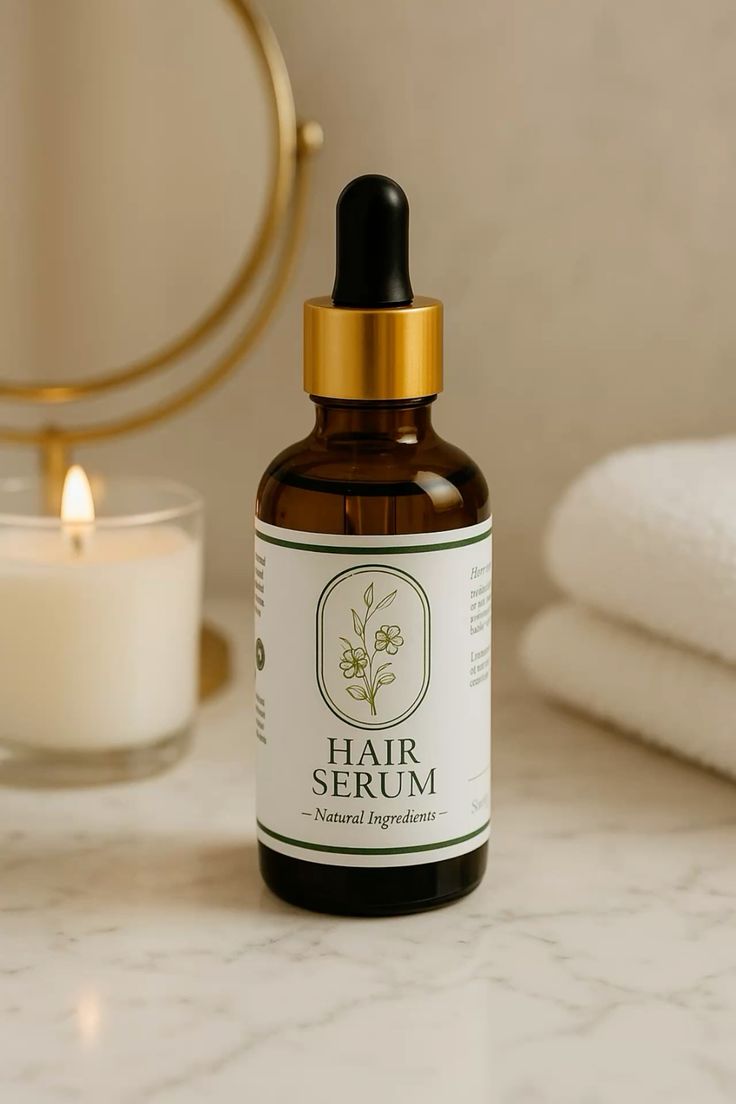
Photo: Pinterest/@ Danika Style
Start with your scalp. Fine or oily hair? Look for light, fast-absorbing formulas that won’t leave residue. If your hair is dry or textured, look for a serum that won’t leave the scalp feeling stripped, while using a separate conditioner or leave-in to provide slip and reduce friction. You may also want a lightweight option that helps maintain the scalp’s moisture barrier. For sensitive scalps, simpler ingredient lists are often a better choice, especially if fragrance or strong botanicals tend to cause irritation.
The cause matters too. Stress shedding, postpartum loss, breakage, and pattern thinning can each require a different treatment approach. If the issue has been persistent, a dermatologist can help you match the formula to the problem instead of guessing.
How to use them correctly
Because follicles live in the scalp, that’s where the product needs to go. Not on the strands. Part the hair in sections. Apply to areas of concern. Massage lightly. Some formulas call for damp hair, while others are designed for dry hair, so follow the label. More product won’t make hair grow faster. It may increase the risk of irritation and buildup. Consistency beats volume every time.
Read Next Post: Miley’s “Bass Persuades” Video Review: A Bold New Era for the Pop Star
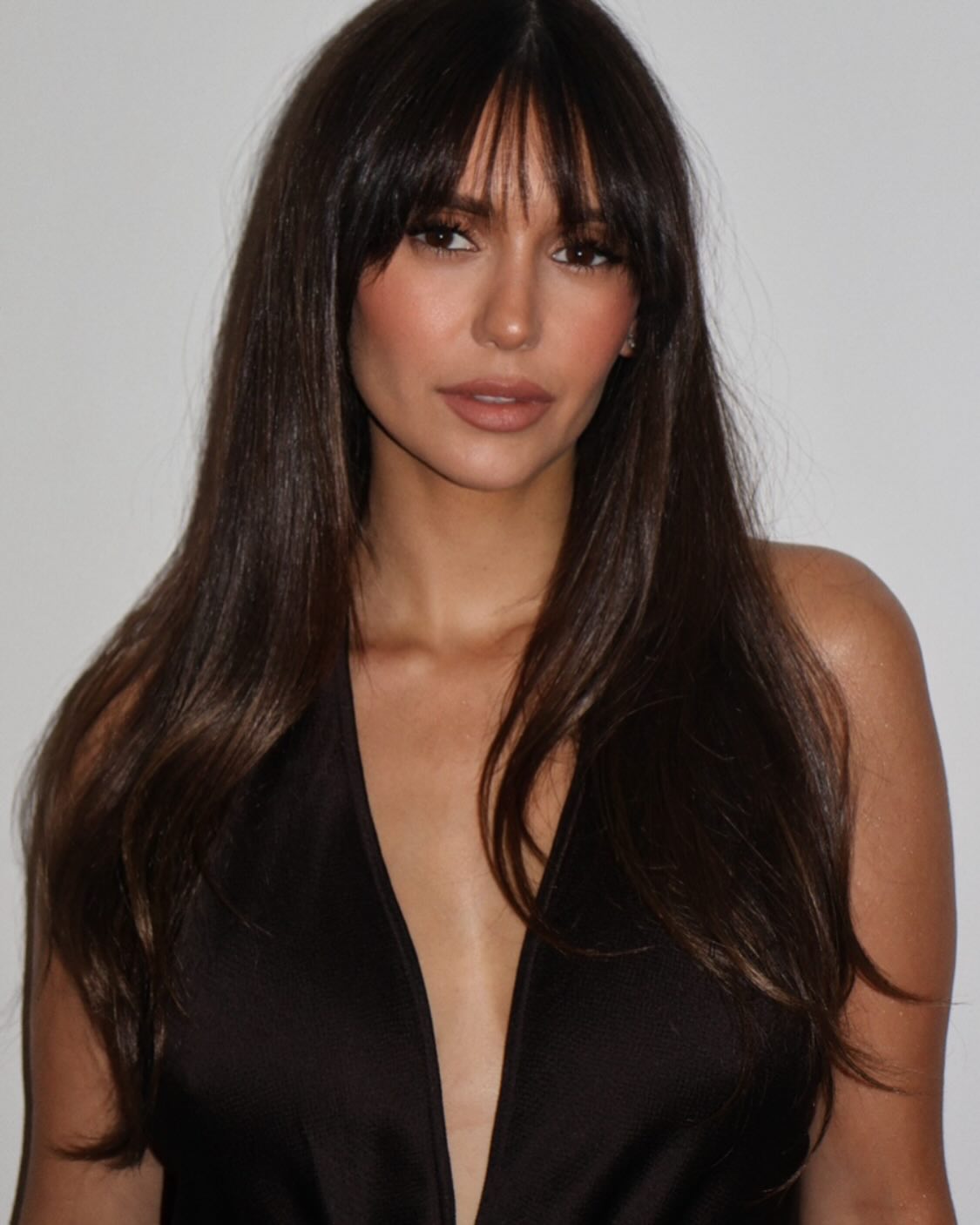
Nina Dobrev has traded her signature brunette hair for blonde waves as she steps into her latest film role. The actress revealed the transformation on Instagram on August 11, giving fans a first look at her appearance as Piper Bellinger in the upcoming romantic comedy It Happened One Summer.
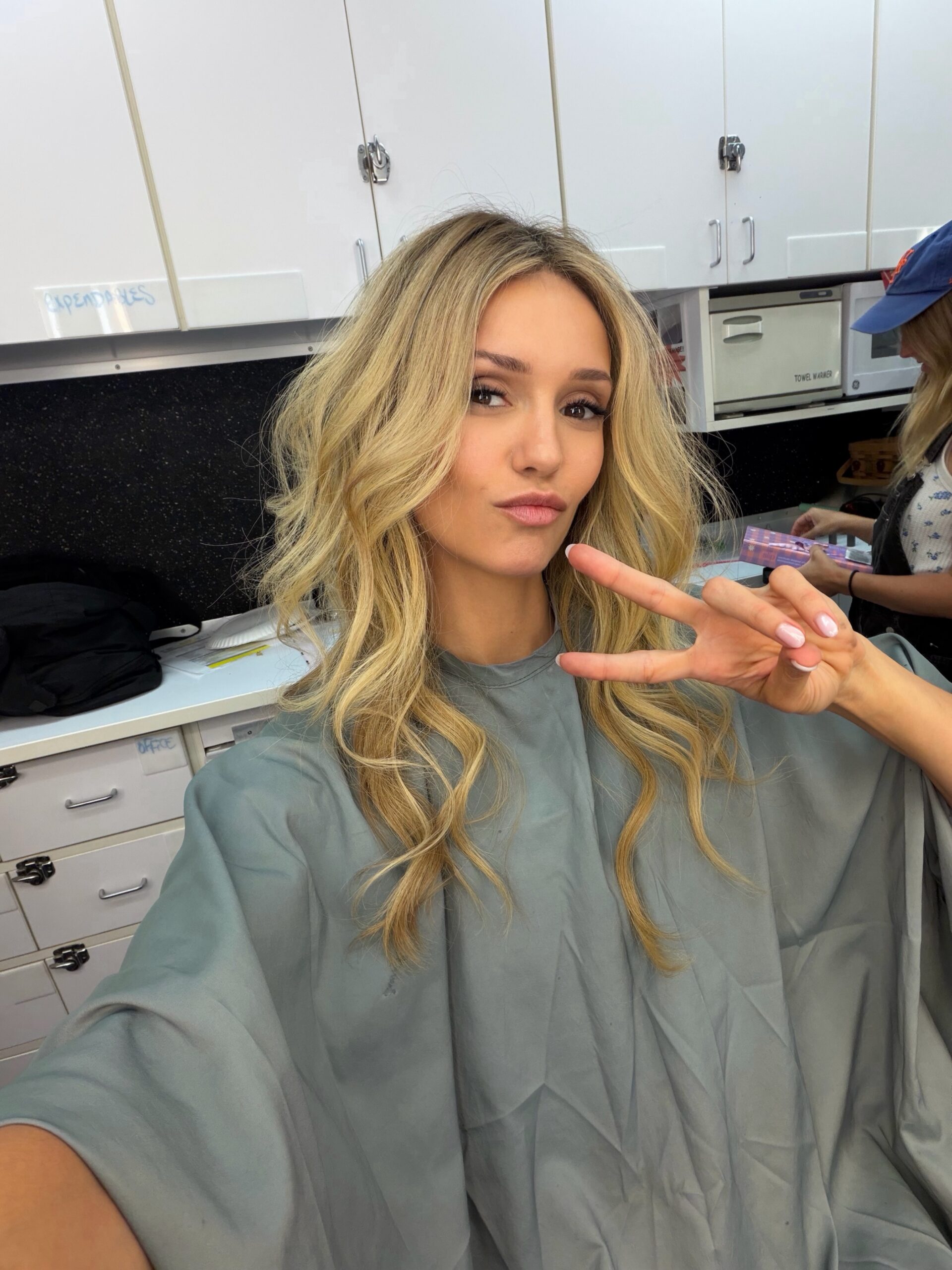
Photo: Instagram/@ninadobrev
Dobrev, 37, shared a carousel of behind-the-scenes photos from the set, captioning the post, “Meet Piper. Turns out blondes do have more fun.” In the first image, she appears seated in what looks like a hair and makeup chair, posing with the new blonde hairstyle and flashing a peace sign.
The blonde look is a departure from Dobrev’s usual brunette hair and reflects Piper Bellinger’s appearance in the film adaptation of Tessa Bailey’s bestselling novel.
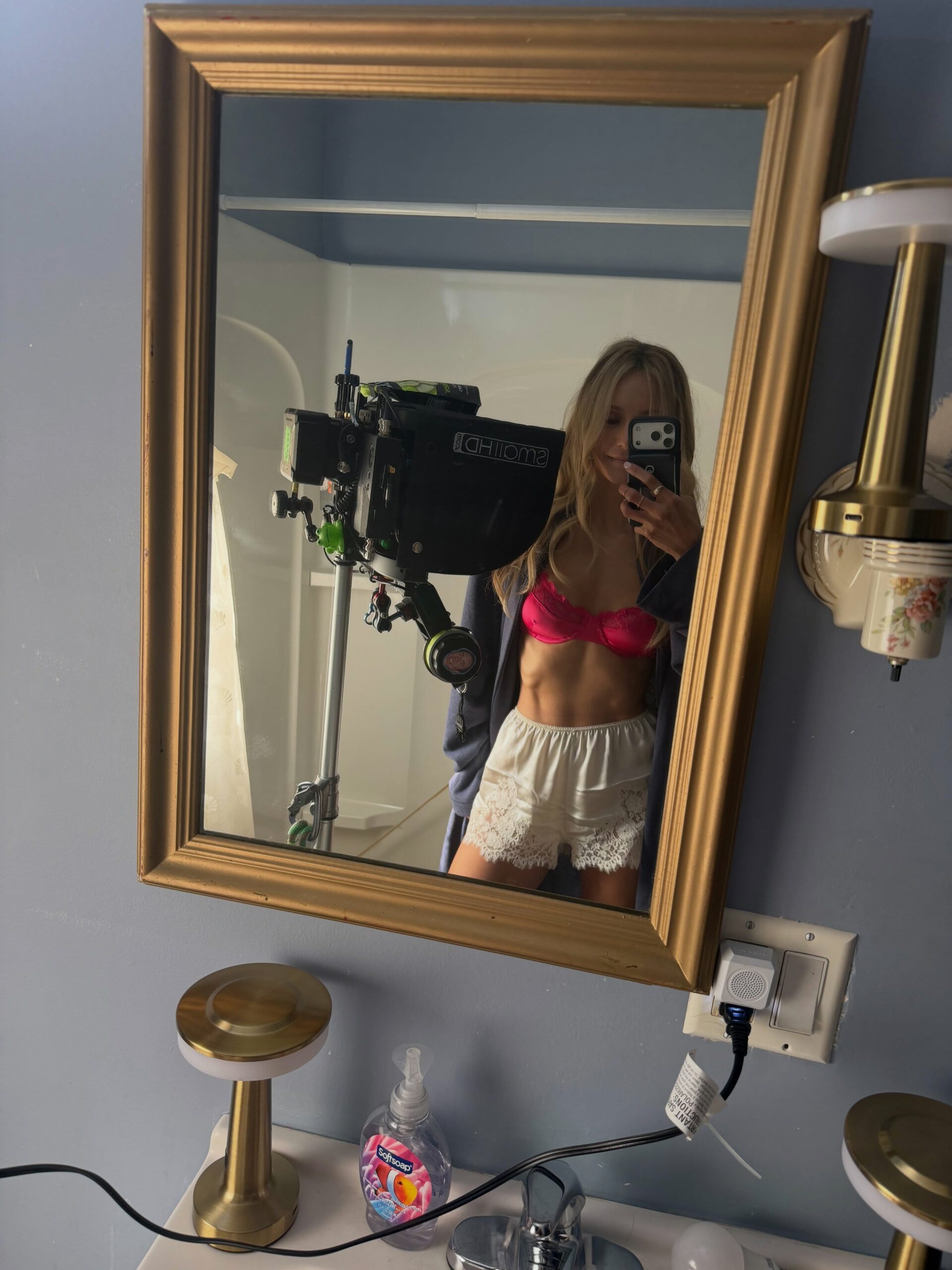
Photo: Instagram/@ninadobrev
Dobrev also acknowledged the change on her Instagram Stories, writing that she had never thought she would be blonde and adding, “Never say never.” At the time of the reveal, it was not clear whether the actress had dyed her own hair or was wearing a wig for the role.
The actress’s carousel offered more than a glimpse at the hair transformation. It included behind-the-scenes images from the production, including shots of her co-stars Gavin Leatherwood and Virginia Gardner on a monitor, as well as Tyler Hoechlin, who plays her character’s love interest, Brendan Taggart. Dobrev was also photographed holding a clapperboard and filming a bathroom scene in a hot pink bra and lace pajama shorts. Other images showed a lake, a police car and Dobrev wearing a blue patterned bandana while posing from the makeup chair.
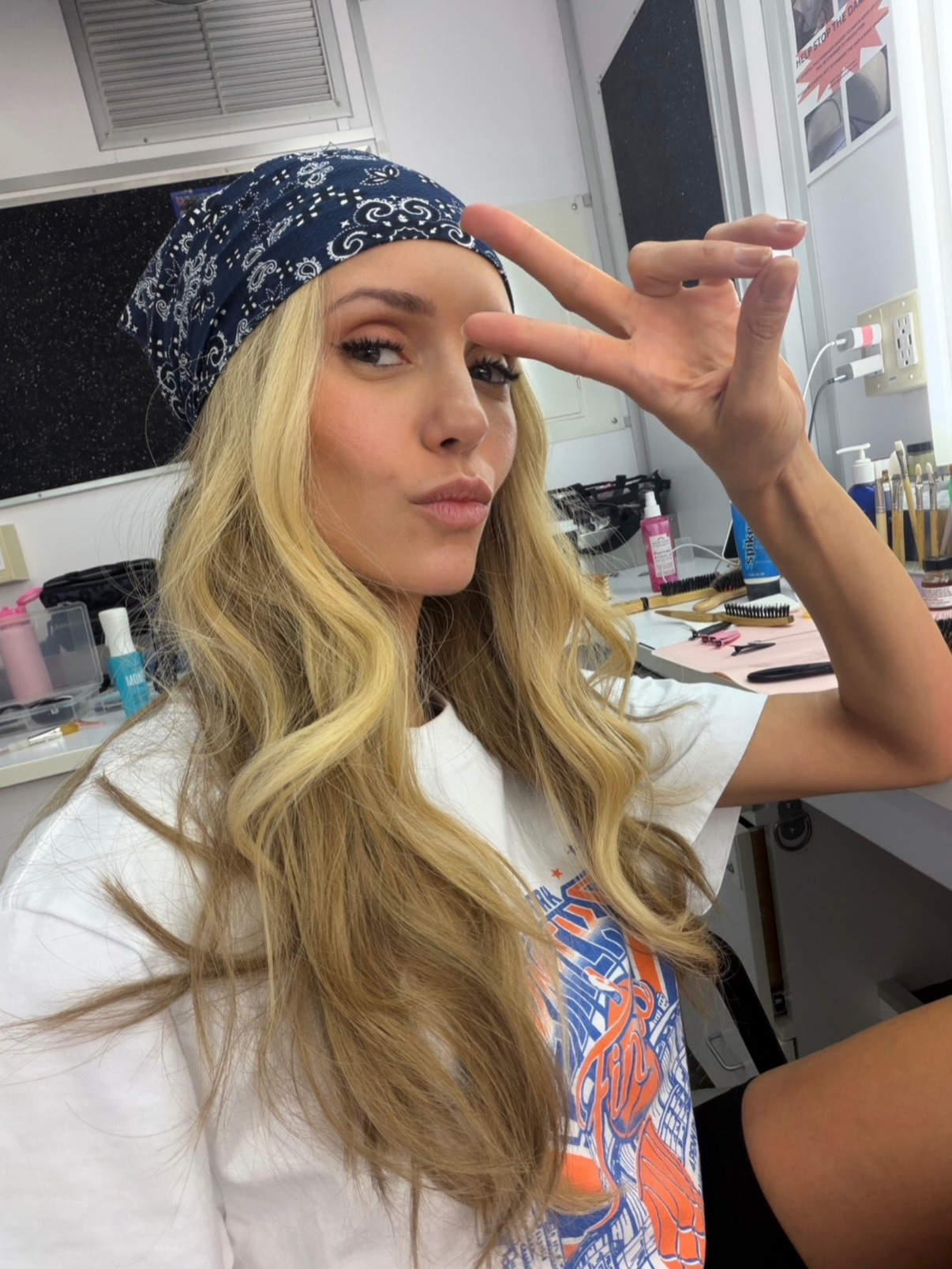
Photo: Instagram/@ninadobrev
It Happened One Summer is based on Bailey’s New York Times bestselling novel and is the first book in the author’s Bellinger Sisters series. The story centres on Piper, an L.A. “It Girl” whose privileged life changes after a viral incident gets her cancelled. Cut off from her wealthy family’s financial support, she is sent to a small Pacific Northwest fishing town, where she is expected to repair her late father’s dive bar.
There, Piper meets Brendan Taggart, a local sea captain who has little patience for influencers. Her time in Westport forces her to confront a life very different from the one she knew in Los Angeles.
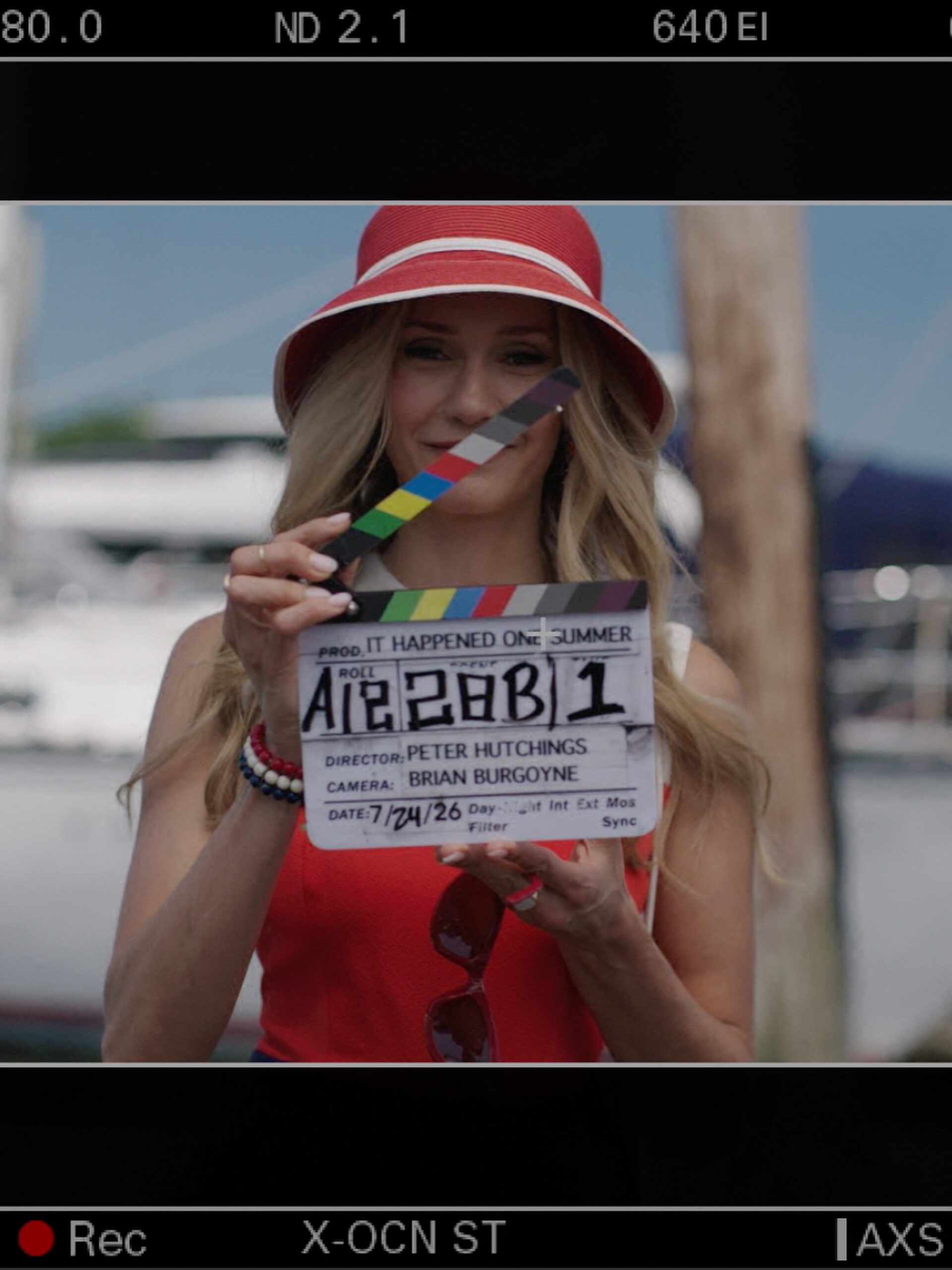
Photo: Instagram/@ninadobrev
Hoechlin plays Brendan, while Virginia Gardner stars as Piper’s sister. Leatherwood plays Fox Thornton, Brendan’s best friend and fellow fisherman. Peter Hutchings, who directed The Hating Game, is directing the adaptation.
Hutchings previously described Leatherwood as an important addition to the cast, saying he was the “missing piece.” He also praised the chemistry between the actors, particularly Dobrev and Gardner as the Bellinger sisters, alongside Hoechlin and Leatherwood.
It Happened One Summer has sold more than two million copies in the U.S. and is the first book in Bailey’s Bellinger Sisters series. The series continues with Hook, Line and Sinker, while a third book is expected in 2027.
Production on the film is currently taking place in New York.


Taylor Swift Announces New Single, ‘Patient Zero,’ Out This Week

Teyana Taylor Stars in Calvin Klein Bra Campaign

Donatella Versace Launches New Brand With Revolve Group

Willow Smith: The New Face For Mugler’s Alien Goddess Fragrance!

Rihanna and A$AP Rocky, so cozy while filming new music video at new york!

Amber Rose and Her New Face Tattoo!

Miley’s “Bass Persuades” Video Review: A Bold New Era for the Pop Star

Karol G and Bruno Mars’ ‘Still’ Review: Two Superstars, One Addictive Duet

Robert Pattinson and Suki Waterhouse Embrace Contrasting Couple Style at Venice Film Festival
-

 Netflix3 weeks ago
Psychological Thriller Movies to Watch on Netflix This September
-

 Fashion2 months ago
Bella Hadid Is Alo’s New Face
-

 Bags1 month ago
Dua Lipa Takes an Oversized Chanel Bag Through JFK
-
 Beauty2 months ago
Signs Your Skin Barrier May Be Damaged
-

 Tv Shows2 months ago
Khloé Kardashian’s ‘The Girls’ Sets Hulu Premiere Date, Drops First Trailer
-
 Beauty1 month ago
Nina Dobrev Goes Blonde for Her New Movie Role
-
 Music1 month ago
Madonna and Taylor Swift Lead 2026 MTV VMA Nominations
-

 Music2 months ago
AP Rocky Confirms Rihanna Is Back in the Studio Working on New Music