Connect with us

Skin Care

Do Wrinkle-Filler Serums Really Work? What Experts Say About Instant Line Smoothing

Published

on

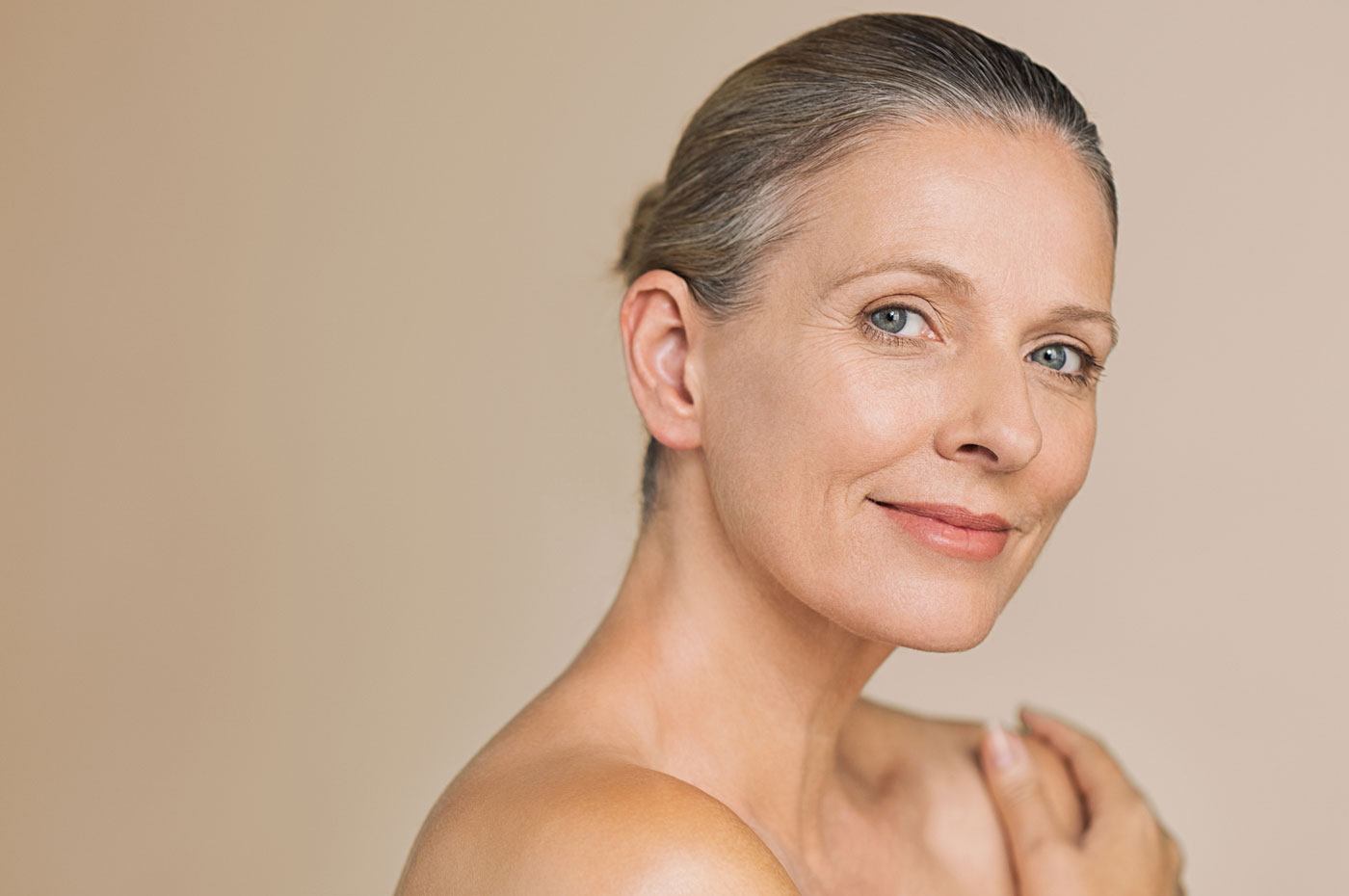
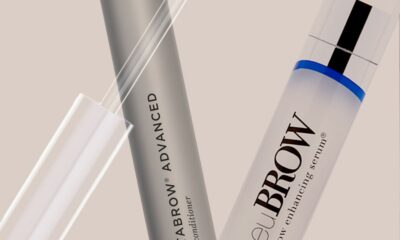
Wrinkle-filler serums are often grouped with long-term anti-aging products, but dermatologists draw a clear line between the two. These serums are not designed to repair skin or remove wrinkles.What they can do is temporarily reduce the appearance of fine lines by smoothing the skin’s surface.

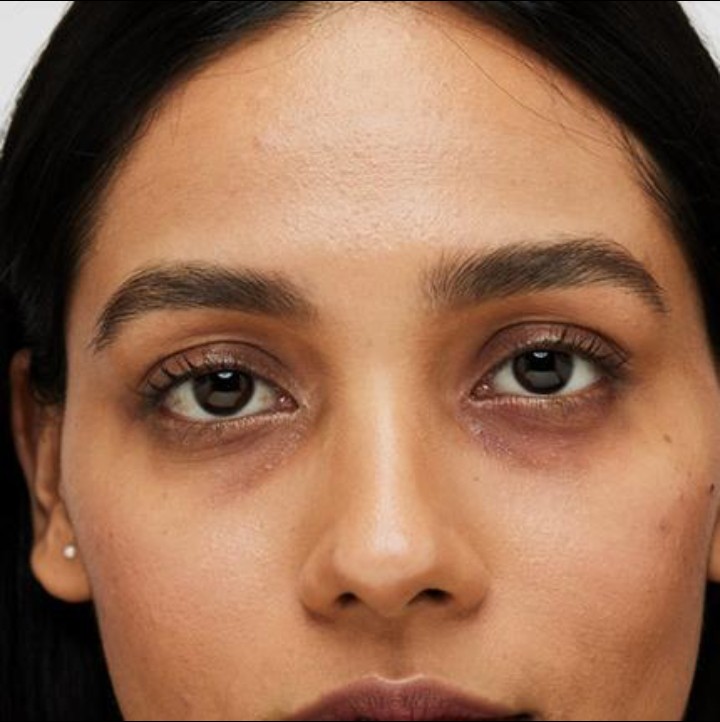
Fine lines become more noticeable when the outer layer of the skin is uneven. Studies shows that when shallow creases are smoothed, they cast less shadow and appear less defined. This change does not involve the deeper layers of the skin and does not require weeks of use. It occurs because the surface of the skin responds quickly to topical that products smooths the skin’s surface.

Photo credits – Google

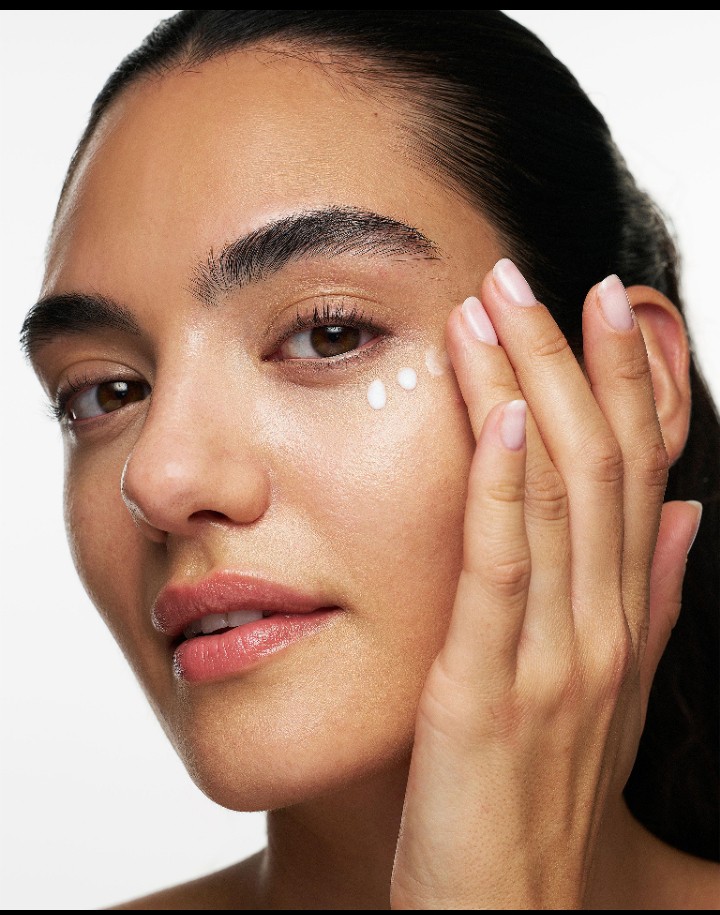
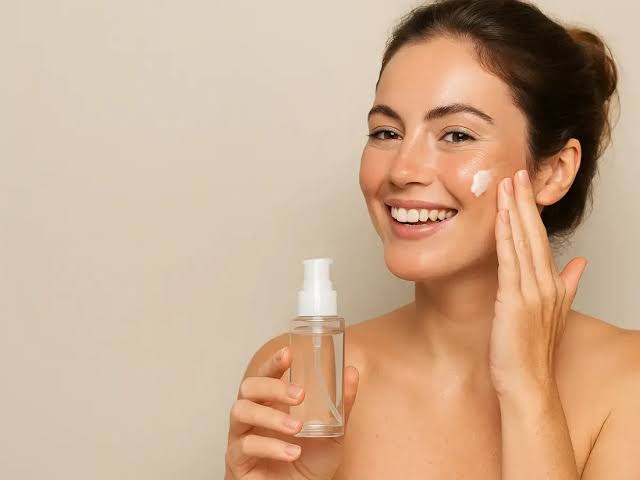
Plumping serums are formulated to act at this surface level. Cosmetic chemistry research confirms that many of these formulas contain ingredients that evenly fill fine lines temporarily. They do not penetrate deeply or alter collagen. Their effect is physical and short-term, producing a temporary smoothing effect.

Instrument-based cosmetic testing and dermatologist-reviewed trials show that smoother skin surfaces reduce shadow contrast in natural folds. When shadows are reduced, lines appear less deep. This optical effect is measurable and repeatable, which is why wrinkle-filler serums are commonly recommended for use before makeup application or for photos or events.
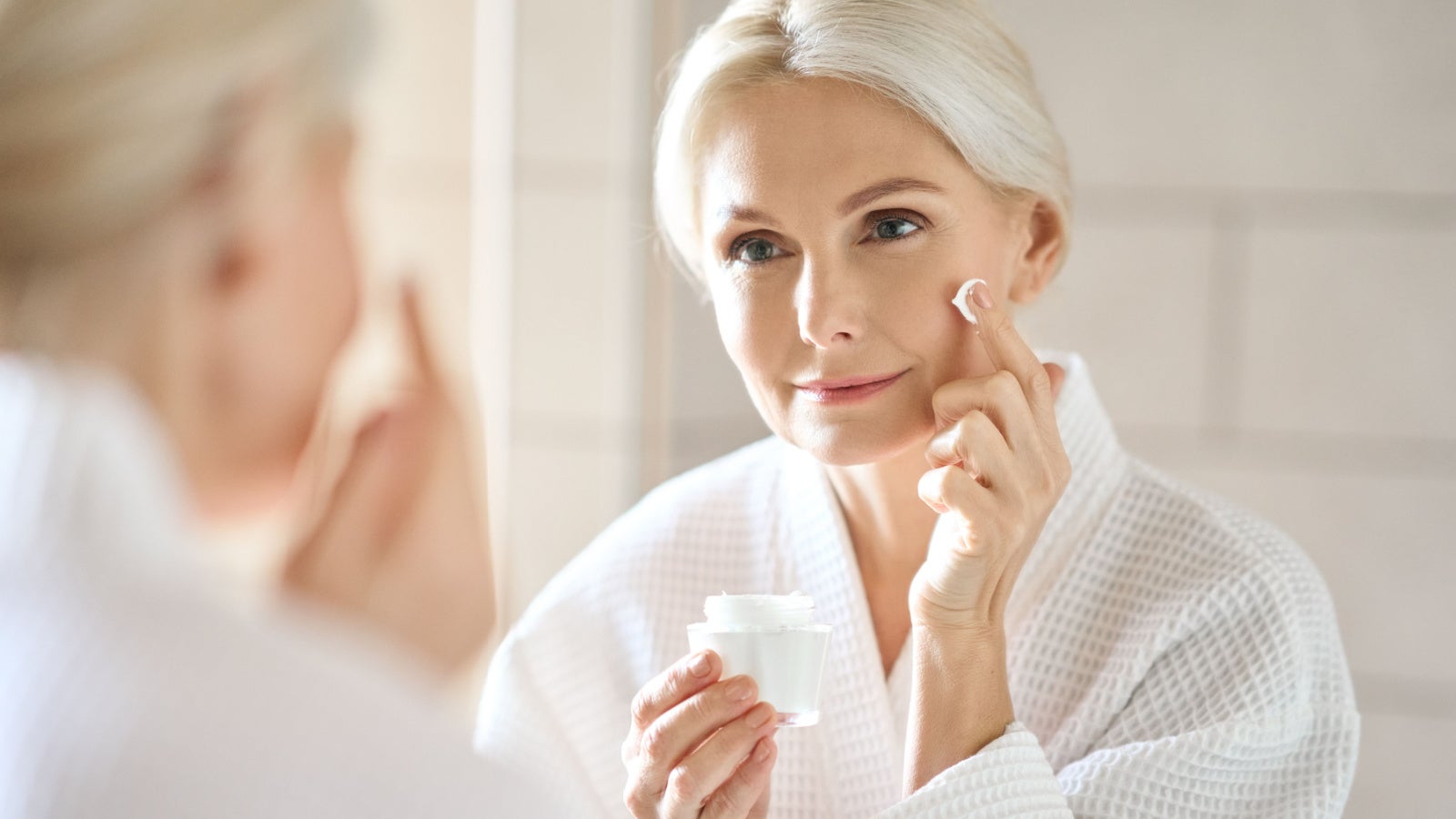
Photo credit – Google

Some line-softening formulas also contain skin proteins. Published dermatology research shows that peptides can support skin firmness and texture with continued use over several weeks. Experts are clear, however, that peptides are not responsible for the immediate smoothing effect seen after application. The instant improvement is limited to surface appearance and does not indicate structural skin change.

Dermatologists also emphasize the limits of these products. Wrinkle-filler serums do not permanently reduce wrinkles, it doesn’t stimulate immediate collagen production, and do not replace injectable fillers or in-office procedures. Collagen remodeling occurs over weeks to months and cannot be accelerated instantly through topical cosmetics.
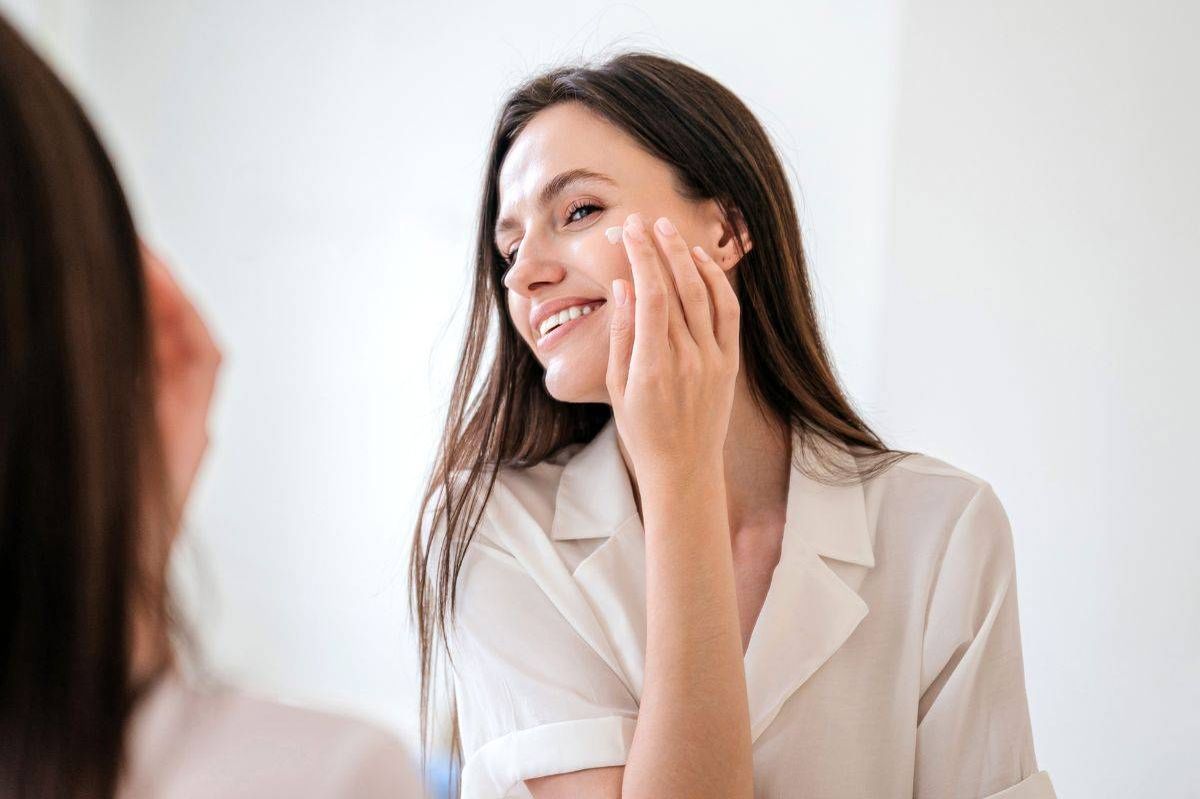
Photo credit – Google

Despite these limits, wrinkle-filler serums remain widely recommended because their effects are measurable. Skin surface imaging, texture analysis, and standardized photography consistently show smoother skin and reduced visibility of fine lines while applied.

The conclusion supported by research, wrinkle-filler serums can temporarily smooth fine lines by smoothing the skin’s surface and reducing shadow contrast. The smoothing effect only lasts while the product sits on the skin and fades after cleansing. These serums are regulated as cosmetic products, not medical treatments, and their performance is limited to time-limited changes in surface appearance rather than lasting skin repair.

Continue Reading
Click to comment

Leave a Reply

Your email address will not be published. Required fields are marked *

sixty five − = fifty seven
Powered by MathCaptcha

Skin Care

K-Beauty’s Cushion Sunscreen Trend Is Changing How We Reapply SPF

Published

on

Photo: Pinterest/@wgloblaconcept
For years, Korean beauty has reshaped the way people think about sunscreen, turning what was once a final, often-forgotten step into a product that feels as considered as the rest of a skincare routine. Lightweight textures, good finishes and skin-loving ingredients have already made Korean sunscreens favourites around the world. Now, a new format is attracting attention: the cushion sunscreen.

Photo: Pinterest/@huangbowen

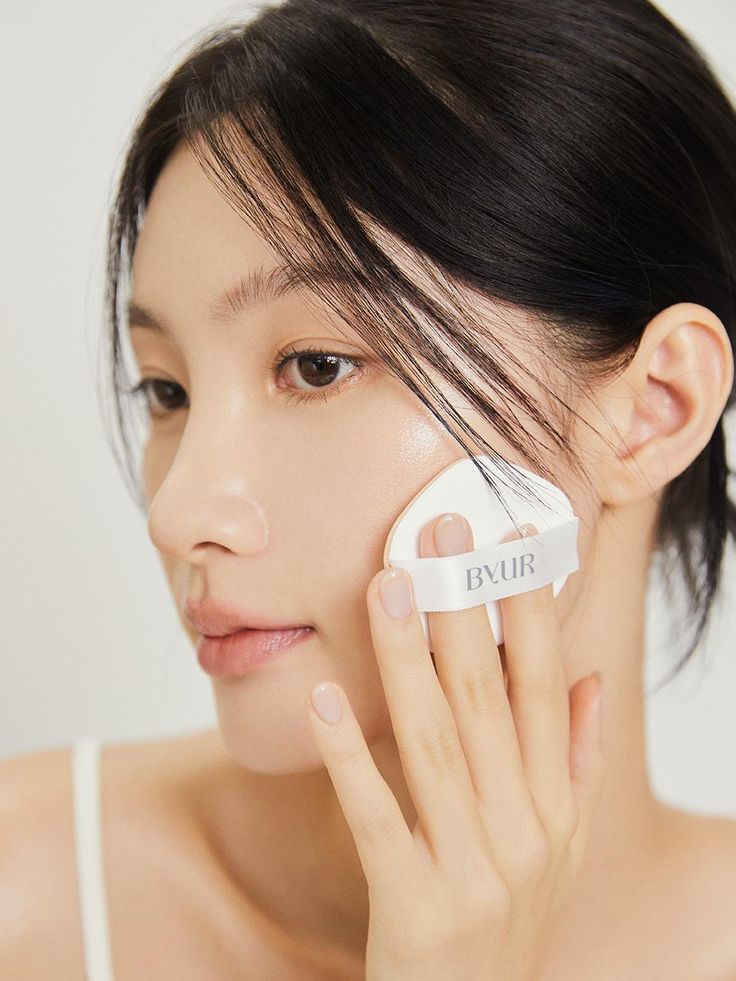
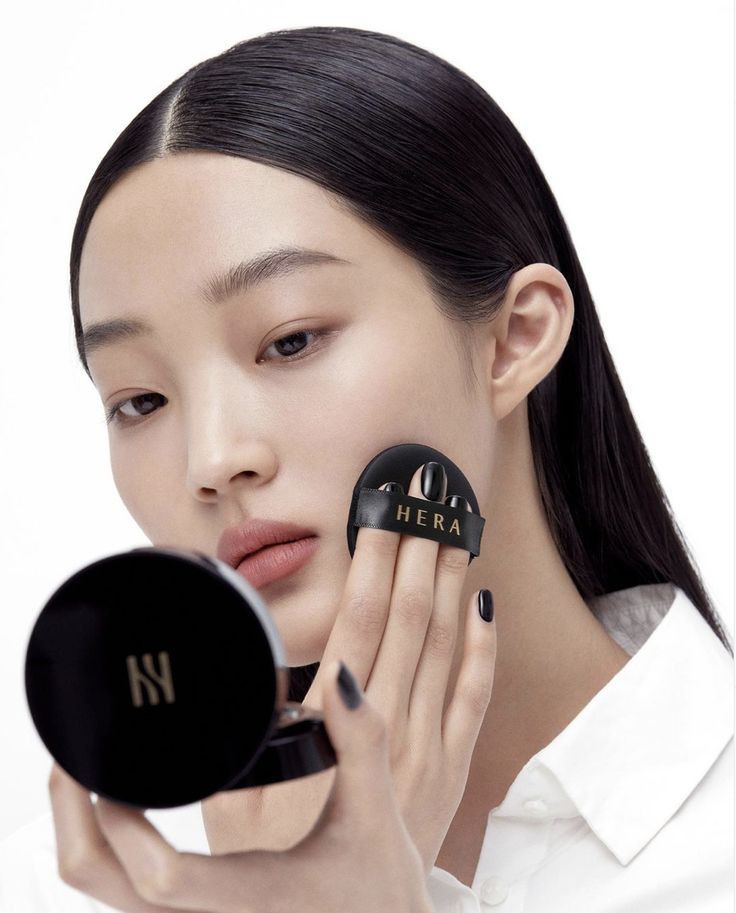
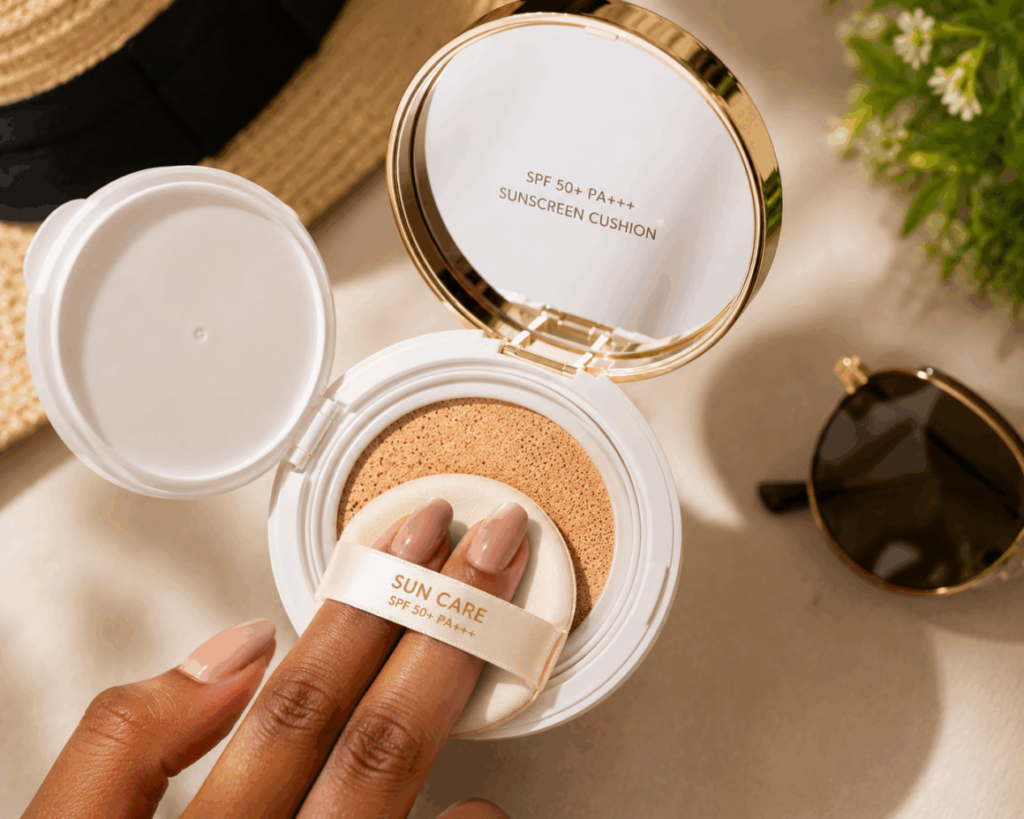
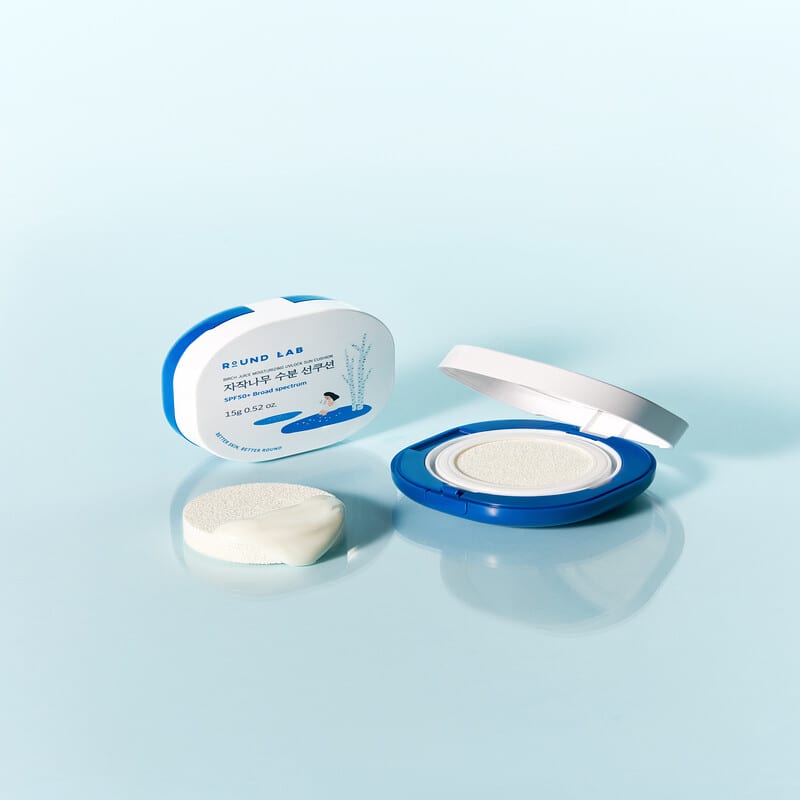
Inspired by the cushion foundation compact that helped define K-beauty globally, cushion sunscreen stores liquid SPF inside a sponge-soaked compact. Instead of squeezing sunscreen from a tube, users press a puff into the cushion before gently patting the product onto the skin. The result is an application method designed to be quick, portable and especially convenient for midday touch-ups.
Its growing appeal comes down to one challenge many sunscreen users know well: reapplication. Dermatologists continue to recommend reapplying sunscreen throughout the day, particularly after prolonged sun exposure. Yet applying a traditional lotion over makeup can be inconvenient, leading many people to skip the step altogether. Cushion sunscreens aim to solve that problem by making SPF easier to refresh without using your hands or significantly disturbing foundation, blush or other complexion products.

Photo: Instagram

The format also shows a broader shift taking place across the sunscreen industry. Rather than focusing solely on protection, brands are developing products that fit naturally into everyday beauty routines. Serum sunscreens, SPF mists, sticks, tinted formulas and makeup-friendly finishes have all gained momentum as consumers look for products that feel comfortable enough to wear consistently. Convenience has become just as important as the formula itself.
The growing interest in cushion sunscreens shows how beauty brands are rethinking SPF around convenience rather than reinventing sunscreen itself. While the formulas remain familiar, the compact design makes sunscreen easier to carry and encourages more consistent reapplication throughout the day.

Photo: Instagram

Luxury Korean beauty brands have long experimented with the format, with cushion sunscreens now gaining wider attention among beauty consumers. Sulwhasoo’s UV Wise On-the-Go Sun Cushion, for example, has been praised for its lightweight finish, travel-friendly design and ability to layer over makeup with minimal disruption.
Still, skincare professionals stress that cushion sunscreens should be viewed as a complement to, not a replacement for, a traditional morning sunscreen application. For adequate protection, sunscreen should be applied generously at the start of the day, with cushion formats serving as a practical option for reapplying SPF when you’re away from home or wearing makeup.

Photo: Pinterest/@wgloblaconcept

As K-beauty continues to influence the global beauty industry, cushion sunscreen represents a shift toward making daily skincare routines more practical. In a category where consistency is key, a format that makes SPF easier to carry and reapply could become just as influential as the formulas themselves.
Continue Reading

Skin Care

Oily Skin Can Still Be Dehydrated, Here’s How to Tell

Published

on

Photo: iStock
Oily skin often gets mistaken for skin that is “well-hydrated” simply because of the shine it carries. But that surface glow can be misleading. Beneath it, the skin can still be lacking water, and that imbalance often shows up in ways that are easy to miss at first.
When oil and dehydration coexist
Skin produces oil to protect itself. When the skin barrier feels compromised or the skin is not holding enough water, it sometimes compensates by producing more sebum. This is where confusion begins. The surface may appear glossy, yet the deeper layers are still not properly hydrated.
This combination is more common than expected, especially in environments with air conditioning, heat exposure, frequent cleansing, or the use of strong active ingredients.

Photo: iStock

The signs that go beyond shine
Dehydrated oily skin does not always feel dry in the traditional sense. Instead, the signs are more subtle:
• A tight sensation shortly after washing the face, even though the skin becomes oily again within hours
• Makeup sitting unevenly or separating around certain areas
• Skin that looks shiny but still feels slightly rough or textured when touched
• Increased sensitivity or mild stinging when applying certain skincare products
• A dull undertone beneath surface oiliness
These signs often appear together, rather than in isolation.
Why it happens
Several everyday habits quietly contribute to this imbalance:
Frequent stripping cleansers can remove too much from the skin barrier, prompting rebound oil production. Skipping moisturiser because the skin feels oily can leave the skin without enough water-binding support. Even overusing exfoliating acids or retinoids without adequate hydration can disrupt the skin’s ability to retain moisture.
Climate also plays a role. Hot, humid conditions can increase oil production, while indoor air conditioning can pull moisture from the skin, creating a cycle of surface oil and internal dehydration.

Photo: iStock

What the skin actually needs
The focus shifts from removing oil to restoring water balance. Lightweight hydrating layers tend to work better than heavy occlusive textures for this skin type.
Ingredients that support hydration without weight include humectants such as glycerin and hyaluronic acid, along with barrier-supporting elements like ceramides. These help the skin hold onto water while keeping the surface comfortable.
Moisturiser is still necessary, even when oil is present. The goal is not to eliminate shine, but to stabilise the skin so it does not overcompensate.
A better way
Oily skin that is also dehydrated responds best to consistency rather than aggressive correction. Gentle cleansing, steady hydration, and barrier care gradually reduce the need for excess oil production.
Over time, the skin begins to regulate itself more evenly  less reactive, less unpredictable, and far more stable in appearance and texture.
Continue Reading

Skin Care

How to Combine Active Ingredients Without Damaging Your Skin

Published

on

By

Photo: Pinterest

Skincare routines have become a mix of different products, with many people combining or layering different products at once for quicker results. The problem is, not every ingredient is meant to be used together, and in some cases, they can interfere with each other or trigger irritation.

Some ingredients, when used correctly, can work well together and even support each other. Hydrating agents like hyaluronic acid and calming ingredients such as niacinamide are often considered safe, helping to balance the skin. Vitamin C is also commonly paired with sunscreen during the day, as it helps support the skin against environmental stressors.

Photo: Pinterest

However, not all combinations are safe for layering, using Retinoids alongside strong exfoliating acids such as AHAs or BHAs can be harsh for the skin, especially for sensitive or compromised barriers. When combined incorrectly, these ingredients can lead to redness, dryness, and increased irritation.

To avoid this, timing and routine structure play an important role. Consider separating strong actives between morning and night or alternate their usage on different days rather than layering them all at once. Introducing new products slowly also helps the skin adjust without overwhelming it.

Photo: Pinterest

Not all skincare routines work for everyone, what suits one individual may not give the same results for another, which is why understanding your own skin is important. It also helps to pay attention to product ingredients and how they interact, so you can avoid combinations that may cancel each other out or cause irritation.

Photo: Pinterest

Reading labels and knowing what each active ingredient does can make a difference. At the end of the day, consistency matters more than complexity, and a simple routine that works for your skin is likely to give a better result than constantly switching or layering too many products at once.

Continue Reading

Trending