Connect with us

Skin Care

How to Combine Active Ingredients Without Damaging Your Skin

Published

on

Photo: Pinterest

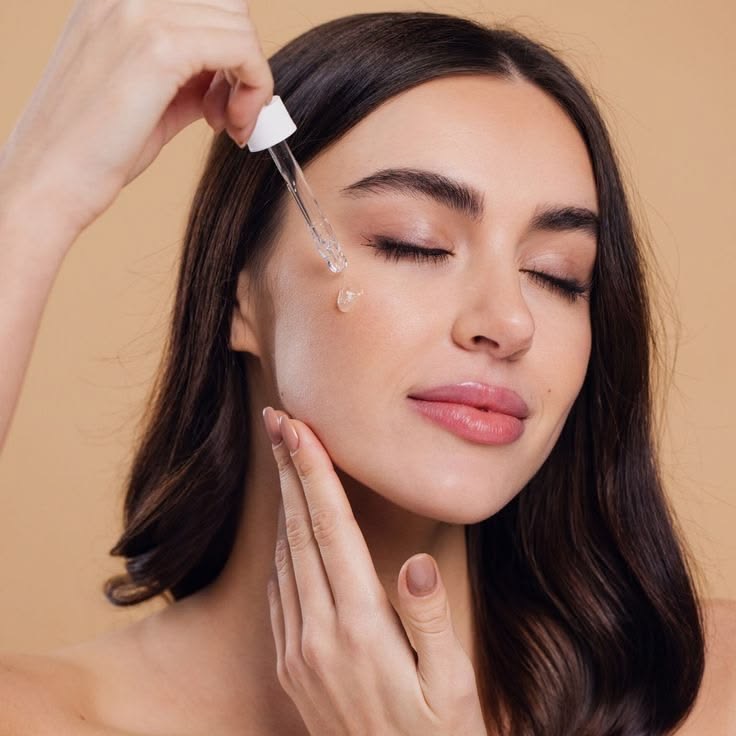
Skincare routines have become a mix of different products, with many people combining or layering different products at once for quicker results. The problem is, not every ingredient is meant to be used together, and in some cases, they can interfere with each other or trigger irritation.

Some ingredients, when used correctly, can work well together and even support each other. Hydrating agents like hyaluronic acid and calming ingredients such as niacinamide are often considered safe, helping to balance the skin. Vitamin C is also commonly paired with sunscreen during the day, as it helps support the skin against environmental stressors.
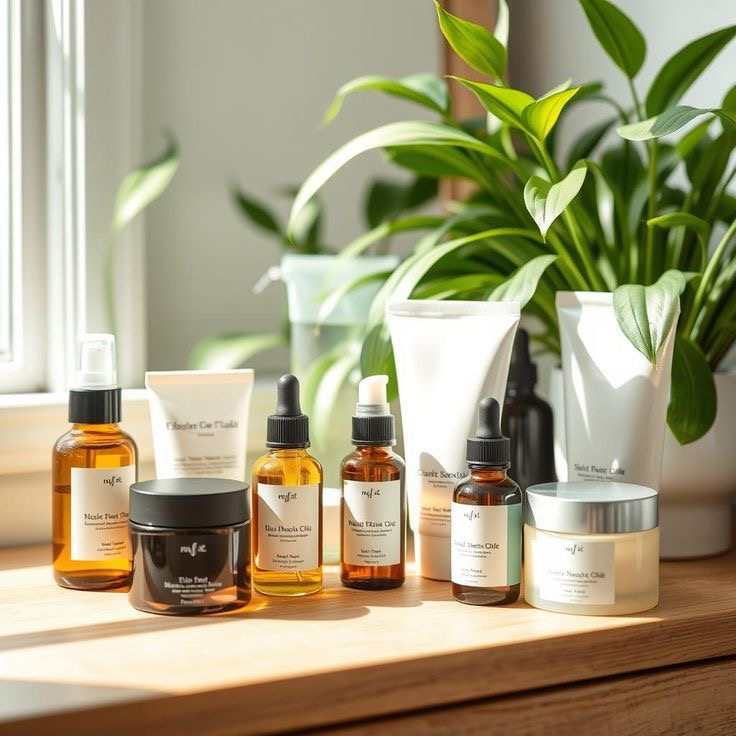
Photo: Pinterest

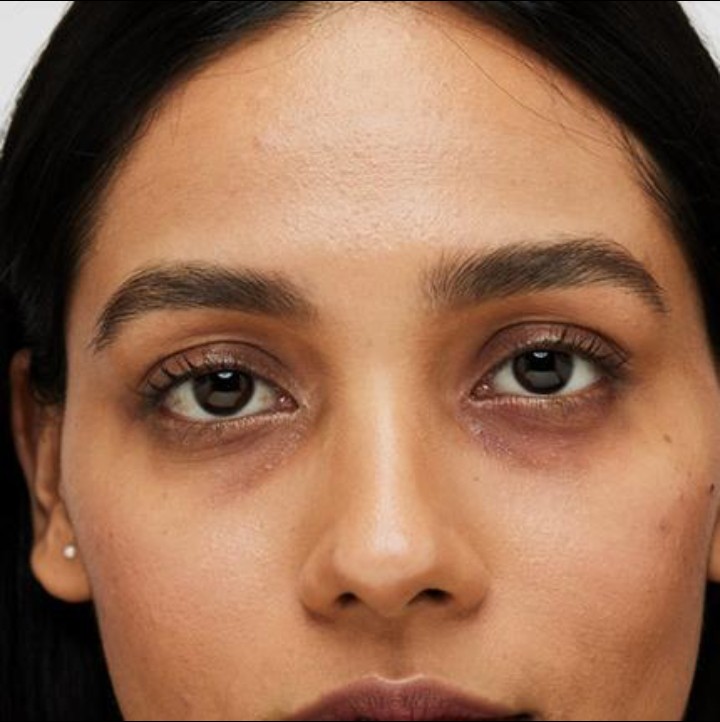
However, not all combinations are safe for layering, using Retinoids alongside strong exfoliating acids such as AHAs or BHAs can be harsh for the skin, especially for sensitive or compromised barriers. When combined incorrectly, these ingredients can lead to redness, dryness, and increased irritation.

To avoid this, timing and routine structure play an important role. Consider separating strong actives between morning and night or alternate their usage on different days rather than layering them all at once. Introducing new products slowly also helps the skin adjust without overwhelming it.
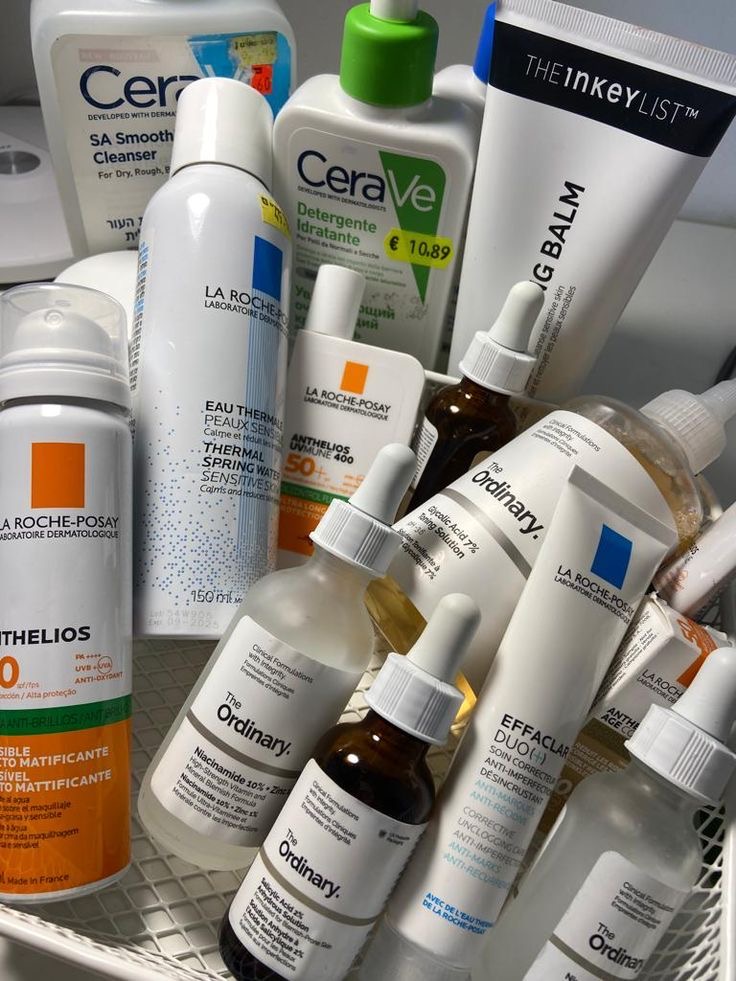
Photo: Pinterest

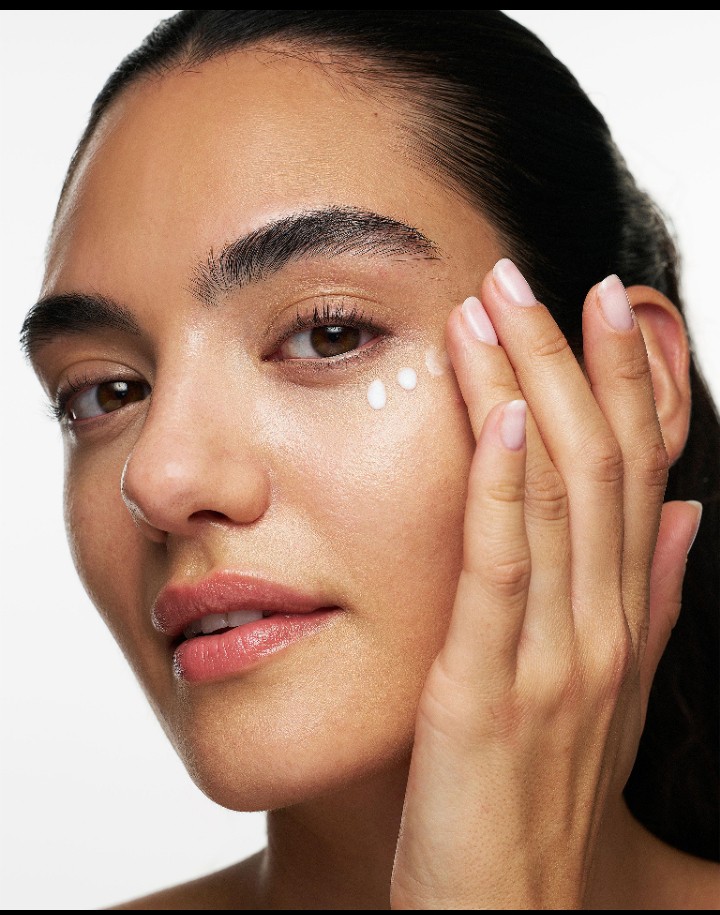
Not all skincare routines work for everyone, what suits one individual may not give the same results for another, which is why understanding your own skin is important. It also helps to pay attention to product ingredients and how they interact, so you can avoid combinations that may cancel each other out or cause irritation.
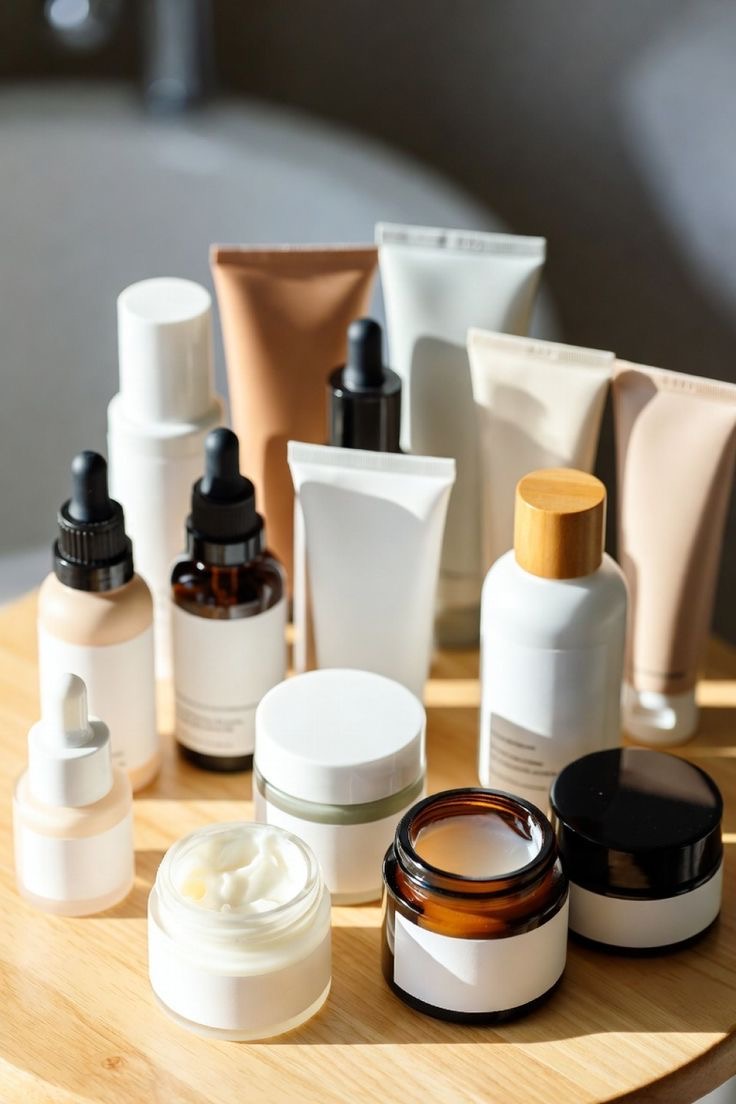
Photo: Pinterest

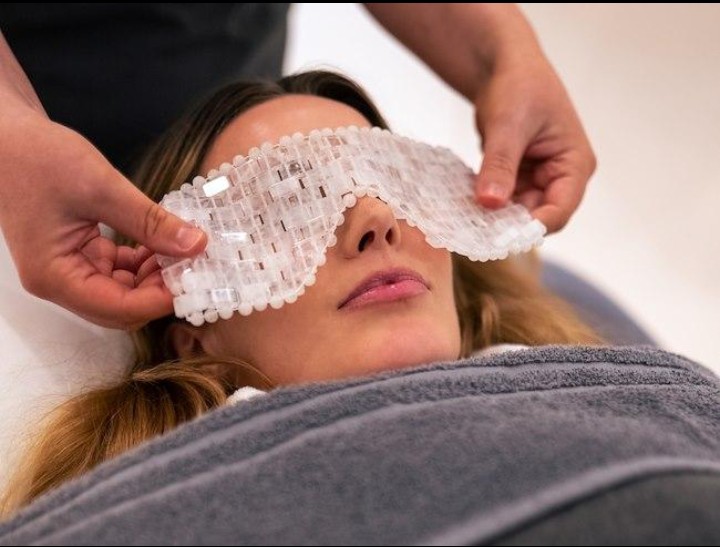
Reading labels and knowing what each active ingredient does can make a difference. At the end of the day, consistency matters more than complexity, and a simple routine that works for your skin is likely to give a better result than constantly switching or layering too many products at once.

Continue Reading
Click to comment

Leave a Reply

Your email address will not be published. Required fields are marked *

− 2 = four
Powered by MathCaptcha

Skin Care

How to Smooth and Even Out Your Skin Texture

Published

on

By

Photo: Pinterest

Achieving an even skin texture is a common goal, but maintaining it can be a hassle. Factors like dead skin buildup, dryness, acne, and exposure to sun, can affect how the skin looks and feels, thereby leaving it rough or uneven. But with the right skincare habits and consistency, a textured skin can be improved.

Major Causes of Textured Skin

Uneven skin texture can be caused by several factors. One of the most common is the buildup of dead skin cells, which can make the skin feel rough if not removed regularly. Acne and clogged pores can also contribute, leaving behind bumps and scars that affect the skin’s surface. Sun damage is another major factor, as it can weaken the skin and make texture more noticeable. Also, using the wrong skincare products or ingredients that irritate the skin can lead to uneven patches.

How To Even Out Your Skin

Photo: Pinterest

Exfoliate Regularly

Exfoliation is a popular solution to most skin related issues. Dead skin cells can build up on the surface, making the skin appear dull and uneven. Using a gentle exfoliant helps remove this buildup, allowing smoother skin to come through. Chemical exfoliants such as AHAs and BHAs are often preferred, as they work without harsh scrubbing that can irritate the skin.

Keep Your Skin Hydrated

Hydration plays an important role in maintaining smooth skin. When the skin is dry, it can cause rough patches. Using a good moisturizer helps support the skin barrier and improves overall texture. Ingredients like hyaluronic acid can help attract moisture to the skin.

Photo: Getty Images

Use Targeted Treatments

Certain skincare ingredients can help improve skin texture when used consistently. Retinol is used to support cell turnover, which can help smooth the skin. Niacinamide is another ingredient that can help with the appearance of pores and improve uneven areas. These treatments take time to work, so consistency is important.

Wear Sunscreen Daily

Sun exposure can worsen uneven skin texture by damaging the skin over time. Wearing sunscreen daily helps protect the skin and prevents further damage. Even when the weather is cloudy, sunscreen remains an important step in maintaining healthier-looking skin.

Be Consistent With Your Routine

Improving skin texture does not happen overnight, as the skin needs time to heal. Sticking to a simple and consistent routine is more effective than frequently changing products. It is also important to avoid overusing active ingredients especially if you are someone with a sensitive skin, as this can cause irritation.

Caption: Pinterest

If you’ve tried different skincare methods and still struggle with uneven texture, it is best to seek professional help. Treatments like laser resurfacing can help address more stubborn skin concerns, with different types of lasers used depending on the skin’s needs.

Continue Reading

Skin Care

Do Wrinkle-Filler Serums Really Work? What Experts Say About Instant Line Smoothing

Published

on

Wrinkle-filler serums are often grouped with long-term anti-aging products, but dermatologists draw a clear line between the two. These serums are not designed to repair skin or remove wrinkles.What they can do is temporarily reduce the appearance of fine lines by smoothing the skin’s surface.

Fine lines become more noticeable when the outer layer of the skin is uneven. Studies shows that when shallow creases are smoothed, they cast less shadow and appear less defined. This change does not involve the deeper layers of the skin and does not require weeks of use. It occurs because the surface of the skin responds quickly to topical that products smooths the skin’s surface.

Photo credits – Google

Plumping serums are formulated to act at this surface level. Cosmetic chemistry research confirms that many of these formulas contain ingredients that evenly fill fine lines temporarily. They do not penetrate deeply or alter collagen. Their effect is physical and short-term, producing a temporary smoothing effect.

Instrument-based cosmetic testing and dermatologist-reviewed trials show that smoother skin surfaces reduce shadow contrast in natural folds. When shadows are reduced, lines appear less deep. This optical effect is measurable and repeatable, which is why wrinkle-filler serums are commonly recommended for use before makeup application or for photos or events.

Photo credit – Google

Some line-softening formulas also contain skin proteins. Published dermatology research shows that peptides can support skin firmness and texture with continued use over several weeks. Experts are clear, however, that peptides are not responsible for the immediate smoothing effect seen after application. The instant improvement is limited to surface appearance and does not indicate structural skin change.

Dermatologists also emphasize the limits of these products. Wrinkle-filler serums do not permanently reduce wrinkles, it doesn’t stimulate immediate collagen production, and do not replace injectable fillers or in-office procedures. Collagen remodeling occurs over weeks to months and cannot be accelerated instantly through topical cosmetics.

Photo credit – Google

Despite these limits, wrinkle-filler serums remain widely recommended because their effects are measurable. Skin surface imaging, texture analysis, and standardized photography consistently show smoother skin and reduced visibility of fine lines while applied.

The conclusion supported by research, wrinkle-filler serums can temporarily smooth fine lines by smoothing the skin’s surface and reducing shadow contrast. The smoothing effect only lasts while the product sits on the skin and fades after cleansing. These serums are regulated as cosmetic products, not medical treatments, and their performance is limited to time-limited changes in surface appearance rather than lasting skin repair.

Continue Reading

Trending