
Wellness
6 Foods That Naturally Cleanse Your Liver for a Healthy Detox



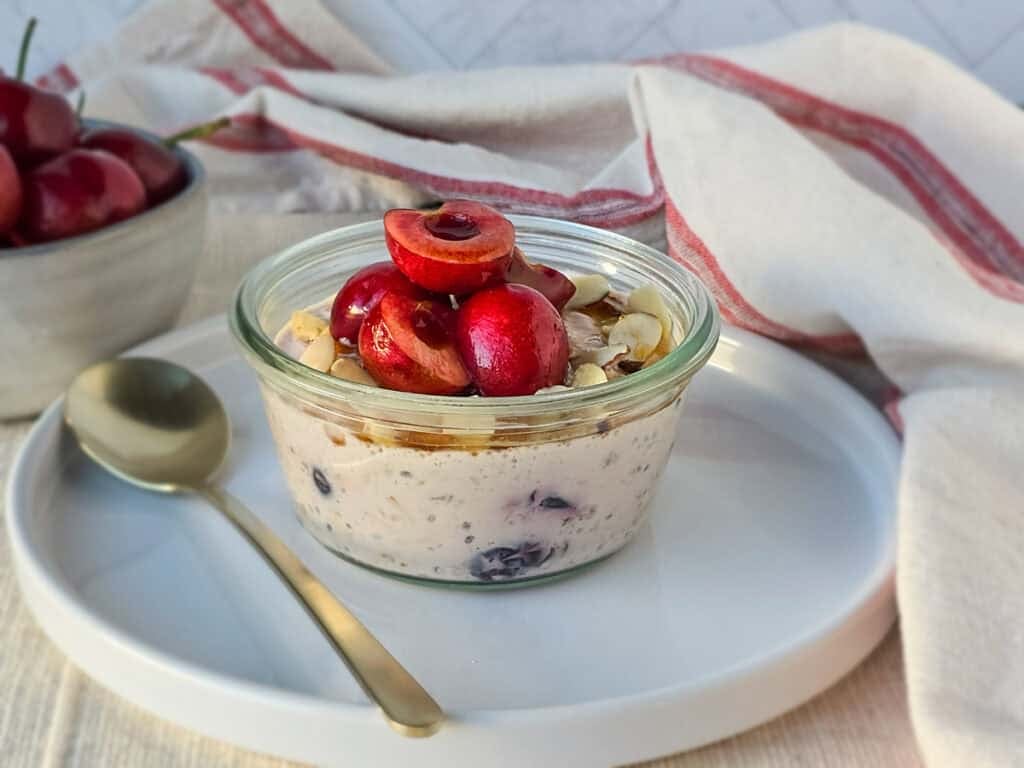
What you eat before bed can affect how you sleep. Some foods contain nutrients that support the body’s natural sleep-wake cycle, including tryptophan, melatonin, magnesium, vitamin B6, omega-3 fatty acids and fiber. Choosing them regularly may help support better sleep, particularly when they are part of a balanced diet.
The key is not to look for one food that will instantly make you sleepy. Instead, focus on foods that provide protein, fiber and healthy fats, while being mindful of what you eat and drink in the hours before bedtime.
Here are eight foods that may help support better sleep.
Almonds
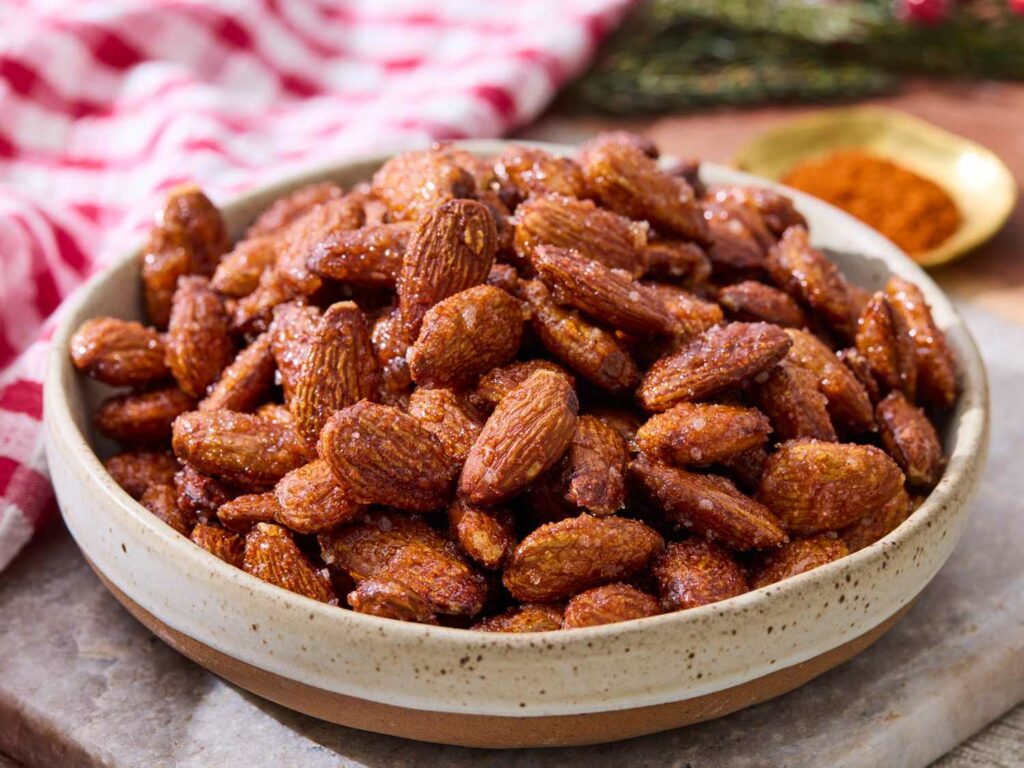
Photo: Allrecipes
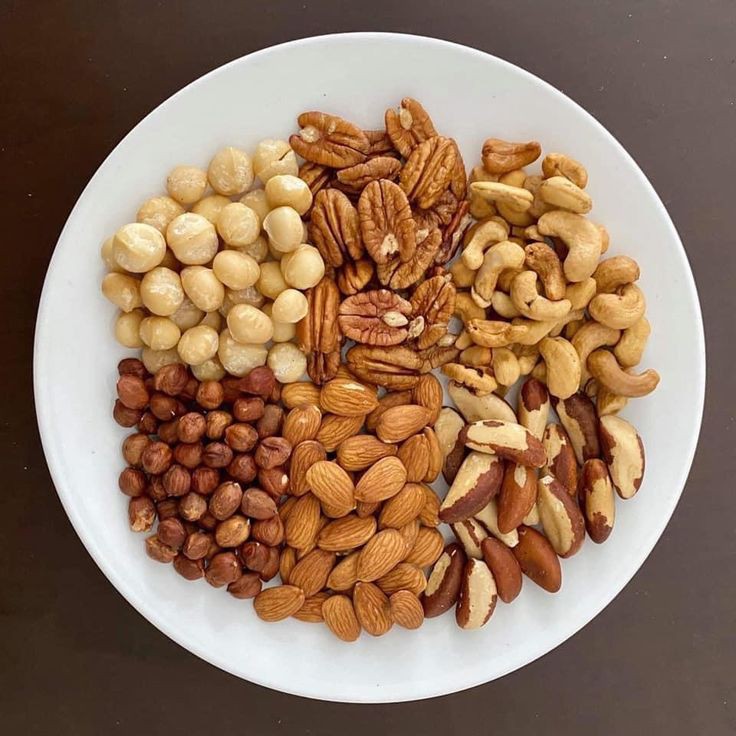
Almonds are a good source of protein, healthy fats, fiber, magnesium and tryptophan. Magnesium is an important mineral for the body and may help support relaxation, while tryptophan is an amino acid the body uses to produce serotonin and melatonin.
Their combination of protein, fat and fiber can also help keep blood sugar more stable, making a small serving of almonds a practical evening snack.
Tart Cherries
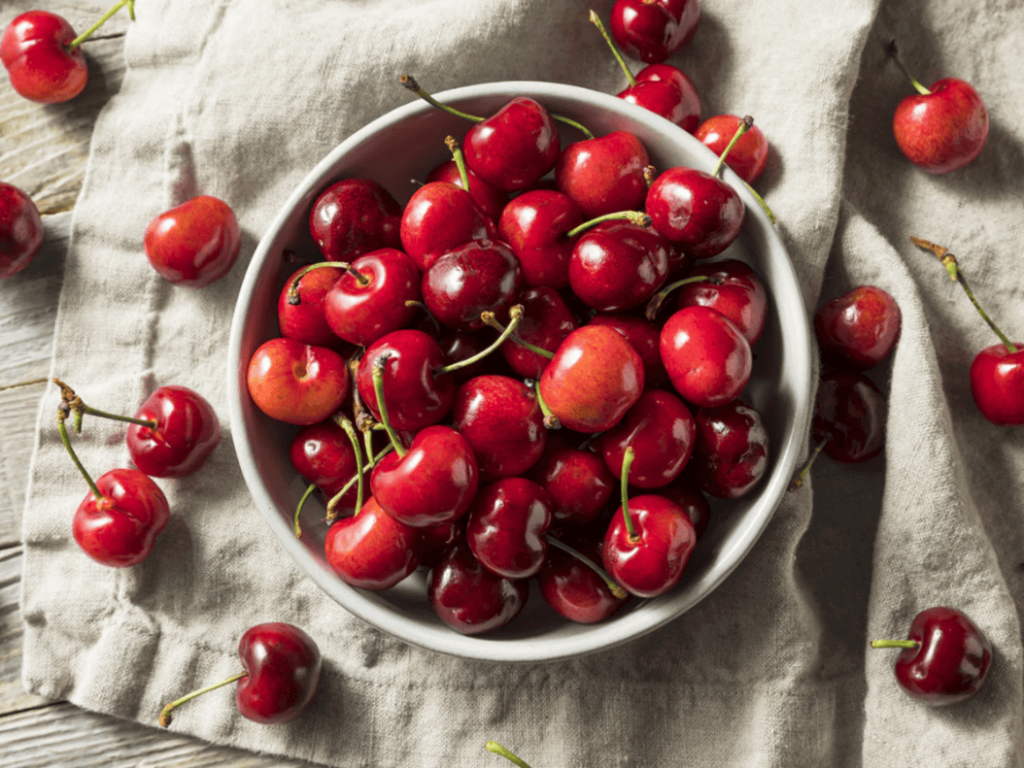
Photo: NEXIRA
Tart cherries naturally contain melatonin, the hormone involved in regulating the sleep-wake cycle. They can be eaten whole or enjoyed as tart cherry juice.
If you choose juice, an unsweetened variety is preferable. Added sugar at night may work against your efforts to settle down for sleep.
Tart cherry products may not be suitable for everyone. If you take medication regularly, speak with your healthcare provider before making tart cherry juice or supplements part of your routine, as their natural melatonin content may interact with some medications.
Kiwi
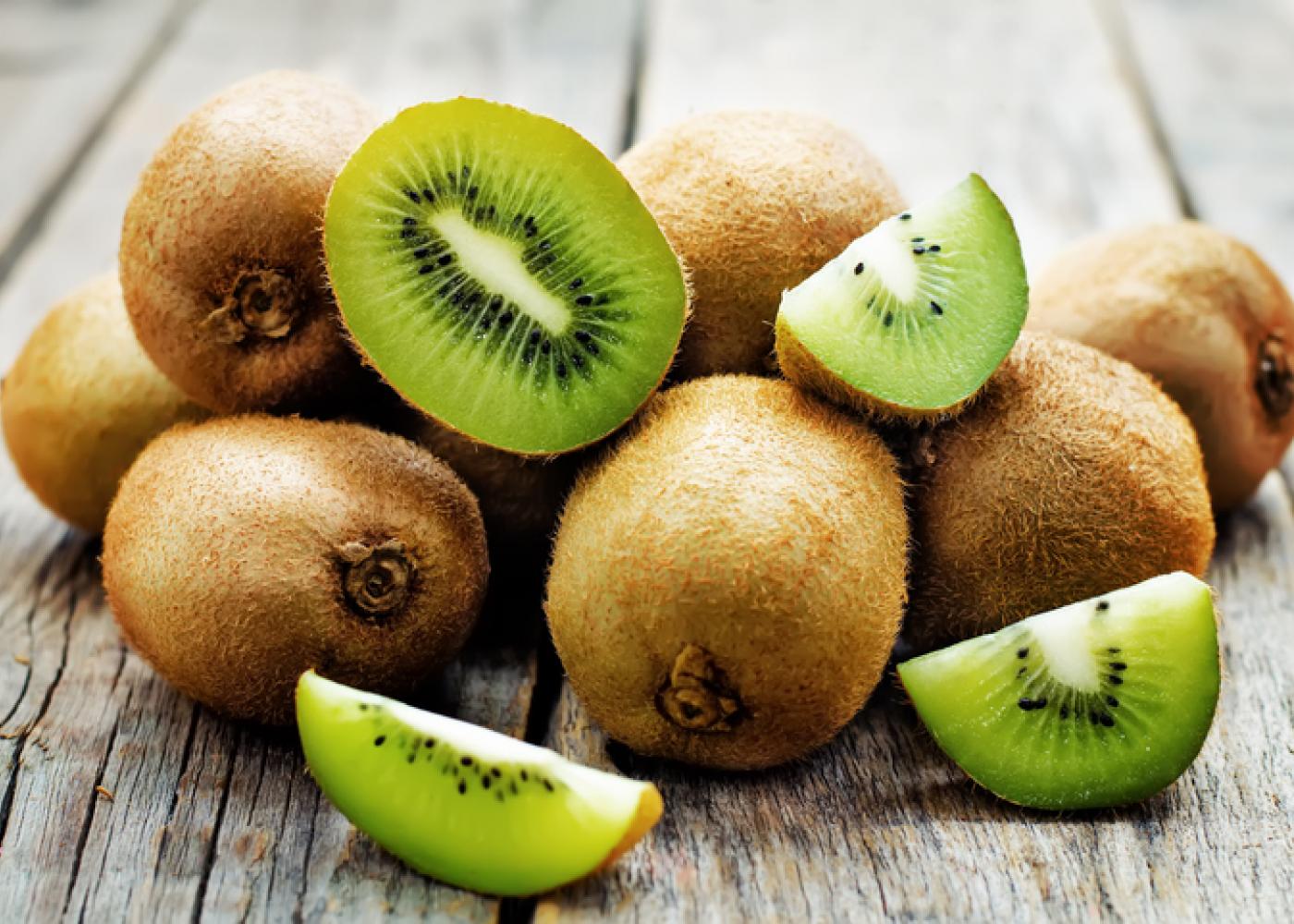
Photo: The fruit shopper
Kiwi contains serotonin, which is involved in the production of melatonin, as well as fiber and antioxidants. It also contains some melatonin.
Eating kiwi before bed has been associated with improvements in sleep quality, and two kiwis about an hour before bedtime is the amount commonly discussed in relation to sleep.
Kiwi is also a useful source of fiber, making it a simple option if you want something light rather than a substantial meal at night.
Fatty Fish
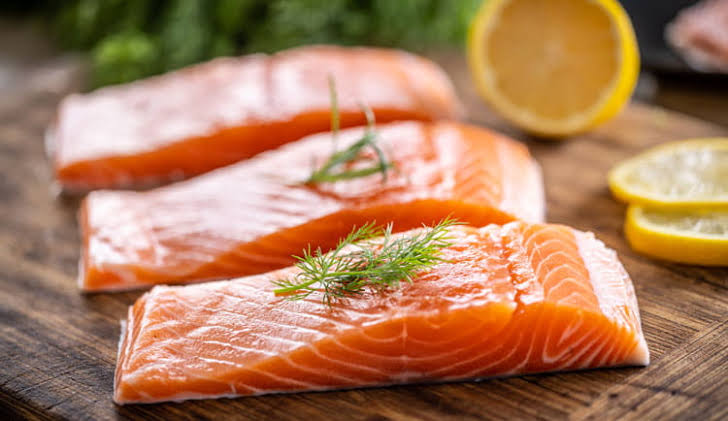
Photo: America Heart Association
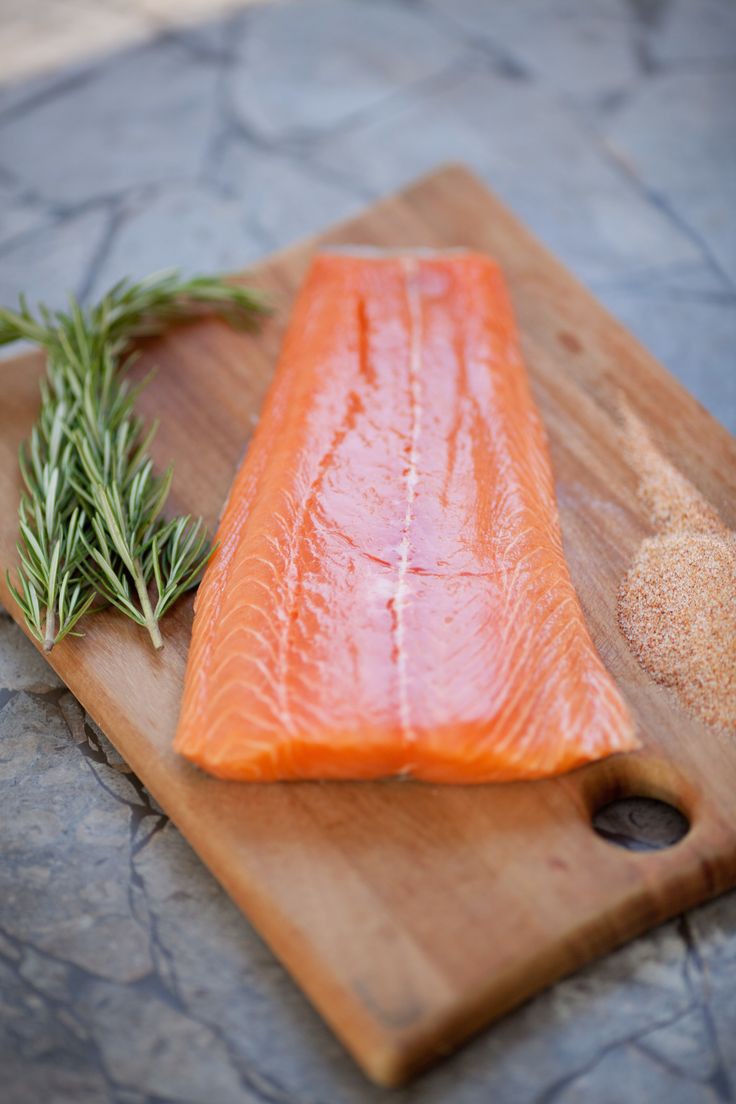
Salmon, sardines and mackerel provide omega-3 fatty acids and vitamin D, nutrients associated with healthy sleep. Salmon also contains tryptophan.
Fatty fish can be incorporated into dinner as part of a balanced meal, and eating it regularly provides benefits that extend beyond sleep. A healthy diet generally includes fatty fish several times a week.
The type of fat you eat also matters. Unsaturated fats, such as those found in fatty fish, nuts and seeds, are preferable to diets high in saturated fat from foods such as heavily fried foods and fatty meats.
Eggs
Eggs provide tryptophan and vitamin B6. Vitamin B6 helps the body produce melatonin and serotonin, while tryptophan is used in the production of serotonin.
If you are eating eggs for their tryptophan content, include the yolk rather than eating only the whites.
Eggs can also be an easy source of protein at dinner, particularly when paired with vegetables or whole grains.
Pistachios
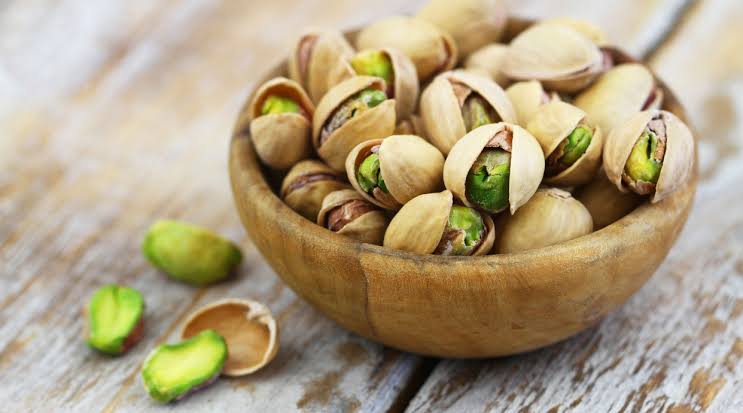
Photo: Dr Earth
Pistachios contain protein, healthy fats, vitamin B6 and melatonin. They can make a convenient evening snack when you want something small before bed.
A modest portion is enough. Like other nuts, pistachios are nutrient-dense and relatively high in calories, so a small handful is generally more appropriate than eating a large quantity late at night.
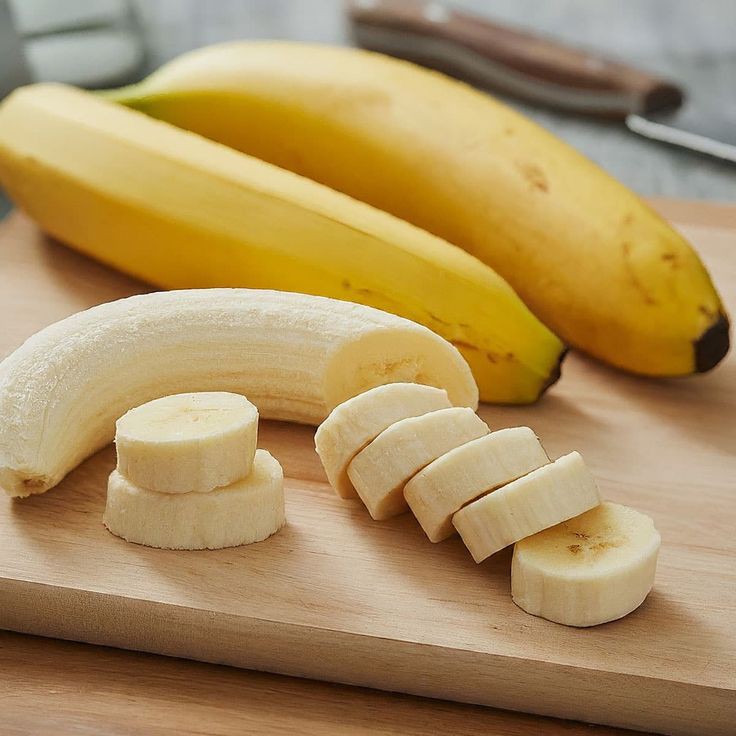
Peanut Butter and Banana
Peanut butter and banana bring several sleep-supportive nutrients together. Peanut butter provides protein, healthy fats and tryptophan, while bananas contain vitamin B6, magnesium and potassium.
Pairing a source of tryptophan with a carbohydrate can help the body make better use of tryptophan. A banana with a small amount of peanut butter therefore makes a simple evening snack.
Greek Yogurt
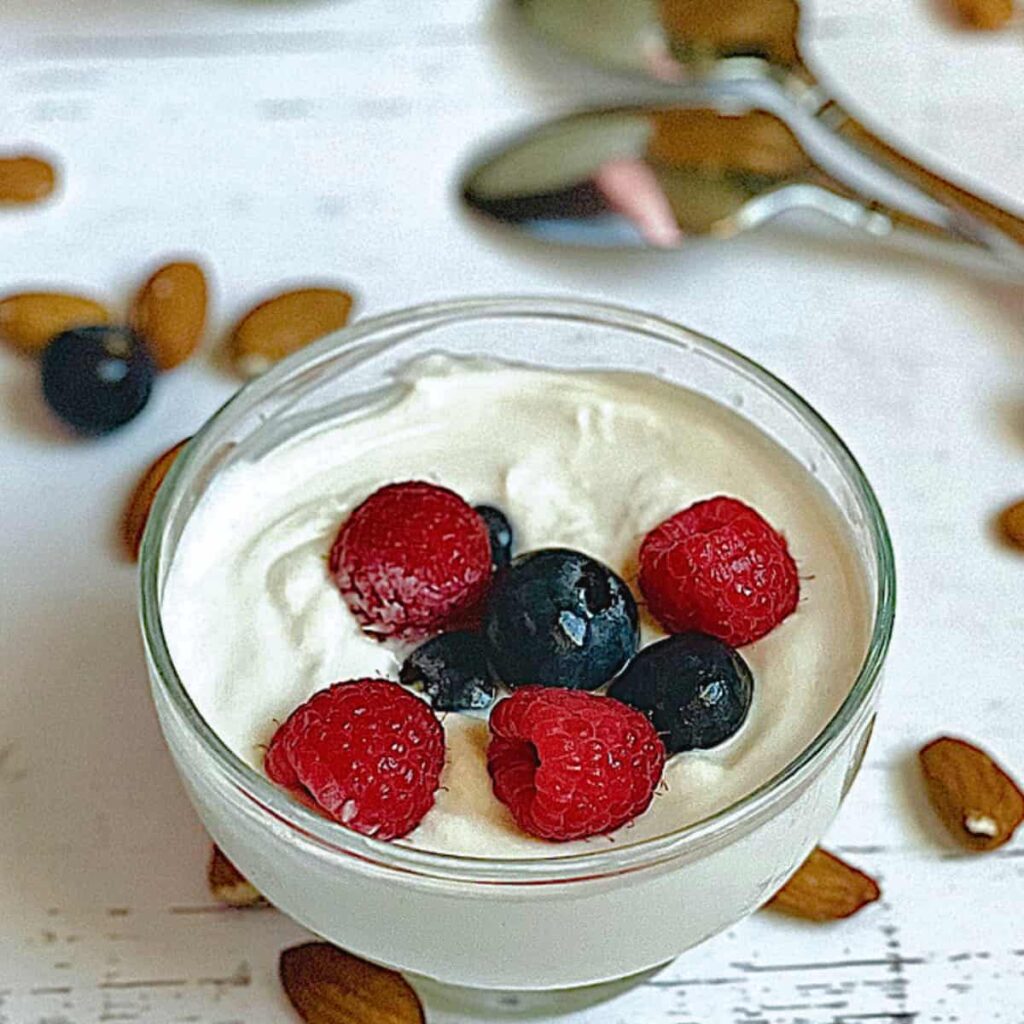
Photo: Tasty Oven
Greek yogurt provides protein and tryptophan and can be a lighter alternative to a rich dessert at night.
For a more filling snack, it can be paired with fruit, nuts or seeds. Choosing plain or lightly sweetened yogurt can also help keep added sugar lower in the evening.
What to Limit Before Bed
Choosing foods that may support sleep is only part of the picture. Some foods and drinks can make it harder to get a restful night.
Caffeine: Coffee is the obvious source, but caffeine is also found in tea, chocolate, energy drinks and some medications. Its effects can last for hours, and people who are particularly sensitive to caffeine may need to stop consuming it well before bedtime.
Alcohol: Alcohol may make you feel sleepy initially, but it can interfere with sleep later in the night and lead to more frequent waking. It can also contribute to dehydration.
Sugary foods and drinks: Large amounts of sugar at night may interfere with sleep. If you want something sweet, fruit is a better option.
Heavy or spicy meals: Eating a particularly heavy or spicy meal close to bedtime can contribute to indigestion and acid reflux, making it harder to sleep comfortably.
When to Eat
Even foods that fit into a sleep-friendly diet can be uncomfortable if you eat them immediately before lying down. Aim to finish a heavier evening meal around two to three hours before bed.
If you are genuinely hungry later, a small snack such as kiwi, a few almonds, Greek yogurt or a banana with a little peanut butter may be a better option than going to bed overly hungry.
Ultimately, better sleep is not about finding a single food that works like a sleep aid. It is about the overall pattern of what you eat, when you eat it and the habits you maintain around bedtime.
If you regularly have difficulty falling asleep or staying asleep, particularly if you wake up exhausted or frequently experience morning headaches, speak with a healthcare professional rather than relying on food alone.
They Provide Key Nutrients
They Support Heart Health
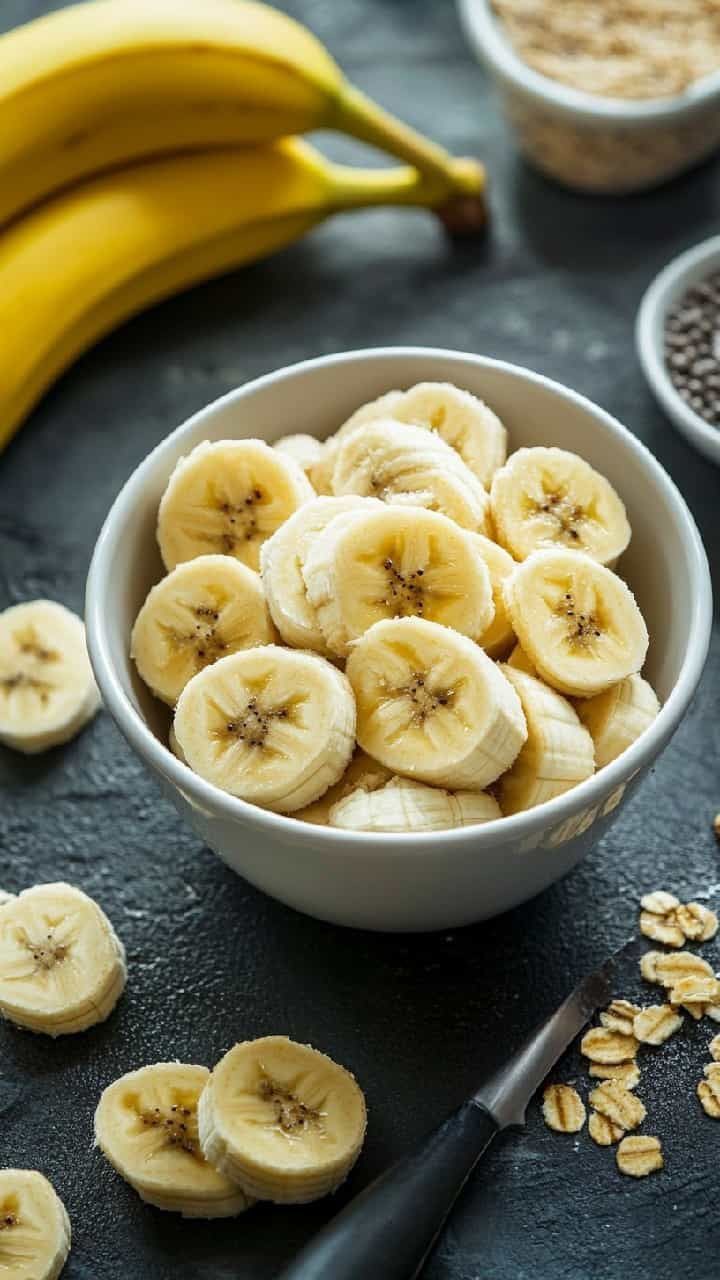
Photo: Pinterest/@Tami Olsen
They Can Aid Digestion
They Offer Lasting Energy
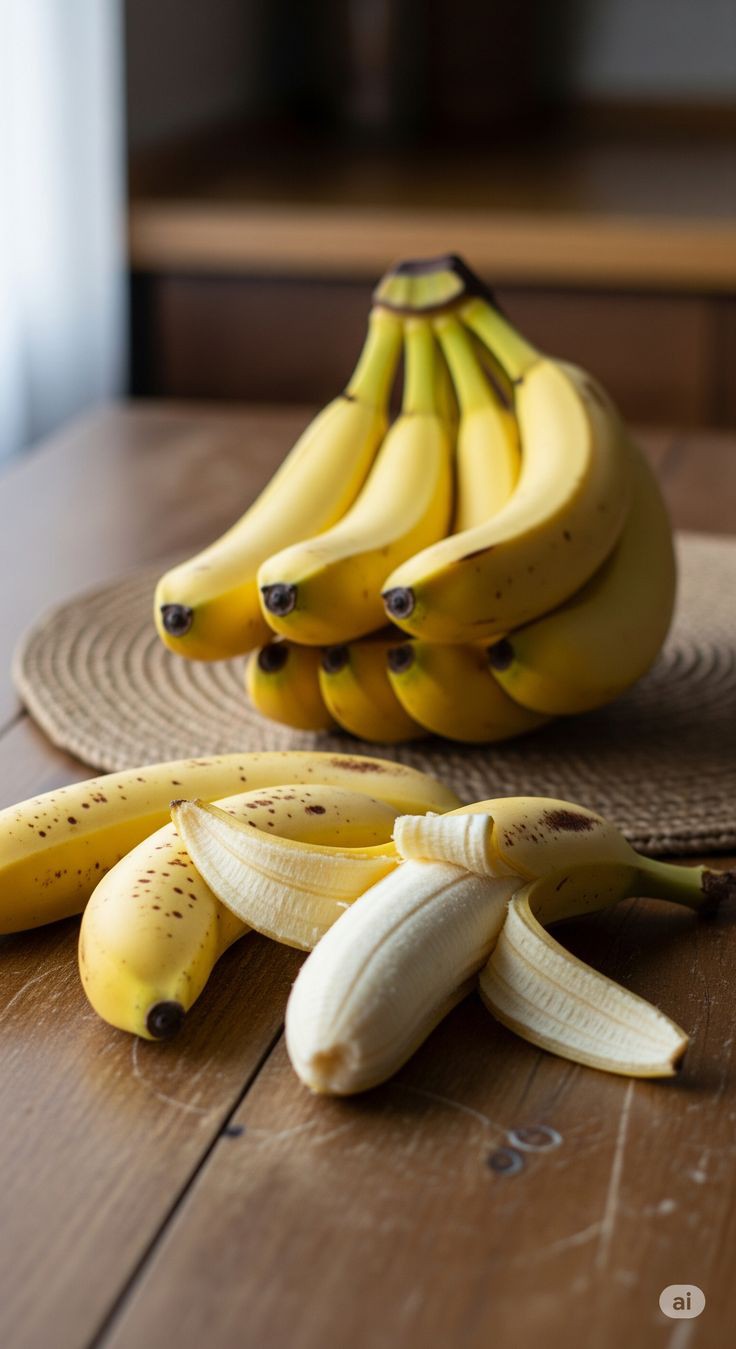
Photo: Pinterest/@Pitasa
They May Help With Exercise Recovery
They Contain Antioxidant
They Can Help You Feel Full
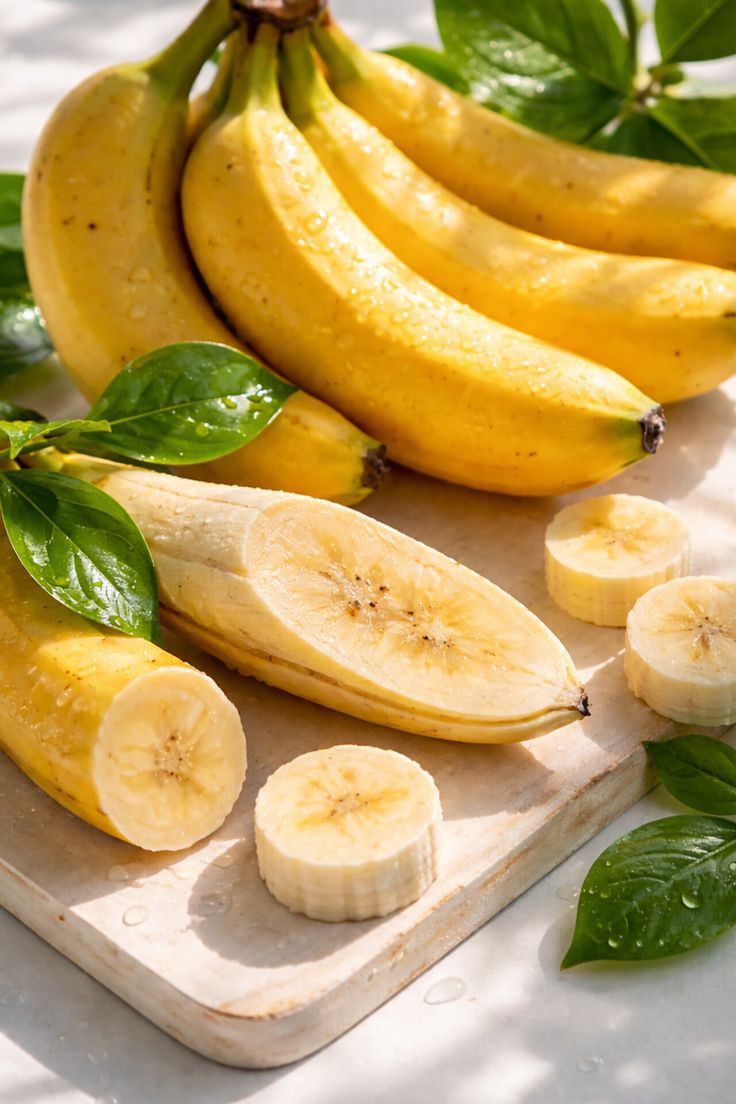
Photo: Pinterest/@Nature
An Easy Fruit to Include Every Day

You’re Feeling Thirsty or Your Mouth Feels Dry

Photo: Pinterest
Your Urine Is Dark Yellow
You Have a Headache or Feel Dizzy

Photo: Pinterest
You’re More Tired Than Usual or Struggling to Concentrate
Your Lips and Skin Feel Dry

Photo: Pinterest
When to Seek Medical Care


Alleged Thomas Markle Photo Handed to Abuse Investigators

Jenna Ortega May Take a Break From TV After Wednesday

Halle Berry’s Restraining Order Extended as Court Battle Drags Into Second Week



-

 Celebrity Style2 months ago
Robert Pattinson and Suki Waterhouse Embrace Contrasting Couple Style at Venice Film Festival
-

 Music2 months ago
Karol G and Bruno Mars’ ‘Still’ Review: Two Superstars, One Addictive Duet
-

 Fashion1 month ago
Donatella Versace Launches New Brand With Revolve Group
-

 Bags4 weeks ago
The Standout Bags at Milan Fashion Week Spring/Summer 2027
-

 Music3 weeks ago
Mac Miller Releases Three New Songs for Album 10th Anniversary
-

 Nails2 months ago
5 Nail Colors Set to Define Fall 2026
-

 Fashion2 months ago
The 2000s Skinny Jeans Are Making a Comeback
-

 Music2 months ago
Miley’s “Bass Persuades” Video Review: A Bold New Era for the Pop Star