
Beauty
How to Get Rid of Dark Circles Under Your Eyes

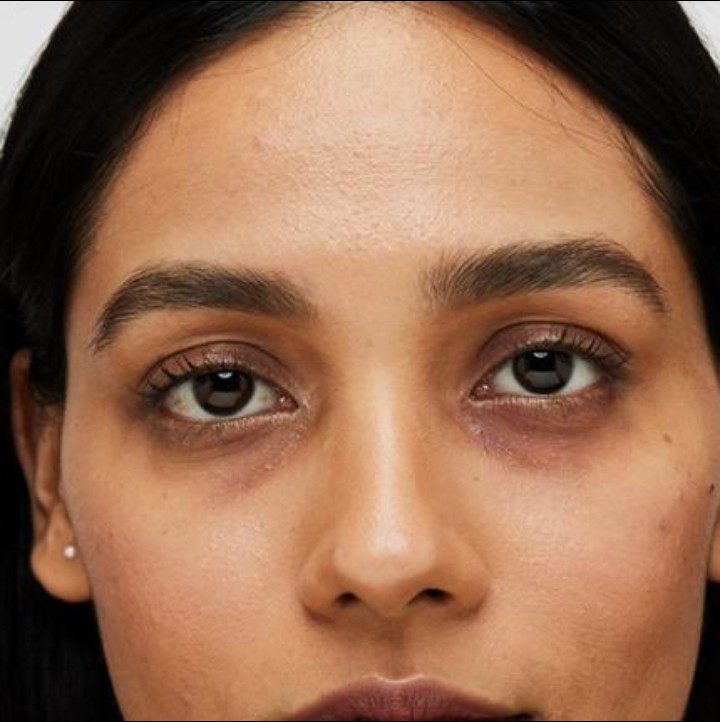



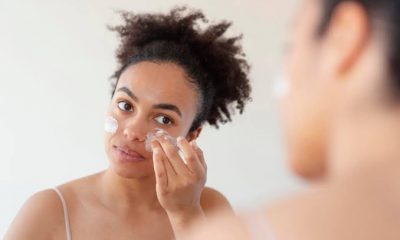


The next beauty conversation may not be about finding the right serum or concealer. On TikTok, growing interest in “ferritin face” is turning attention towards something less visible: the body’s iron stores and their possible connection to changes in skin, hair and nails. The trend is raising questions about whether the future of beauty will involve looking beyond the products people apply and paying closer attention to what is happening inside the body.
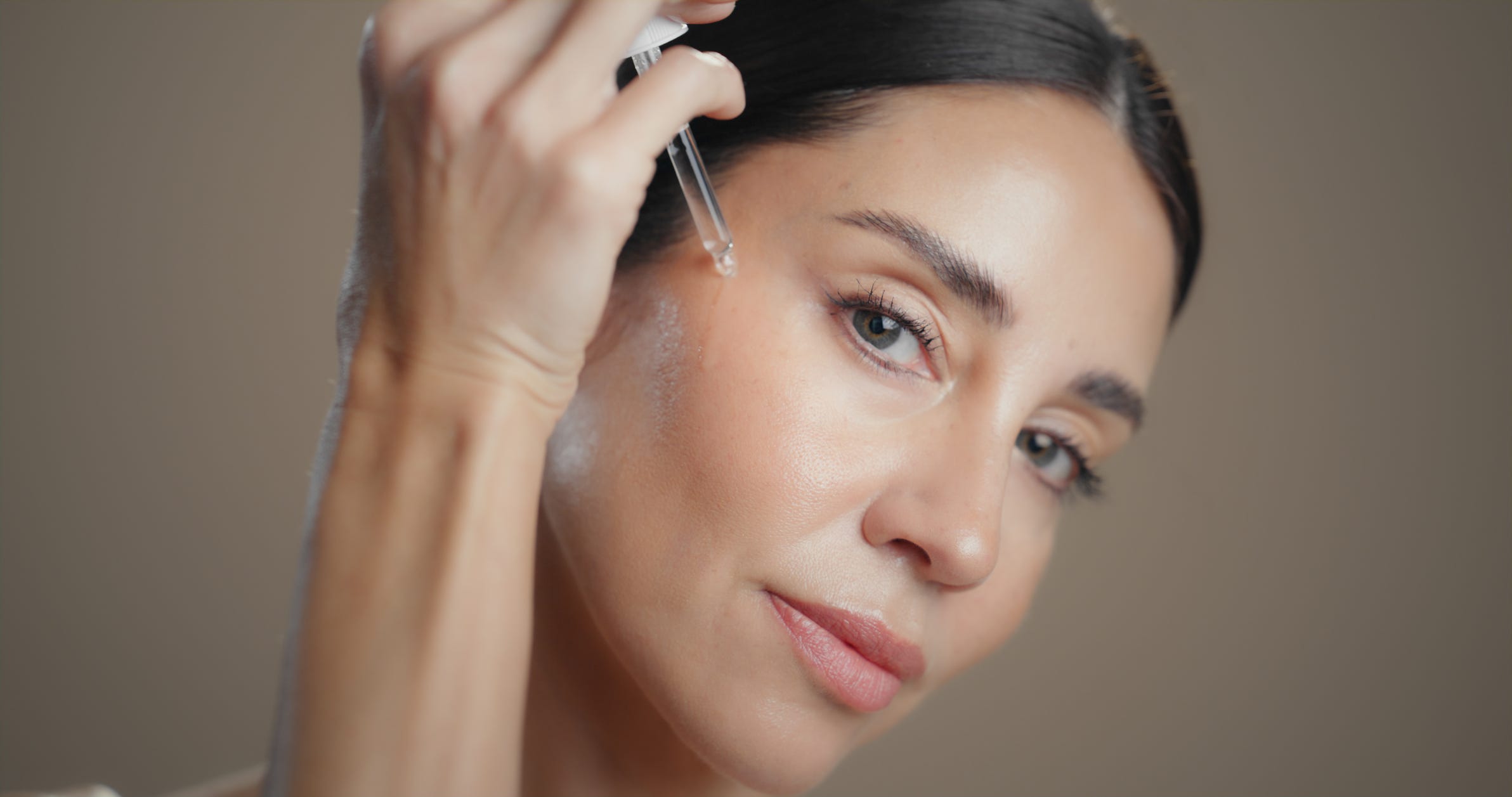
Photo: Getty images
The term refers to a collection of visible changes that social media users associate with low ferritin levels. Ferritin is a protein that stores iron in the body, helping maintain reserves needed for essential functions. When these reserves become depleted, people may experience symptoms such as fatigue and hair loss. However, the changes associated with ferritin face are not exclusive to iron deficiency.
The conversation has attracted considerable attention online. The hashtag #FerritinFace has accumulated more than 16 million views on TikTok, while Google searches for the term reportedly increased by 5,000 per cent in the UK since October. Videos featuring users examining their appearance for possible signs of low iron have contributed to the discussion, with some also sharing recommendations involving supplements and traditional Chinese medicine.
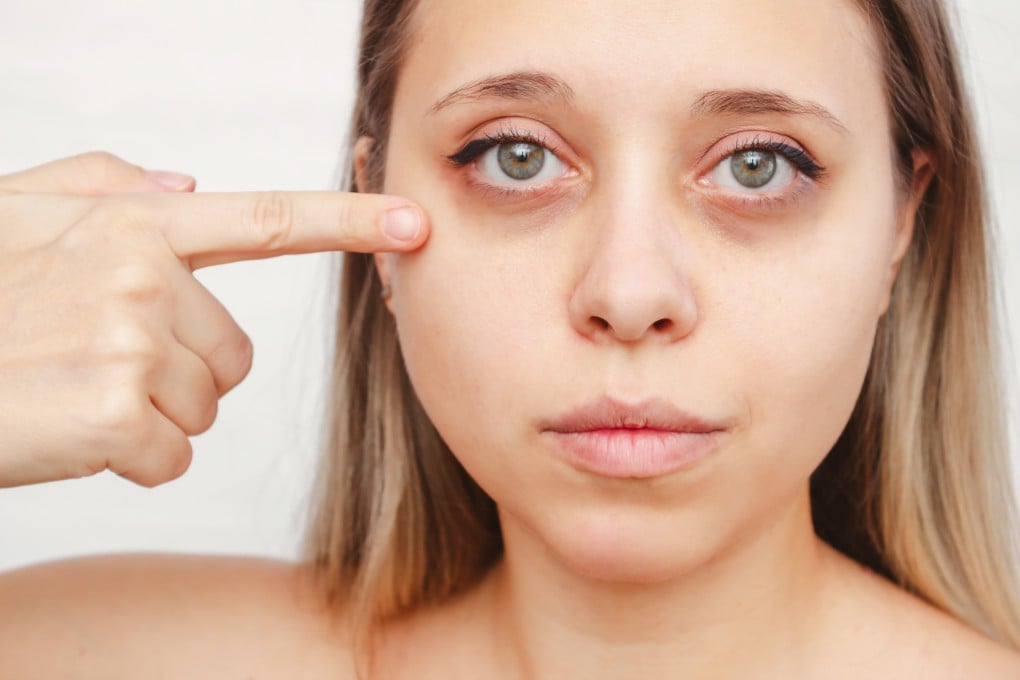
Photo: Getty images
For beauty consumers in the UAE and beyond, the discussion introduces another way of thinking about skincare. Rather than focusing exclusively on products that address visible concerns, attention is shifting towards whether nutrition, hormones and other internal factors could influence the condition of the skin, hair and nails.
However, medical professionals caution against using facial appearance to identify iron deficiency. Dark circles, dull skin and hair loss can have several causes, including genetics, hormonal changes, stress and inadequate sleep. Ferritin face is not a recognised medical diagnosis, and appearance alone cannot establish whether someone’s iron stores are low.
For people experiencing persistent symptoms, healthcare professionals may recommend a medical assessment, including a ferritin test and a full blood count. Taking iron supplements without confirming a deficiency is also inadvisable, as excessive intake can cause side effects and, in some cases, toxicity.
Beauty’s Growing Interest in Personalised Technology
The discussion around ferritin face has brought renewed attention to the relationship between internal health and outward appearance. However, the beauty industry’s interest in personalisation extends beyond this conversation. Brands are increasingly exploring ways to understand individual skin characteristics and use that information to inform skincare recommendations, although these cosmetic assessments are not substitutes for medical tests.
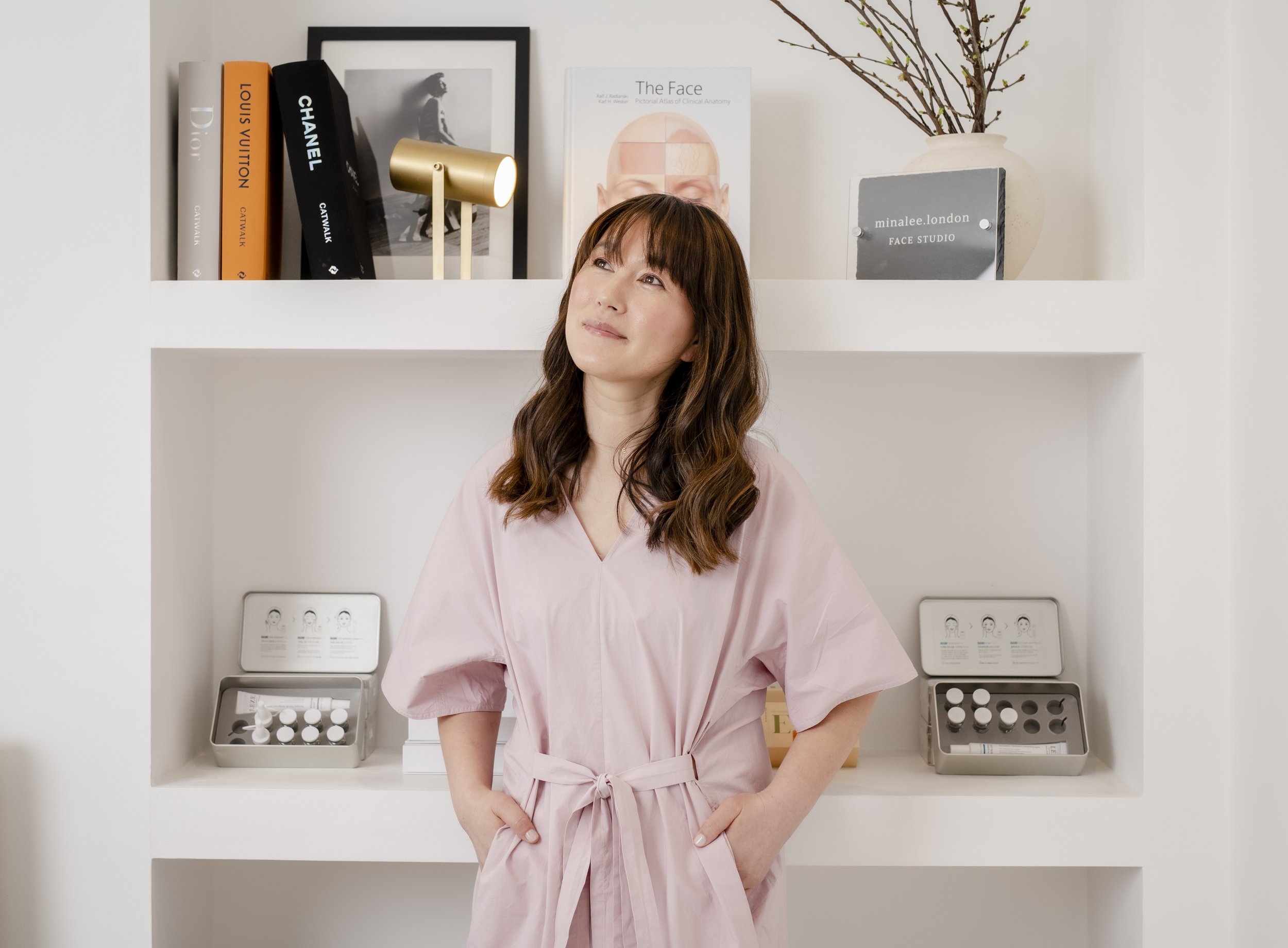
Mina Lee, founder and creative director of her eponymous facial studio in Chelsea, approaches skin concerns by looking beyond what appears on the surface. Drawing on a perspective familiar in Korean beauty traditions, where the condition of the face is often considered alongside a person’s general health, she takes an interest in factors such as diet, digestion, sleep and mental wellbeing before recommending treatments. Her comments suggest that the interest in ferritin face is not entirely a new way of thinking about beauty, but part of a longer-standing conversation about the relationship between internal health and outward appearance.
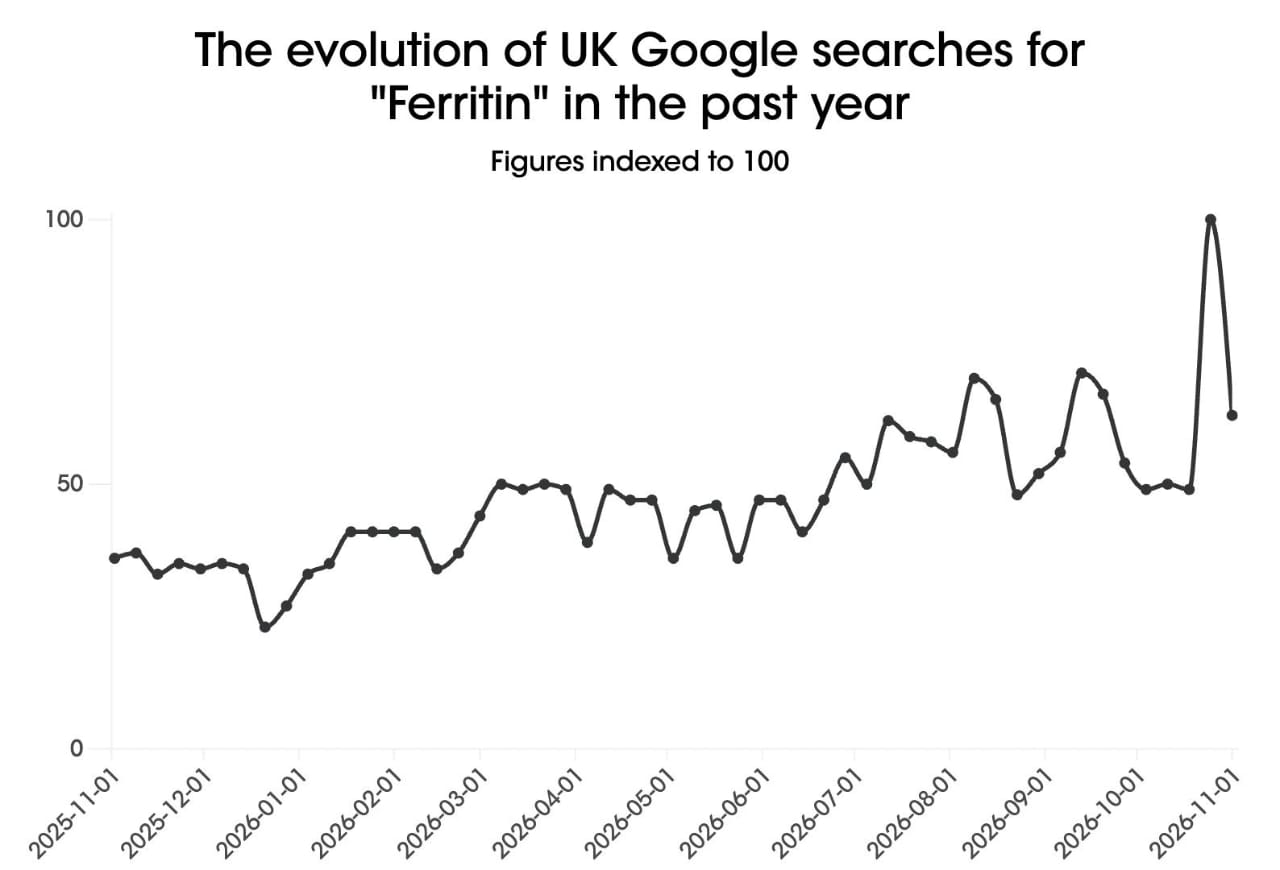
Photo: Google trends
This interest is creating opportunities for beauty companies exploring more personalised approaches to skincare. L’Oréal first unveiled Cell BioPrint at the Consumer Electronics Show in Las Vegas in January 2025, before introducing it with Lancôme as the pilot brand in March 2026. Developed in partnership with South Korean technology company NanoEnTek, the device uses a cheek swab, facial imaging and protein biomarker analysis to assess aspects of skin biology. Its five-minute assessment is designed to provide insights into skin’s biological age and support more personalised skincare recommendations. However, Cell BioPrint is a skincare analysis tool; it does not measure ferritin levels or diagnose iron deficiency.
The UAE’s beauty and wellness industries provide a relevant backdrop to this growing interest in personalised care. According to the Global Wellness Institute’s 2025 report, the country’s Personal Care & Beauty sector was valued at $14.8 billion in 2024. The report also highlights the use of biometric skin analysis and AI-driven diagnostics in personalised wellness services. These developments point to growing opportunities for technology-led approaches to beauty and skincare, although cosmetic assessments remain distinct from medical tests used to identify conditions such as iron deficiency.
Read Next Post: Kim Kardashian’s SKIMS Offers Refunds After Advent Calendar Backlash
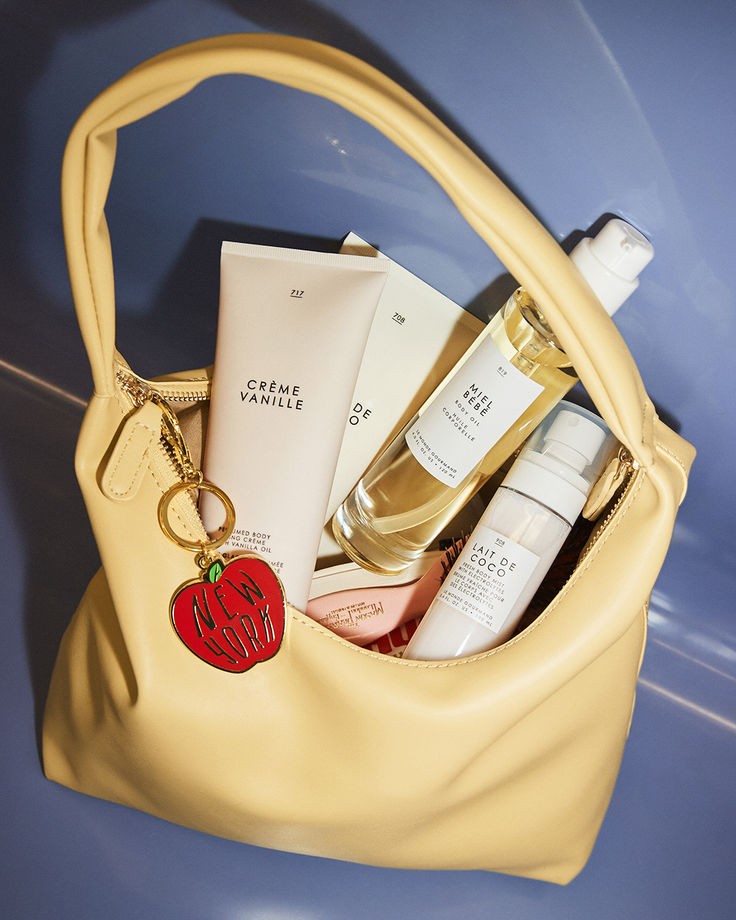
Travelling doesn’t mean abandoning your beauty routine, but it does call for a more considered approach to what goes into your suitcase. From sun protection to multipurpose makeup, these five essentials help you maintain your routine without overpacking.
Sunscreen
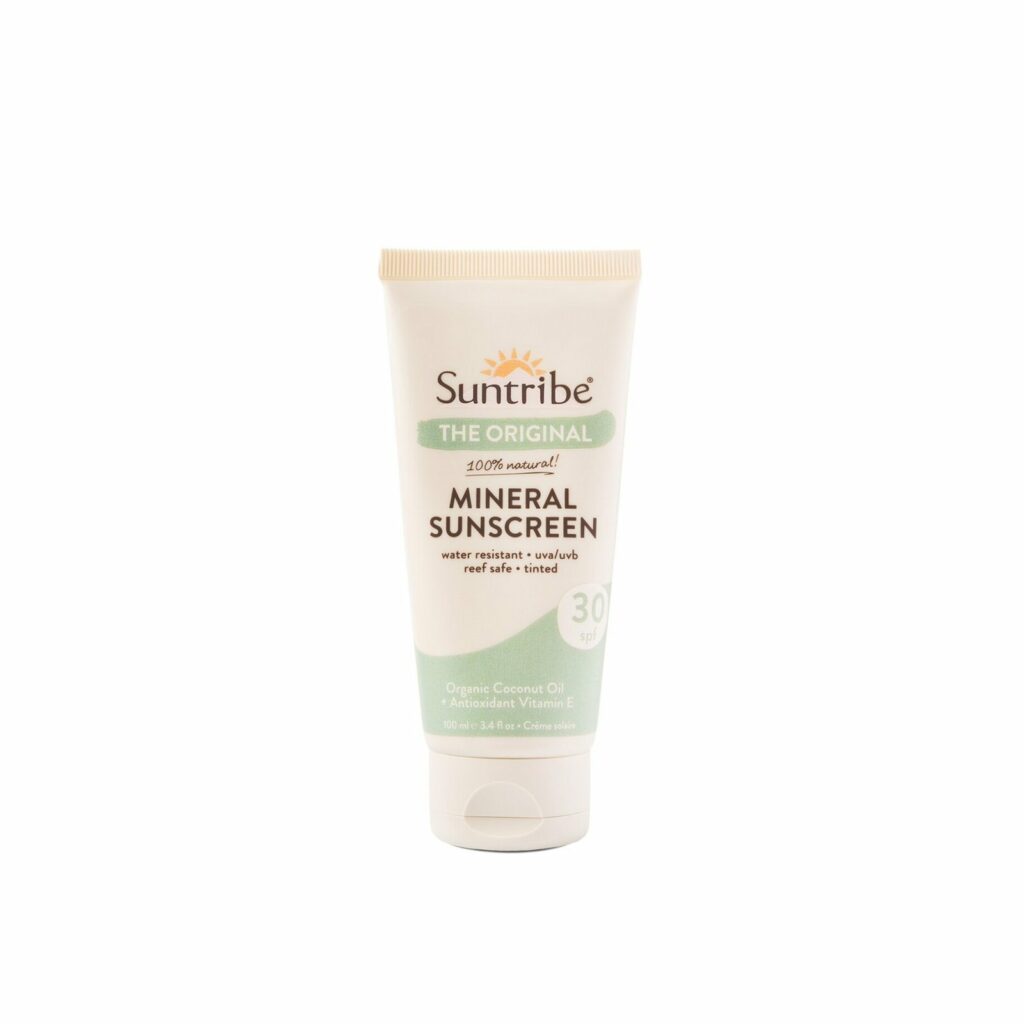
Photo: Suntribe
Sunscreen is essential for protecting your skin from ultraviolet (UV) radiation, whether you’re exploring a new city or spending time at the beach. Choose a broad-spectrum formula with SPF 30 or higher, and opt for a water-resistant option if you expect to swim or sweat.
Reapply as directed on the packaging, particularly after swimming or towelling off. A travel-size bottle saves space, but ensure you pack enough for the duration of your trip.
Moisturiser
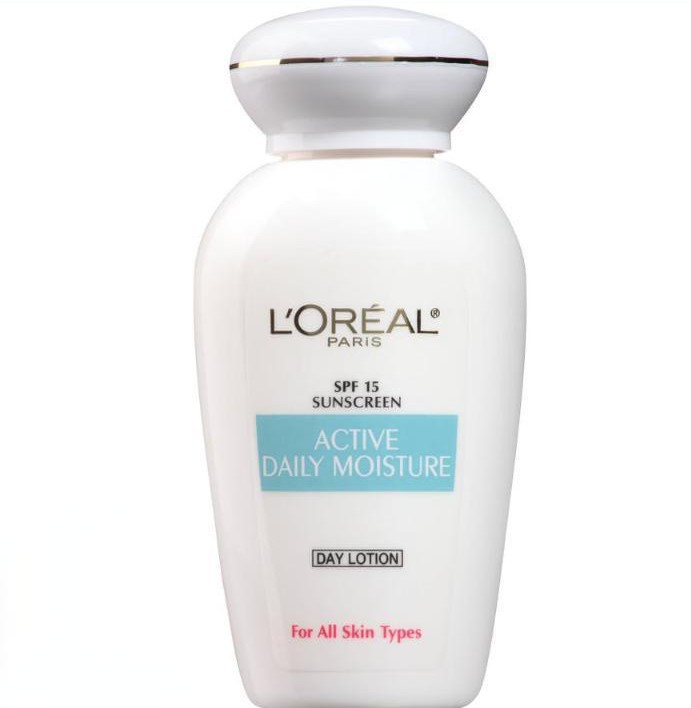
Photo: L’Oréal
Air conditioning, dry cabin air and changes in climate can leave your skin feeling dry or tight. A moisturiser helps maintain hydration and supports the skin’s protective barrier, making it a useful addition to your travel beauty bag.
Choose a formula suited to your skin type. Lightweight lotions or gel-creams may suit oily skin, while richer creams can be more comfortable for dry skin. Packing your usual moisturiser also means you won’t need to experiment with unfamiliar products while away.
Gentle Facial Cleanser
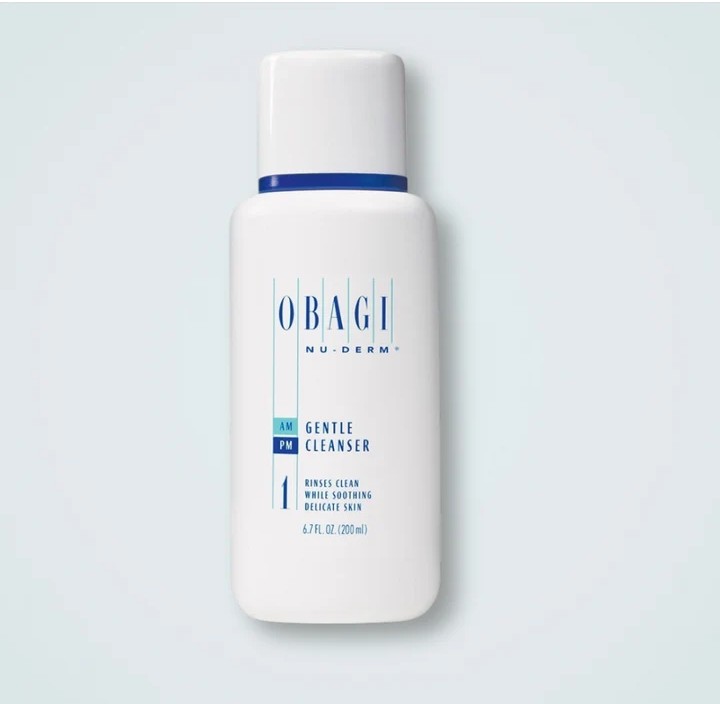
Photo: Obagi
A facial cleanser removes sweat, excess oil, dirt and makeup accumulated throughout the day. Choose a gentle formula that suits your skin, preferably one you already use regularly.
If you wear waterproof or long-lasting makeup, you may need a separate makeup remover or cleansing balm. Micellar water is another option, depending on your skin and the products you use. A compact bottle of your regular cleanser can help save space in your luggage.
Multipurpose Makeup
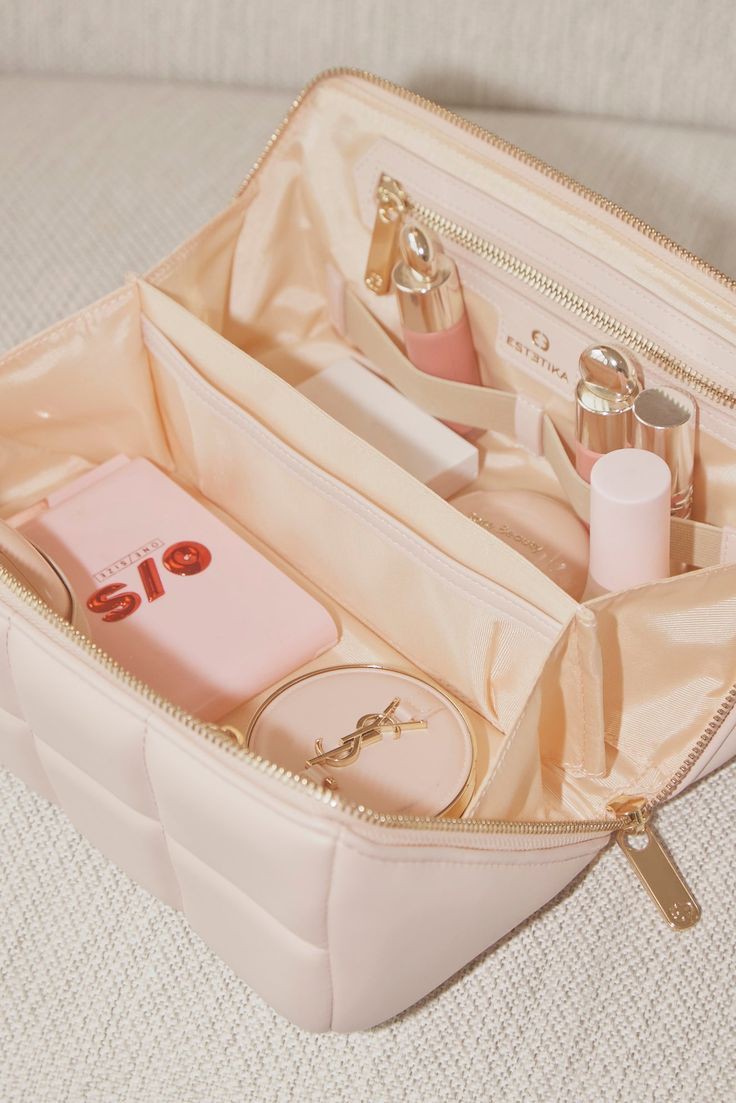
Photo: Pinterest/@Girlyuniverse
Multipurpose makeup makes it easier to create different looks without carrying a full makeup collection. A cream blush that doubles as a lip colour, for example, can work for daytime outings and evening plans.
A tinted moisturiser is another option for light coverage and hydration, although its SPF should not replace dedicated sunscreen. Choose products that complement one another and suit your itinerary rather than packing several items with similar functions.
Leave-In Conditioner or Hair Serum
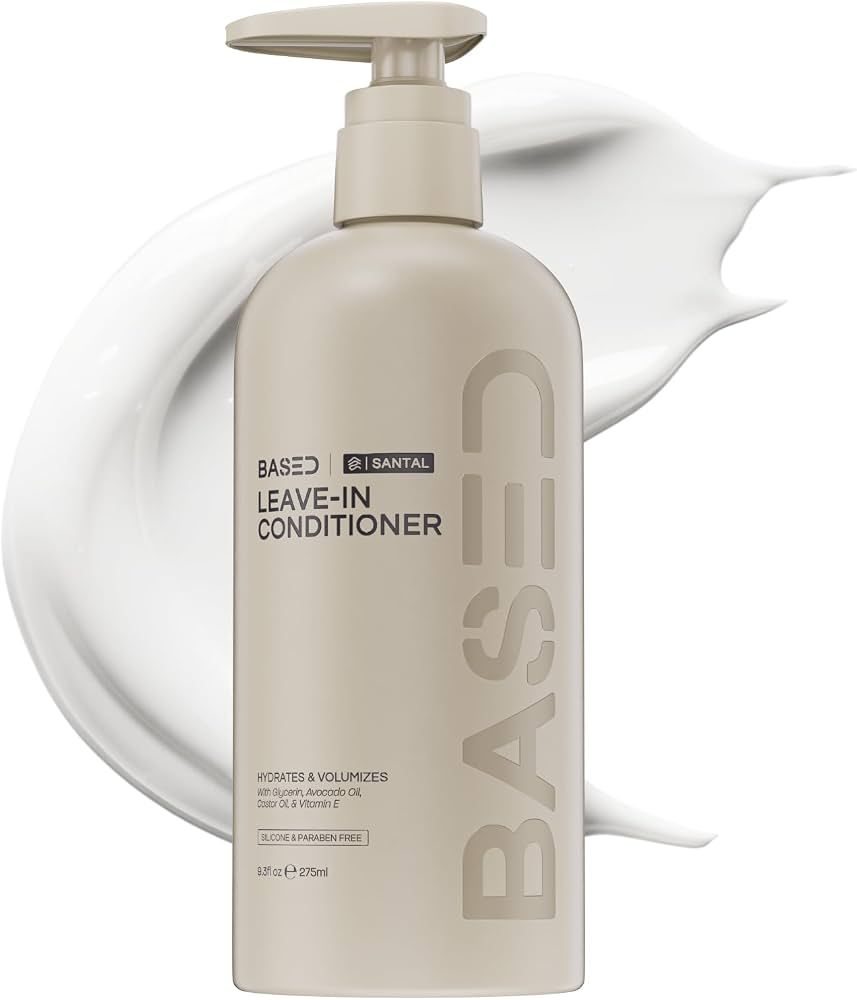
Photo: Based
Your haircare needs may change depending on your destination, hair texture and styling routine. A leave-in conditioner can help soften hair and make detangling easier, while a hair serum may help smooth frizz and add shine.
You don’t necessarily need both. Choose the product that addresses your hair’s main needs, and if you’re travelling with heat-styling tools, check that your chosen product specifically offers heat protection.
Sunscreen, moisturiser, a gentle cleanser, multipurpose makeup and a suitable haircare product provide a practical starting point for your travel beauty bag. Choose products that suit your skin, hair and destination, and pack only what you expect to use.

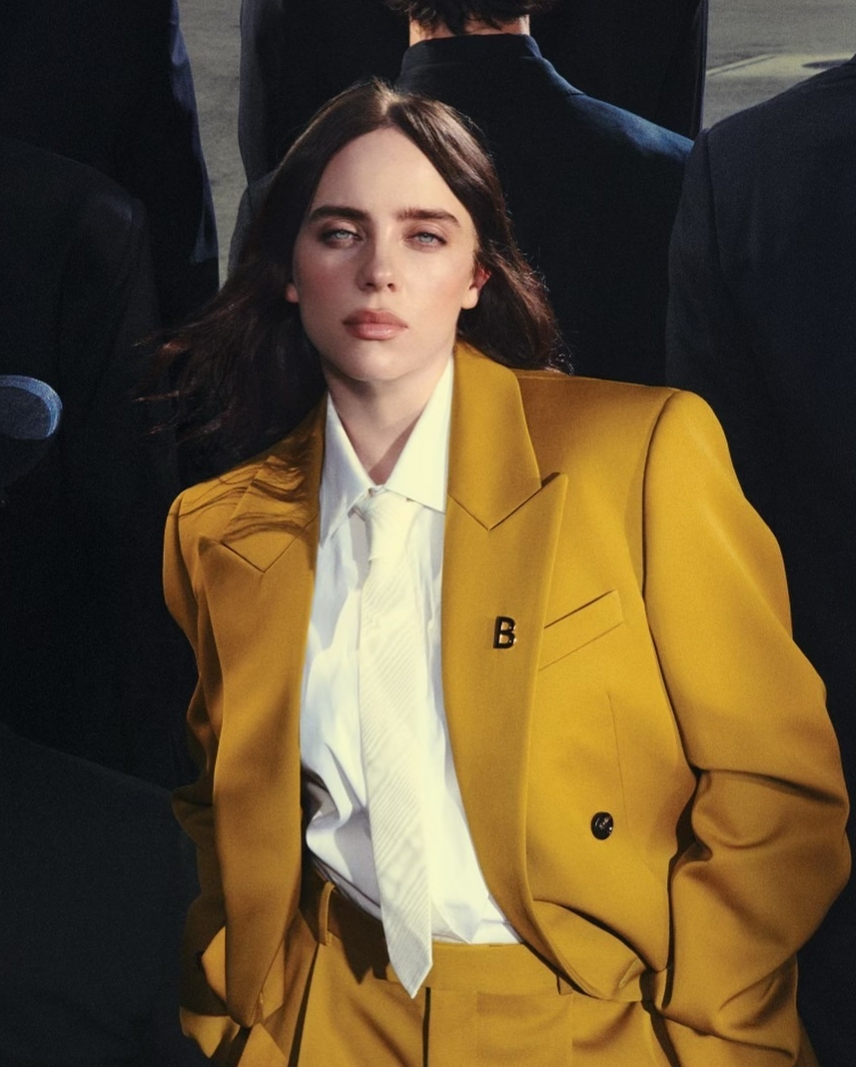
Billie Eilish has traded her shoulder-length strawberry-blonde hair for a shorter, choppy bob. The singer revealed the cut in an Instagram video on October 22, showing off a chin-length style with textured ends and a light auburn shade.
In the video, Eilish sits in a car, smiling as she turns her head from side to side to show the haircut from different angles. She set the clip to Pavement’s 1994 song “Cut Your Hair” and captioned the post with a kissing-face emoji.

Photo: Instagram/@Billie Eilish
The new cut follows an earlier hair transformation she shared on October 5, when she posted photos of herself with a shoulder-length bob in a strawberry-blonde shade. The latest version is shorter, with uneven ends that fall around her chin.
Eilish has changed her hair color several times throughout her career. She became known for her black hair with neon-green roots before debuting platinum blonde hair in 2021, ahead of the release of her album Happier Than Ever. She has since worn darker shades and auburn tones, making the current look another shift from her signature styles.

Photo: Instagram/@Billie Eilish
The singer has also been working on her feature-film acting debut in The Bell Jar, an adaptation of Sylvia Plath’s 1963 novel directed by Sarah Polley. Eilish plays Esther Greenwood in the upcoming film. She was photographed with auburn hair while filming in Toronto earlier this year.
For now, Eilish’s latest Instagram post puts the focus on a shorter cut and a warmer hair color, adding another look to her history of experimenting with different styles.


SZA, Dua Lipa and Tame Impala to Headline Coachella 2026 — See the Full Lineup

Ariana Grande Makes Red Carpet Debut with Boyfriend Ricky Álvarez at ‘Focker-In-Law’ Premiere

Bella Hadid Hard-Launches Her Relationship with Nathan Lacy


-
 Celebrity News1 month ago
Rihanna Seemingly Responds After EJ Johnson Shades Her Paris Fashion Week Look
-
 Bags2 months ago
The Standout Bags at Milan Fashion Week Spring/Summer 2027
-

 Music1 month ago
Mac Miller Releases Three New Songs for Album 10th Anniversary
-

 Celebrity Style1 month ago
Dua Lipa and Callum Turner Turn a Yankees Game Into a Date Night
-
 Fashion1 month ago
Kendall Jenner Closes Out Bottega Veneta Show
-

 Celebrity News1 month ago
Jada Pinkett Smith Asks Court to Order Psychological Evaluation of Will Smith’s Ex-Best Friend
-

 Celebrity Style1 month ago
Gigi Hadid Takes Mesh Flats Into Fall During Paris Fashion Week
-

 Sex2 months ago
Are We Dating or Just Constantly Talking? The Confusing Era of Situationships