
Wellness
How Coastal Wellness Is Transforming Travel in 2026






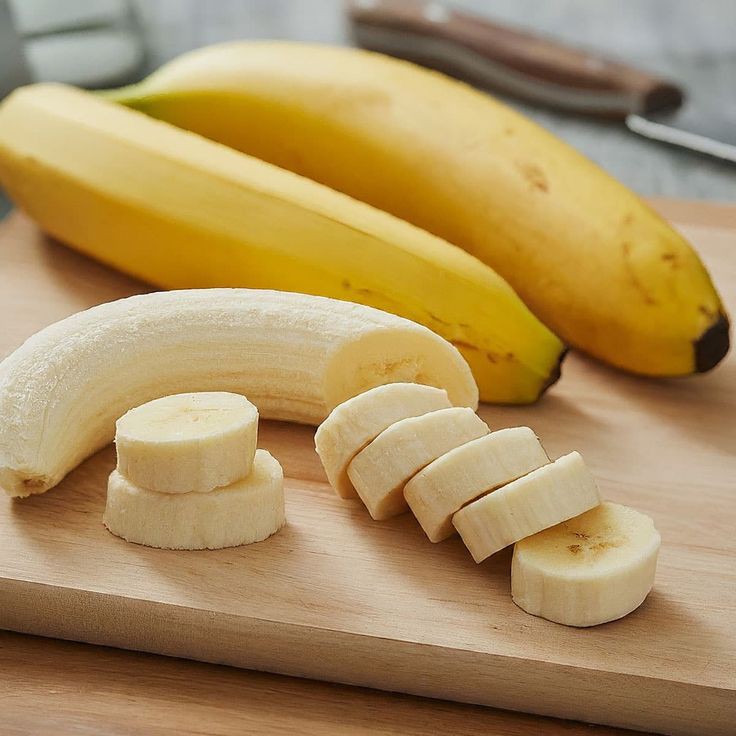
Bananas are available year-round, affordable, and found in grocery stores almost everywhere, making them one of the most familiar fruits on the shelf. Their convenience often means they receive less attention than trendier superfoods, yet they offer an impressive range of nutritional benefits. Rich in essential vitamins, minerals, and fiber, bananas support heart health, digestion, energy production, and overall well-being. Whether eaten on their own, blended into smoothies, or added to breakfast bowls, they are an easy way to include more nutrient-rich foods in your diet.
They Provide Key Nutrients
A medium banana contains carbohydrates that provide energy, along with vitamin B6, vitamin C, potassium, magnesium, and dietary fiber. They are also naturally fat-free and contain no cholesterol, making them an easy addition to a balanced eating pattern.
They Support Heart Health
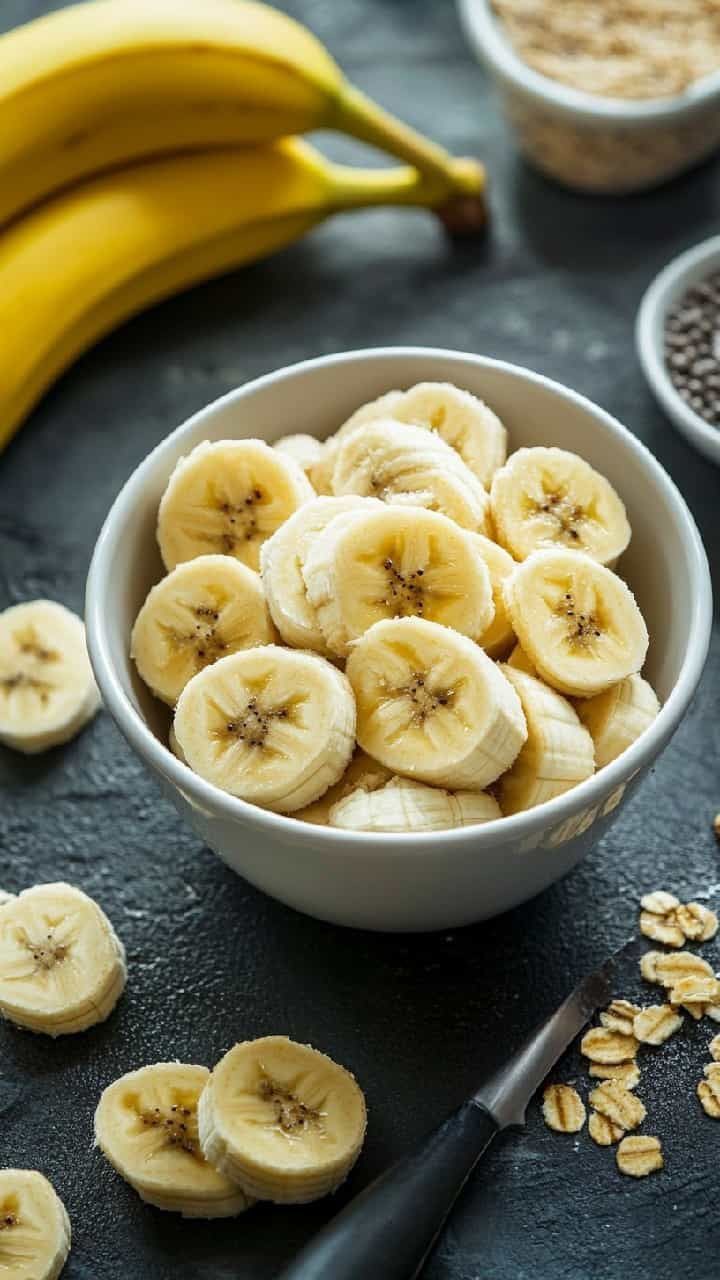
Photo: Pinterest/@Tami Olsen
Bananas are well known for their potassium content, a mineral that helps maintain normal blood pressure and supports healthy muscle and nerve function. Most people do not consume enough potassium, making bananas one practical way to help increase intake. Their fiber content also contributes to heart health as part of an overall nutritious diet.
They Can Aid Digestion
The fiber found in bananas supports healthy digestion and helps promote regular bowel movements. Slightly green and also contain more resistant starch, a type of carbohydrate that functions similarly to fiber by feeding beneficial gut bacteria
They Offer Lasting Energy
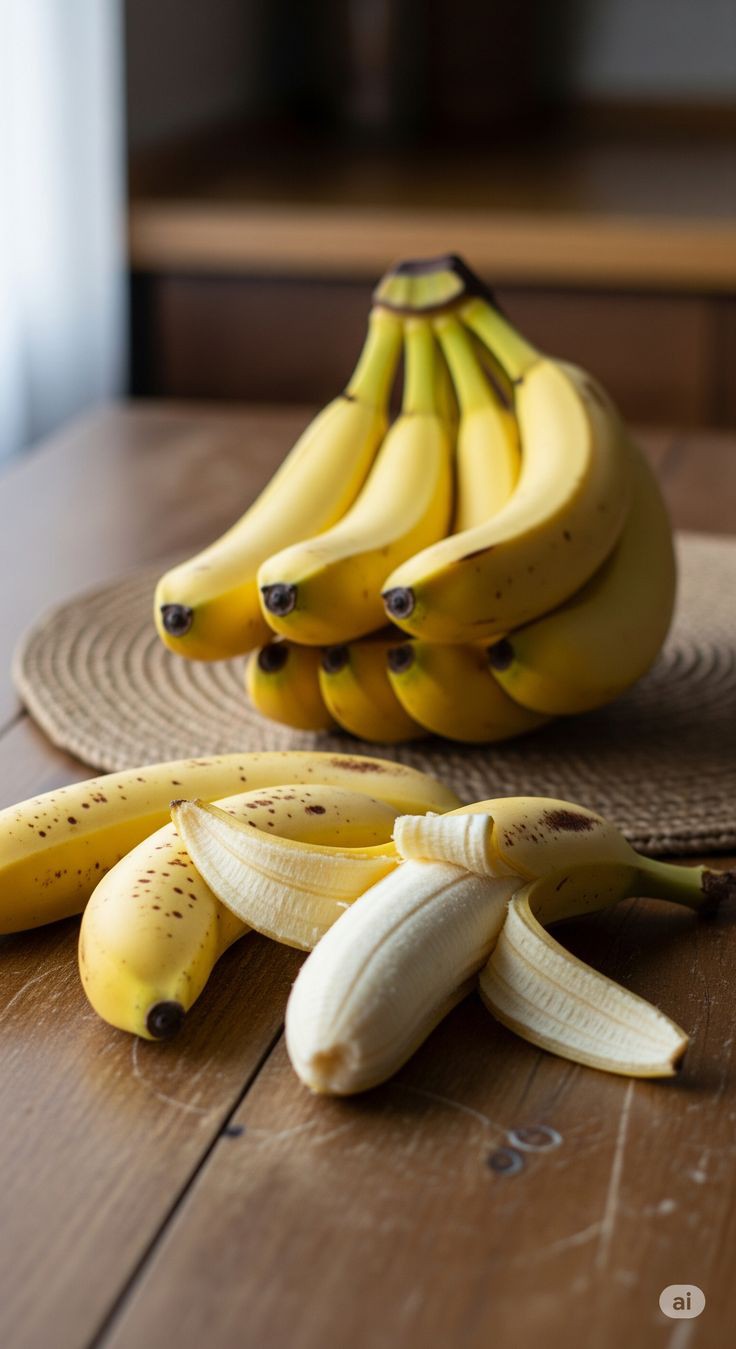
Photo: Pinterest/@Pitasa
Bananas contain natural sugars along with fiber, allowing energy to be released more gradually than foods made primarily with refined sugar. This combination makes them a popular choice before exercise or as a snack between meals
They May Help With Exercise Recovery
Potassium plays an important role in muscle function, and bananas are often included in post-workout meals because they provide carbohydrates that help replenish energy stores. While bananas alone are not a complete recovery meal, pairing one with a source of protein can support recovery after physical activity.
They Contain Antioxidant
Bananas provide several naturally occurring antioxidants, including dopamine and catechins. These compounds help protect cells from oxidative stress, which is associated with normal aging and various chronic diseases. The antioxidants found in bananas contribute to their overall nutritional value.
They Can Help You Feel Full
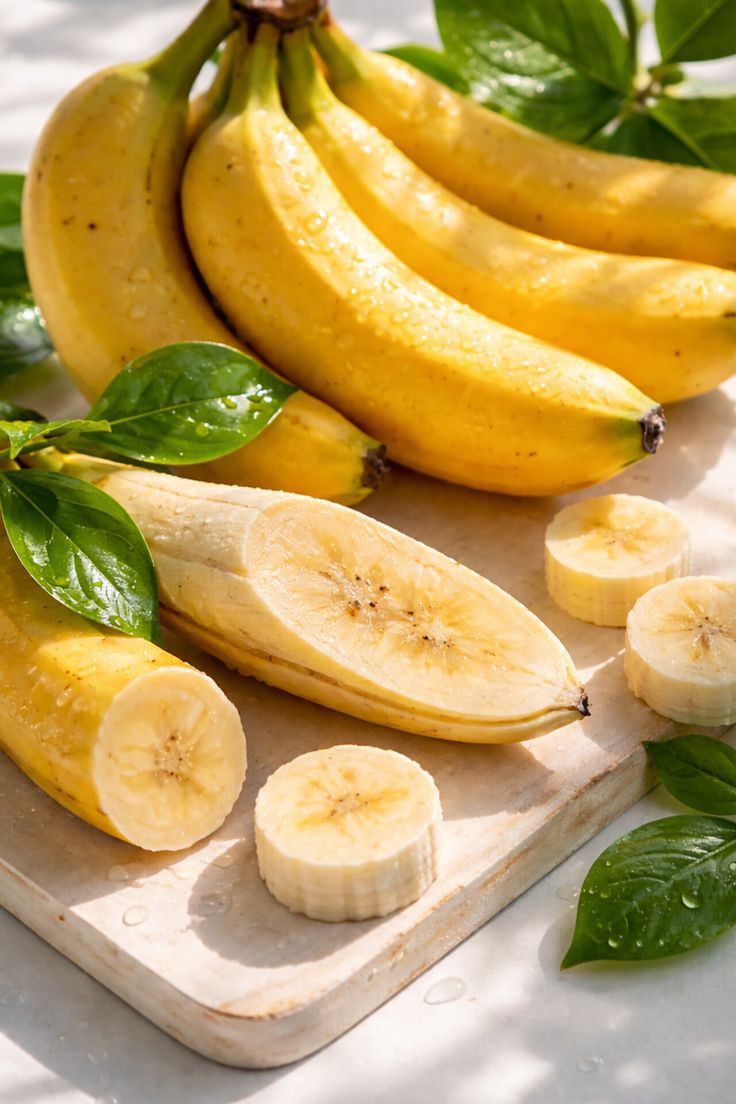
Photo: Pinterest/@Nature
The combination of fiber and carbohydrates can make bananas a satisfying snack, helping to reduce hunger between meals. When paired with foods such as yogurt, nuts, or nut butter, they can become part of a balanced snack that keeps you feeling satisfied for longer.
An Easy Fruit to Include Every Day

Have you been feeling more tired than usual, dealing with frequent headaches or noticing that your lips seem constantly dry? During summer, it’s easy to dismiss these changes as part of the heat, but they can also point to dehydration.
As temperatures rise, and with the heatwave your body loses more fluid through sweating, increasing the need to replace what you’ve lost. Knowing the early signs of dehydration can help you act before the symptoms become more severe.
You’re Feeling Thirsty or Your Mouth Feels Dry
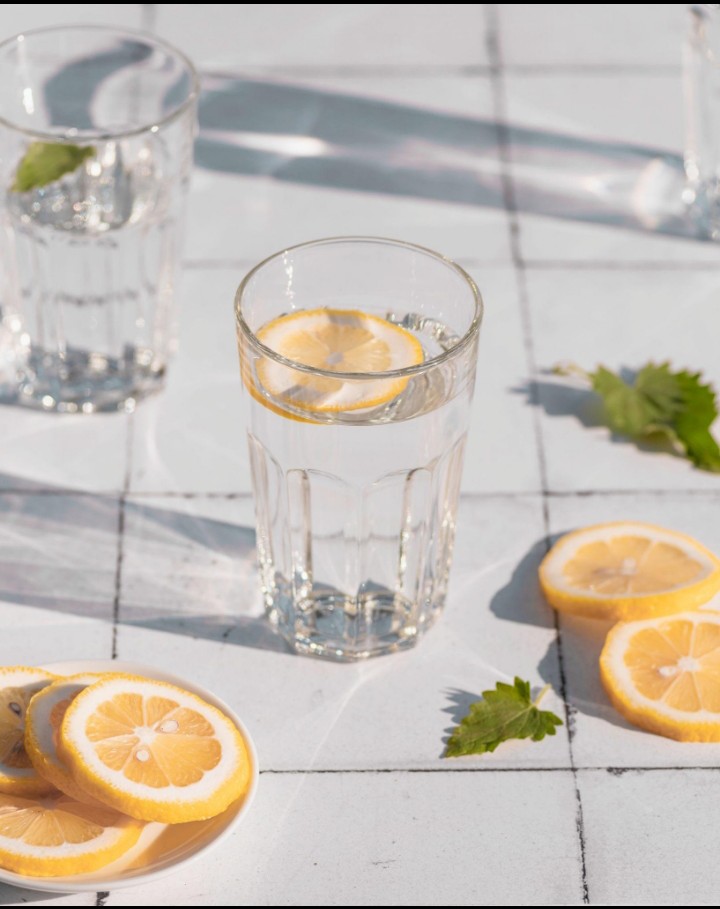
Photo: Pinterest
Thirst is one of the earliest signs that your body needs more fluids. You may also notice that your mouth feels dry or sticky because dehydration reduces saliva production. Older adults may not experience thirst as strongly as younger people, making it important to pay attention to other symptoms as well.
Your Urine Is Dark Yellow
The color of your urine can provide a useful indication of your hydration status. Pale yellow urine generally suggests adequate hydration, while dark yellow urine often means you need more fluids. Passing urine less often than usual may also indicate that your body is conserving water. However, if your urine is orange, red or brown, or remains unusually dark despite drinking enough water, seek medical advice, as these colors can have causes other than dehydration.
You Have a Headache or Feel Dizzy

Photo: Pinterest
Headaches, dizziness and light-headedness can develop when dehydration reduces the amount of fluid circulating through your body. These symptoms are more likely after prolonged exposure to heat or physical activity. If they do not improve after resting and drinking fluids, or if they become severe, medical attention is recommended.
You’re More Tired Than Usual or Struggling to Concentrate
Even mild dehydration can affect how your brain functions. You may feel unusually tired, find it harder to concentrate or notice that everyday tasks require more effort. Research has shown that inadequate hydration can affect alertness, attention and short-term memory, particularly during hot weather.
Your Lips and Skin Feel Dry
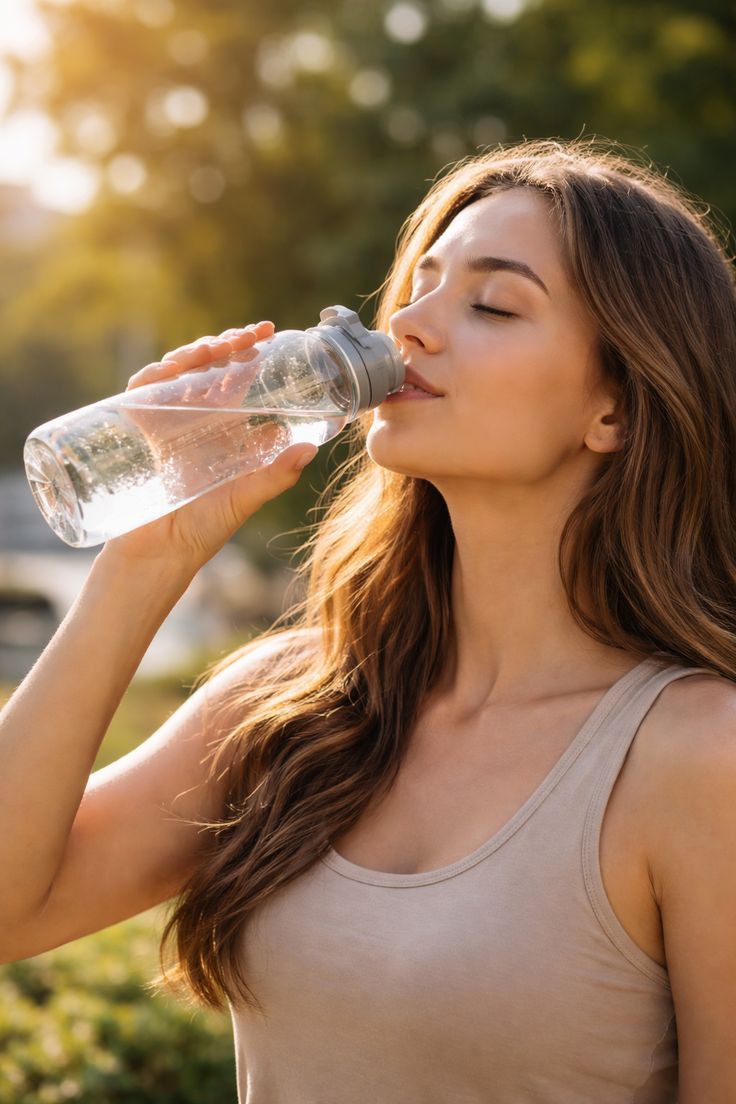
Photo: Pinterest
Dry, chapped lips and dry skin can also be signs that your body needs more fluids. Although skin dryness can result from other factors, including weather conditions and skincare habits, it may occur alongside other symptoms of dehydration. Looking at several signs together provides a better indication of your hydration status than relying on a single symptom.
When to Seek Medical Care
Most cases of mild dehydration improve after replacing lost fluids. However, persistent dizziness, confusion, fainting, rapid heartbeat, an inability to keep fluids down or signs of severe dehydration require prompt medical attention. Young children, older adults and people with chronic medical conditions are at a higher risk of complications and should be monitored closely during periods of extreme heat.
Drinking water regularly throughout the day, especially before, during and after spending time outdoors or exercising, can help maintain healthy hydration levels during summer. Your fluid needs vary depending on your age, activity level, health and the climate, so pay attention to your body’s signals rather than waiting until you feel very thirsty


Celebrity News2 days ago
Selena Gomez Sued by Investors Over Mental Health Startup

Bags2 days ago
Dua Lipa Takes an Oversized Chanel Bag Through JFK

Celebrity Style2 days ago
Taylor Swift Steps Out in ‘Lavender Haze’ for Her First Solo Appearance



-

 BET Awards2 months ago
2026 BET Awards: The Complete List of Winners
-

 BET Awards2 months ago
The Best Looks From the 2026 BET Awards
-

 Beauty1 month ago
How to Prep Your Skin for a Clean, Long-Lasting Glam Look This Summer
-

 Fashion1 month ago
All the Celebrities Seen at Chanel’s Fall 2026 Couture Show
-

 Celebrity Style1 month ago
Zendaya Opens The Odyssey Press Tour With Ancient Greece in Mind
-

 Fashion1 month ago
The Best Street Style Moments from Fall 2026 Couture Week
-

 Wellness1 month ago
Reasons to Eat Bananas More Often
-

 Celebrity Style2 months ago
The Best-Dressed Stars of June