
Music
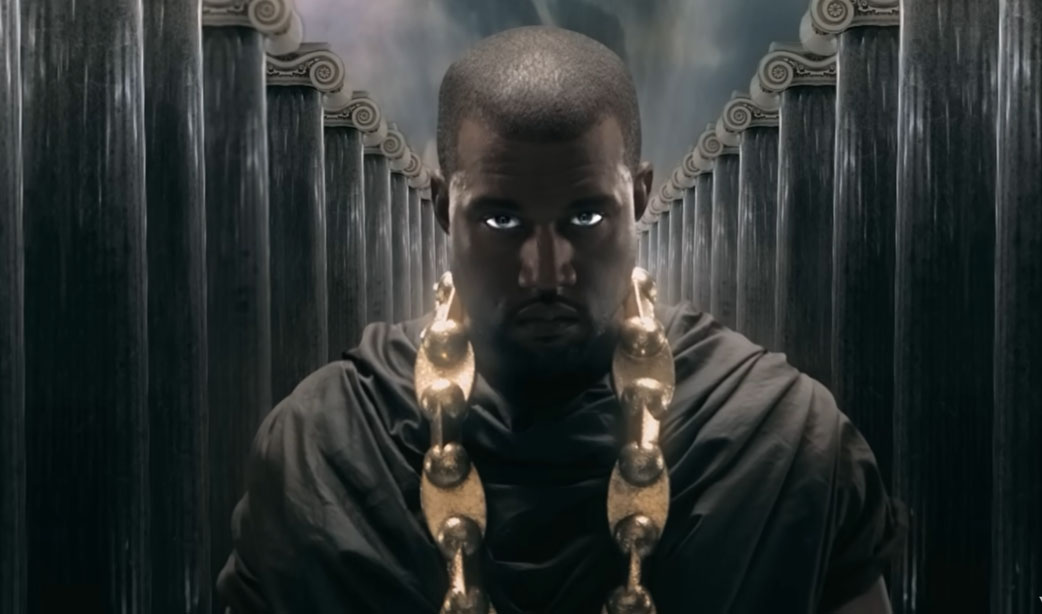
Kanye West – Power



Taylor Swift’s “Patient Zero” arrived with the kind of immediate commercial response that has become familiar in her career, but the critical reaction has been considerably less consistent. Released September 25 as part of The Life of a Showgirl: The Encore, the song quickly set two Spotify records for 2026. It became the platform’s most-streamed song by a female artist in a single day this year, while Swift became 2026’s most-streamed female artist in a single day.

Photo: YouTube
“Patient Zero” is one of four new songs on The Life of a Showgirl: The Encore, an expanded edition of Swift’s 2025 album. The other additions are “Cleveland!,” “Pink Clouding” and “Babylon.” Swift wrote the songs with producers Max Martin and Shellback during a trip to Sweden celebrating the success of the original album.
The song takes its title from the language of disease and applies it to a toxic relationship. Swift addresses the new partner of a man she has previously dated, warning her about behavior she has already experienced. The premise gives the song a direct, conversational approach, with Swift positioning herself as someone who has already survived the relationship and knows what may come next.
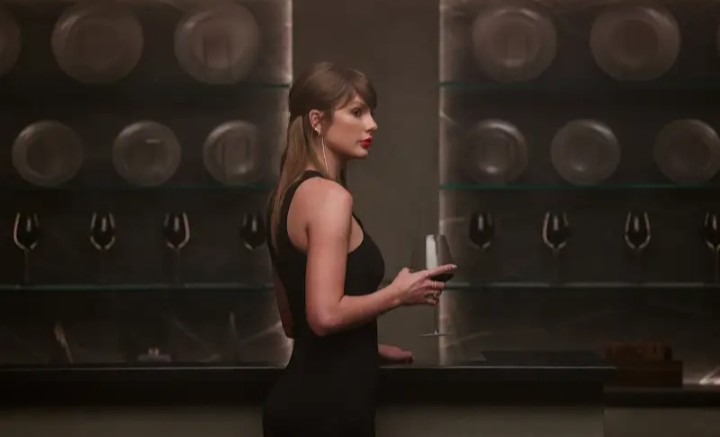
Photo: YouTube
That concept has not translated into universal praise. Some reviewers have found the idea interesting but argued that the song does not give the subject enough emotional weight. One review criticized its production and lyrics as lacking depth, while another assessment of the four-song expansion argued that “Patient Zero” and “Cleveland!” lack the nuance associated with some of Swift’s earlier songwriting.
Other reactions have been more positive. Some listeners have found “Patient Zero” increasingly effective after repeated listens, suggesting that its appeal is not necessarily immediate. That divide has become part of the song’s story: its streaming numbers indicate strong audience interest, while the reviews question whether the music itself matches the scale of that response.

Photo: YouTube
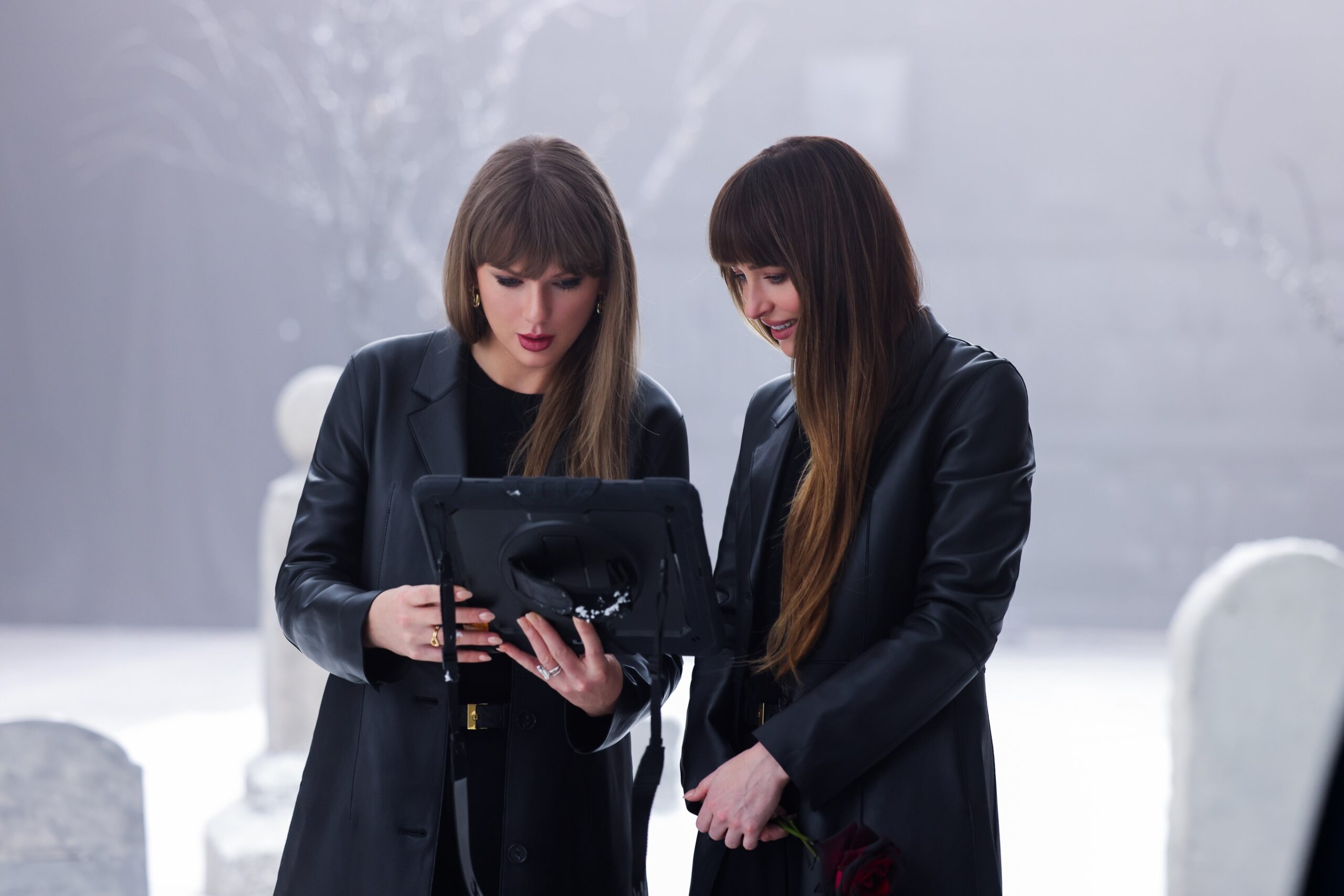
The song also received a major visual treatment. Swift premiered the “Patient Zero” music video at the 2026 MTV Video Music Awards, where she received the inaugural Artist Director Honors. Directed by Swift, the video stars Dakota Johnson and Colin Farrell and turns the song’s relationship warning into a darker story involving betrayal, death and a ghostly connection between two women linked to the same man.
The video gives the song another layer, but it does not resolve the central disagreement surrounding the release. “Patient Zero” clearly has the audience reach to make an immediate impact, yet its critical reception shows that commercial attention and artistic approval are not always the same thing.
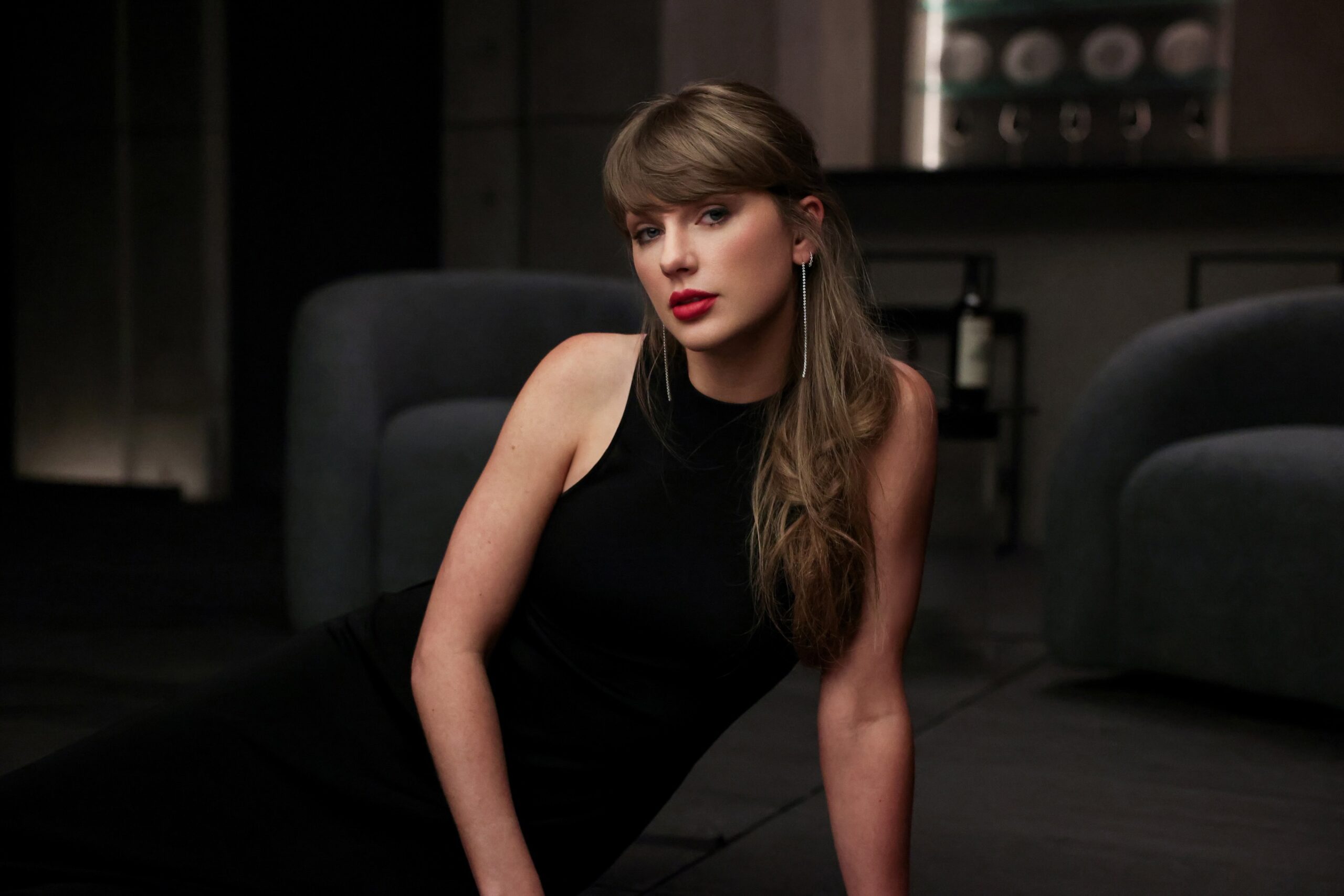
Photo: YouTube
For Swift, that distinction is particularly noticeable. The new song has already produced major streaming numbers, extensive discussion and a high-profile music video. Whether it ultimately becomes a lasting favorite will depend less on its first-day records and more on whether listeners continue returning to it after the initial excitement of another Taylor Swift release has passed.

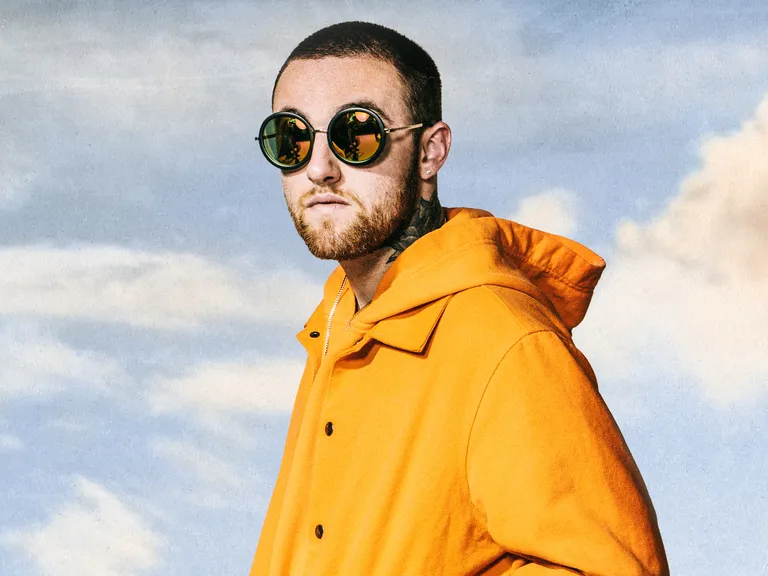
Mac Miller’s estate has released three previously unreleased songs to mark the 10th anniversary of The Divine Feminine, the rapper’s fourth studio album. The expanded edition arrived on October 2, 2026, adding “Grand,” “Channel 13” and “Butterflies” to the original 10-track project.
Originally released on September 16, 2016, The Divine Feminine explored love, intimacy and relationships through a mix of hip-hop, R&B and neo-soul. The album marked a shift in Miller’s sound, with more singing and melodic arrangements alongside his established rap style.

Photo: Instagram/@macmillermemior
Of the three additions, “Butterflies” was released ahead of the anniversary edition in August 2026. The neo-soul track features bass from Thundercat and was produced by Taylor Graves. The song had circulated online before its official release, making the anniversary edition an opportunity for the recording to reach listeners through an authorized release.
The original album included collaborations with several established artists. Anderson .Paak appeared on “Dang!,” Ariana Grande joined Miller on “My Favorite Part,” Ty Dolla $ign featured on “Cinderella,” and Kendrick Lamar appeared on “God Is Fair, Sexy Nasty.” Other contributors included CeeLo Green, Bilal and Njomza.

Photo: Instagram/@macmillermemior
The anniversary edition retains the original tracklist and places the three additional recordings at the end. It is also available as a three-LP vinyl release, with specially designed inner sleeves and an art print.
The anniversary also includes The Divine Feminine Live, a special based on a 2016 television series originally broadcast on DirecTV. The program was scheduled to stream on Miller’s official YouTube channel on October 2, offering viewers a chance to revisit performances associated with the album.
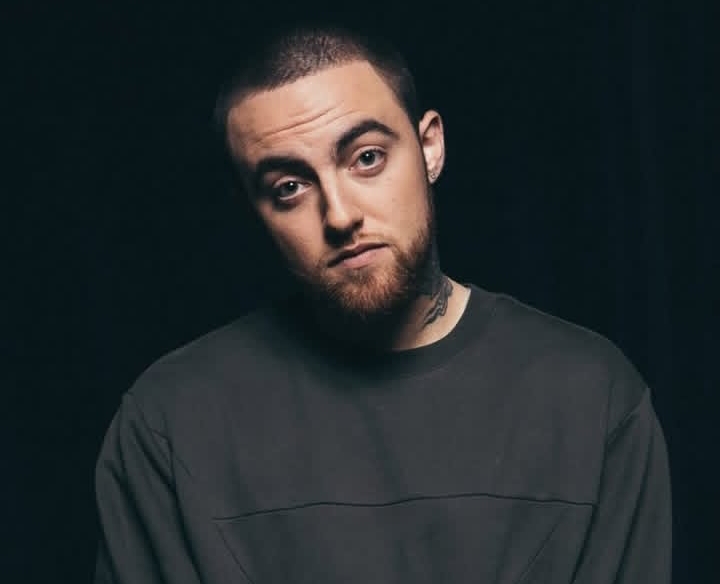
Photo: Instagram/@macmillermemior
Miller died in September 2018 at age 26. Since his death, his estate has released several projects, including Circles in 2020 and Balloonerism in 2025. The GO:OD AM 10th-anniversary edition also arrived in 2025 with additional recordings.
With the release of “Grand,” “Channel 13” and “Butterflies,” the anniversary edition adds to the available recordings from the sessions behind The Divine Feminine. It also gives listeners a chance to revisit an album that explored a more melodic, relationship-focused direction in Miller’s music.

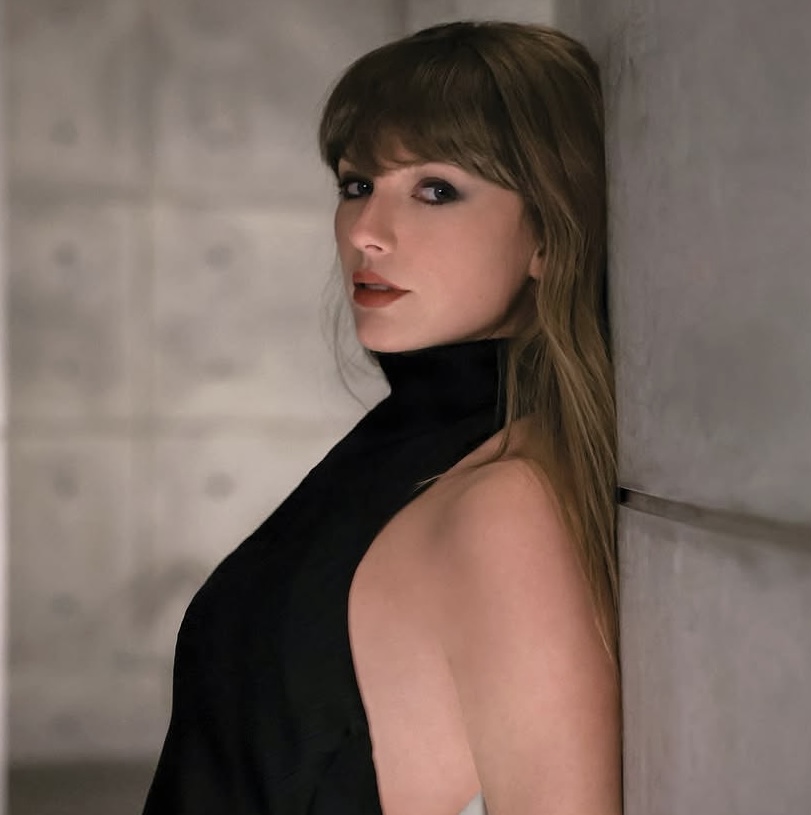
Taylor Swift returns with a new single titled “Patient Zero,” which will be released this Friday, September 25. Swift made the announcement on Instagram, writing
“I’ve been impatiently waiting to tell you that my brand new single “Patient Zero” will be out on September 25 and it’s available to preorder now on my website for 24 hours.”
The singer’s website is also selling three limited-edition CDs of the single, with one featuring the standard version, while the other two come with acoustic and piano versions of the song.
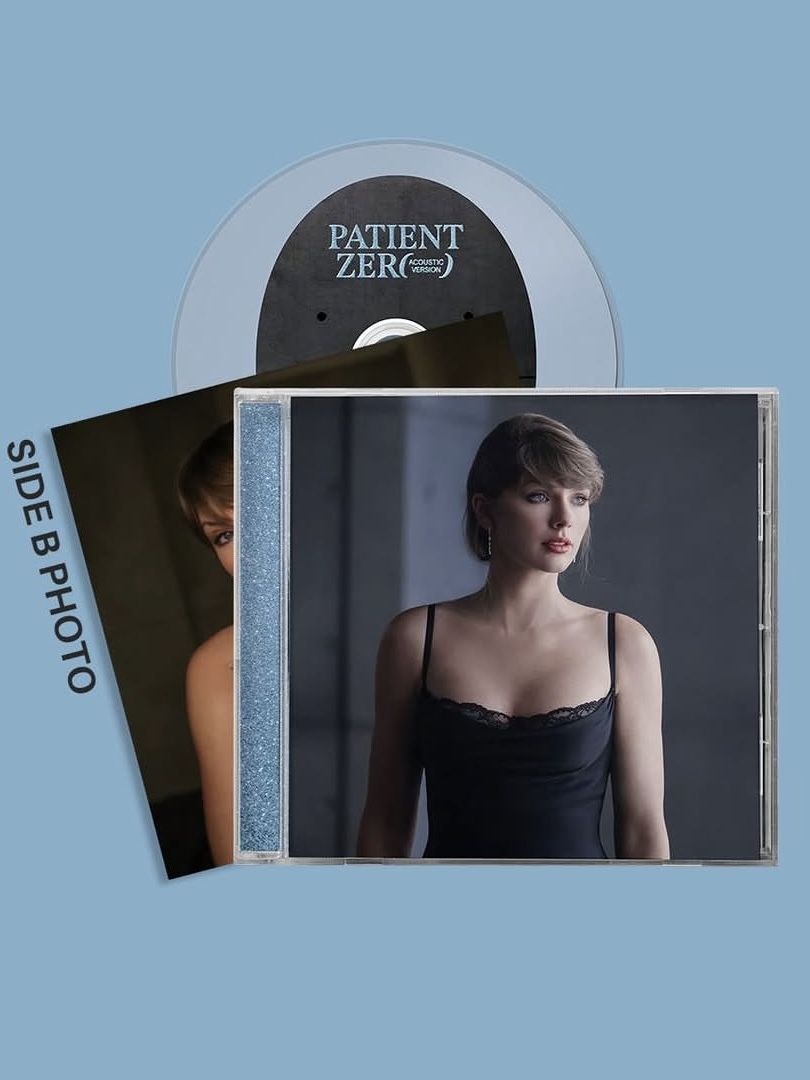
Photo: Taylorswift.com
Of course, Swift had already been leaving clues before announcing the song. Her Instagram bio was changed to read, “And, baby, that’s sh0w business f0r y0u,” with the letter “o” replaced by the number zero. Similar changes were also spotted in the lyrics for “The Life of a Showgirl,” which sent fans looking for a connection between “Patient Zero” and the album.
The connection is not clear yet, but there are several signs pointing back to The Life of a Showgirl. The album’s logo appears on the page where fans can purchase the physical “Patient Zero” editions, while the single’s release also comes nearly a year after the album arrived. However, Swift has not said whether the song is part of a deluxe edition of The Life of a Showgirl or a separate project.
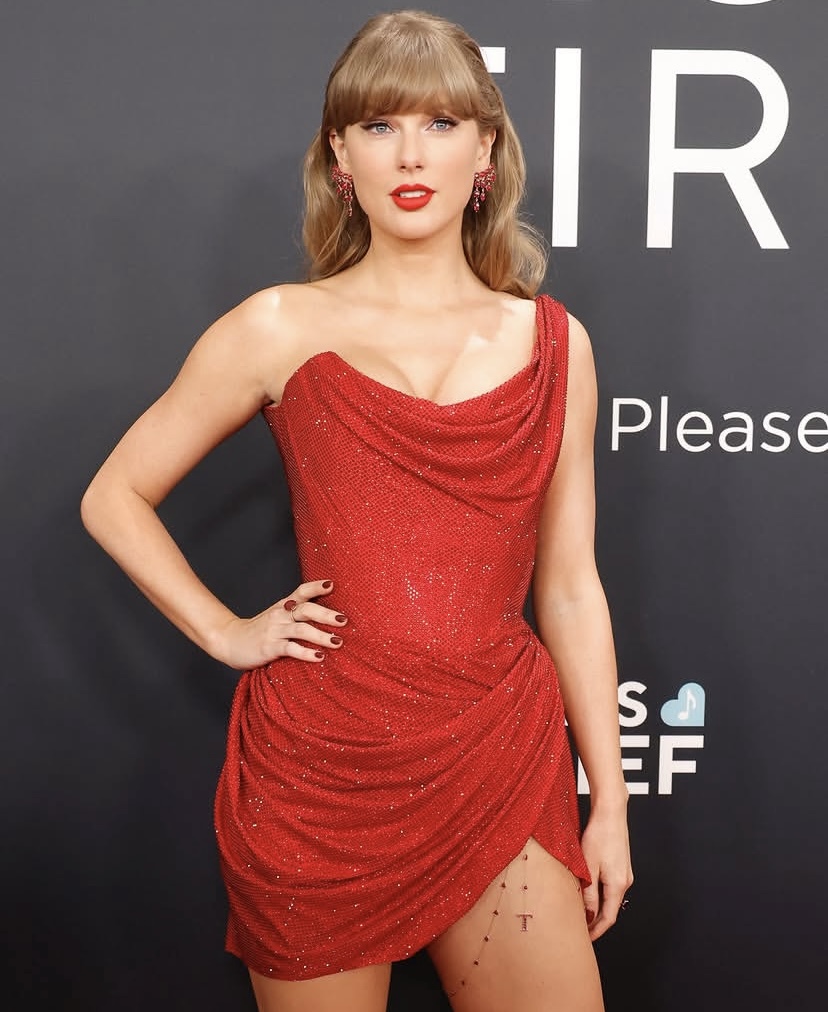
Photo: Getty Images
The new single “Patient Zero” will be Swift’s first release since she married Travis Kelce on July 3 and will also be her second release of the year. Her first came in June, when she released “I Knew It, I Knew You” for the Toy Story 5 soundtrack.
Before Swift announced the new song, MTV announced on Monday that she will receive the inaugural Artist Director Honors at the 2026 MTV Video Music Awards. According to a press release, the new award recognizes artists whose work behind the camera has helped expand music video and visual storytelling. Swift is also nominated for nine awards at this year’s ceremony, which takes place on September 27.
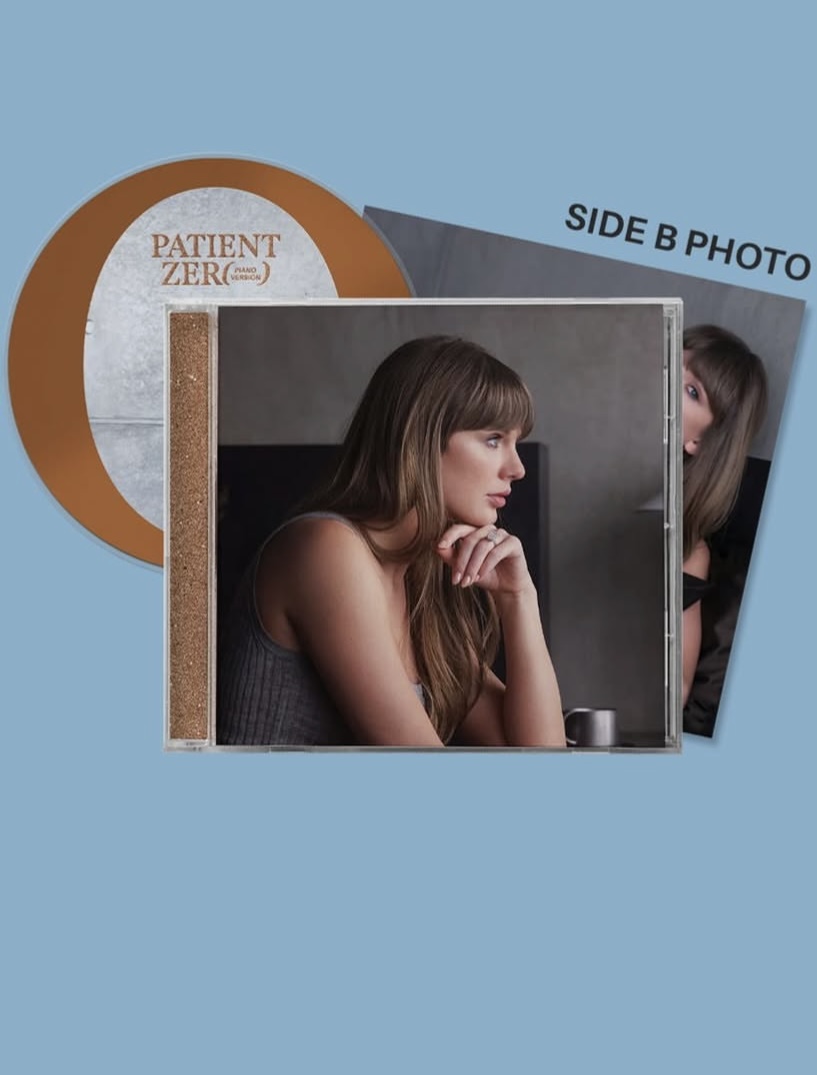
Photo: Taylorswift.com
Meanwhile, fans are still holding onto the theory that Swift could be preparing to release Taylor Swift (Taylor’s Version) to mark the 20th anniversary of her 2006 debut album. Swift has not confirmed that project, and “Patient Zero” has not been officially announced as part of it.


7 Trends You’ll See Everywhere This Fall

Jada Pinkett Smith Asks Court to Order Psychological Evaluation of Will Smith’s Ex-Best Friend

Chris Brown Accused of Making Death Threats Against Ex Diamond Brown’s Boyfriend



-

 Netflix1 month ago
Psychological Thriller Movies to Watch on Netflix This September
-
 Music2 months ago
Madonna and Taylor Swift Lead 2026 MTV VMA Nominations
-

 Celebrity News1 month ago
Dolly Parton Dies at 80
-

 Movies2 months ago
Marvel’s New ‘X-Men’ Movie: Everything We Know So Far
-
 Movies1 month ago
Matthew McConaughey and Woody Harrelson Reunite in ‘Brothers’ Trailer, Giving Fans Exactly What They Wanted
-

 Celebrity News2 months ago
Justin Bieber Shares a Glimpse of His Summer, Including PDA With Hailey
-
 Celebrity News2 months ago
Hayden Panettiere Dies at 36: What to Know About the ‘Scream 4’ Actress
-

 Wellness1 month ago
Foods That May Help You Sleep Better