Meta has introduced a new pair of smart glasses without a camera, giving consumers an audio-only option as concerns continue over the use of camera-equipped smart glasses to record people without their consent.
The new Ray-Ban Meta Audio glasses are the company’s first audio-only smart glasses. They feature open-ear speakers, microphones and Meta AI, but no camera or display. Users can listen to music and podcasts, make calls and interact with Meta AI without reaching for their phones.
The launch follows growing scrutiny of camera-equipped smart glasses, including concerns about people being filmed without their knowledge. Reports highlights cases involving so-called pickup artists using the glasses to covertly record people and publish footage online. Some venues in the UK have also restricted camera-equipped smart glasses because of privacy concerns.
Meta, however, has not removed cameras from its smart-glasses range. Alongside the camera-free model, the company has introduced the Ray-Ban Meta Gen 3, which retains its camera while bringing new designs, longer battery life and additional privacy measures.
Weighing just over 43 grams, the Ray-Ban Meta Audio glasses are Meta’s lightest smart glasses to date. They are available in Clubmaster and Burbank styles, with Burbank offered in two sizes. Unlike Meta’s camera-equipped glasses, the new model has no camera, display, battery or sensors in the nose bridge.
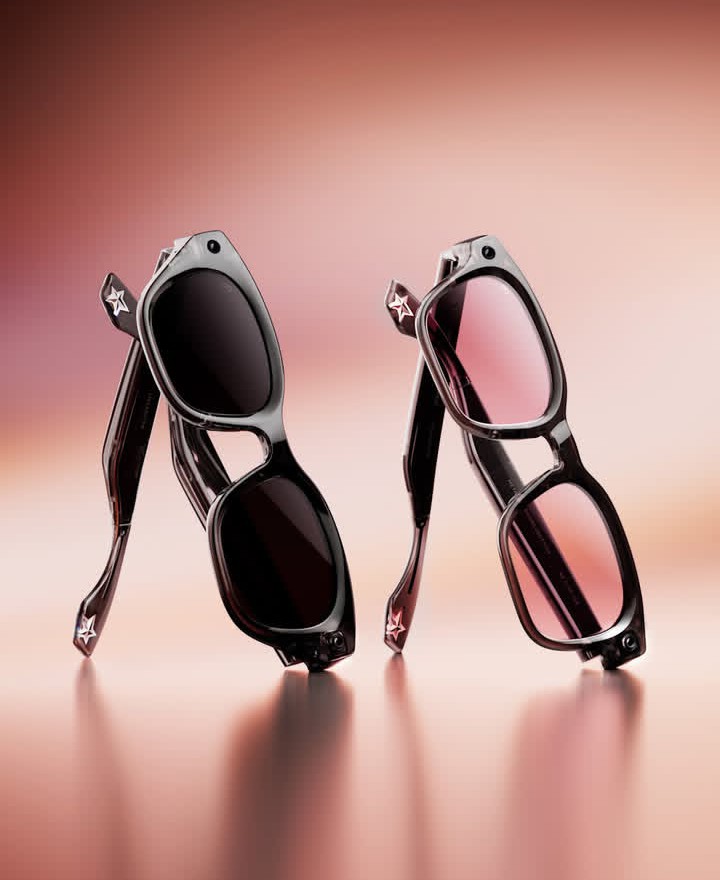
Photo: Meta
Meta says the glasses can last for up to 12 hours on a single charge, while the charging case provides up to another 48 hours. Their built-in microphones support calls and conversations with Meta AI, while the open-ear speakers are designed for music and podcasts.
Without a camera, however, the glasses cannot use visual information from the wearer’s surroundings. Users can interact with Meta AI, but the glasses cannot identify or analyse something simply because the wearer is looking at it.
Meta’s vice president of wearables, Alex Himel, said the audio-only glasses had been in development for around two years. He said audio features such as calls, music and podcasts had been popular with users of Meta’s smart glasses, while the company sees an always-available AI assistant as an important use for wearable technology.
The Ray-Ban Meta Audio glasses will be available from October 13, starting at $349 in the US and £319 in the UK.
For users who want a camera, Meta has introduced the Ray-Ban Meta Gen 3. The new generation comes in Aviator and Zena styles, with Zena introducing a cat-eye silhouette. A limited-edition Aviator also marks Ray-Ban’s 90th anniversary, with a milky beige finish and brown transition lenses.
The Gen 3 glasses are slimmer than the previous generation and feature adjustable temple tips. Battery life has increased from eight hours on Gen 2 to nine hours, while a new six-microphone array is designed to improve calls and Meta AI voice commands in noisy environments. A customisable action button provides quicker access to selected features.
The glasses retain a 12-megapixel camera capable of recording 3K video. Meta has also announced Dolby Atmos video capture, which is due to arrive later this year.
Privacy safeguards have also been updated. A white capture LED indicates when the camera is taking a photograph or recording video. Meta says the camera will stop working if it detects that the indicator has been covered, physically tampered with or destroyed. The company has also said it will disable accounts found to have posted content created after tampering with the recording indicator.
Meta is also working on processing more functions directly on its smart glasses instead of sending the information to its cloud servers. The company plans to begin with features such as live translation before expanding on-device processing to other functions.

Photo: Instagram/@kyliejenner
The smart-glasses range is also expanding through fashion collaborations. Following its partnership with Kylie Jenner, Meta has unveiled two styles created with Blackpink’s Lisa: the Meta Adventurer Lisa Edition and Meta Capri Lisa Edition.
The Lisa editions feature special details including stars on the cases and temple tips, customised case charms inspired by her pets and digital photocards that can be unlocked through the glasses. The accompanying charms are available as blind-box collectibles, with 14 designs and two ultra-rare versions. The Lisa glasses start at £269 and are available to buy now.
Meta is also introducing a new ivory colourway of Kylie Jenner’s Starfire style, starting at $399. The company says its AI smart-glasses portfolio across Ray-Ban, Oakley and Meta will comprise more than 100 options by the end of the year, covering different frames, colours and lenses.
Meta has also unveiled Meta VR Glasses, a separate virtual-reality device priced at $1,300 and scheduled to launch in spring 2027. The 100-gram device places much of its computing hardware and battery in a separate clip-on puck connected to the glasses by a cable. Meta is positioning it for entertainment, including Disney, IMAX, YouTube, live sports and 3D films, as well as gaming and virtual workspaces.
The Ray-Ban Meta Audio therefore adds a camera-free option to Meta’s smart-glasses portfolio rather than replacing the camera-equipped models. The company is continuing with both versions, offering audio, calls and AI without a camera on the new model while developing its camera-equipped glasses with updated hardware and privacy controls.








 Netflix3 weeks ago
 Fashion2 months ago
 Bags1 month ago
 Beauty2 months ago
 Tv Shows2 months ago
 Beauty1 month ago
 Music2 months ago
 Music1 month ago