Wellness
Understanding the Connection Between High Cholesterol and Unexplained Weight Gain

Weight gain can occur for different reasons and the most popular one is overeating your calories, or simply taking in more calories than you burn. But there are some cases where the weight gain is unexplainable, you might be eating healthy, and even exercising, but you still cannot explain the weight gain.
This is where underlying health factors come in. And when we look at something like cholesterol, while it is often related to heart health, it can also be connected to how the body stores fat and manages energy.

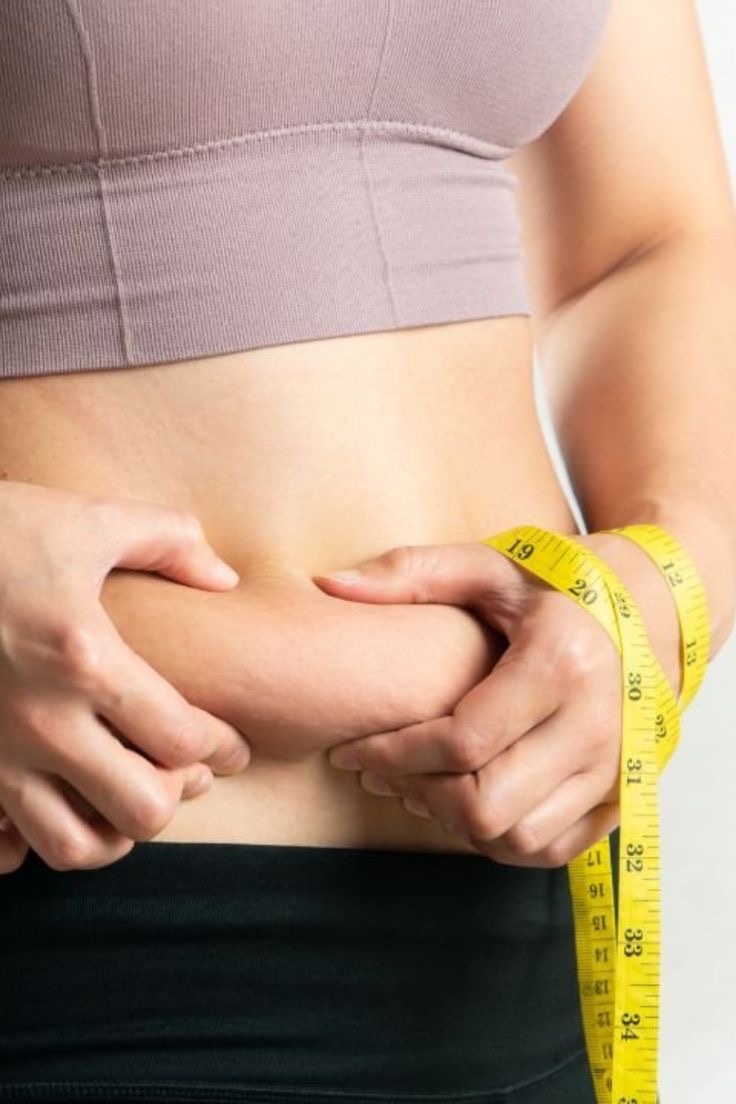
Photo: Pinterest
Cholesterol is a fat-like substance found in the blood, which is produced naturally by the liver, it is also obtained from certain foods. The body needs cholesterol to build cells and produce hormones, but having too much of it flooding the blood stream, especially low-density lipoprotein (LDL), often referred to as “bad cholesterol,” can lead to health problems. High levels of cholesterol can be caused by too much intake of saturated fats, lack of physical activity, and genetics.
The connection between high cholesterol and weight gain is how the body processes fats and sugars. Diets that raise cholesterol levels can also affect insulin sensitivity. Insulin is a hormone that helps regulate blood sugar levels, but when the body becomes less responsive to insulin, it can lead to increased fat storage. This means that even if a person is not eating excessively, their body may still store more fat than usual.
High cholesterol is also linked to metabolic changes. When the body struggles to breakdown fats properly, it can slow down metabolism. Slower metabolism means the body burns fewer calories at rest, which eventually contribute to gradual weight gain. This type of weight gain may feel “unexplained” because it happens without significant changes in diet or activity levels.


Photo: Pinterest
Stress may also play a role in this. When the body is under stress, it releases a hormone called cortisol, which affects how your body breakdown cholesterol. Cortisol can increase cravings for high-fat and high-sugar foods. Overtime, it leads to weight gain particularly around the abdominal area.
Certain foods are known to increase cholesterol levels, those high in saturated and trans fats. These include fried foods, processed snacks, fatty cuts of meat, full-fat dairy products, and baked goods made with hydrogenated oils. Regular consumption of these foods can lead to a buildup of cholesterol in the body. At the same time, these foods are often calorie-dense, which can contribute directly to weight gain.


Photo: Pinterest
However, while high cholesterol does not directly cause weight gain, the factors that lead to high cholesterol can also contribute to changes in body weight. By paying attention to diet, hormones, and lifestyle habits, it becomes easier to understand and manage unexplained weight gain.
In cases where high cholesterol is linked to heredity, meaning it is passed down genetically, regular check-ups become very important for monitoring and management. Guidance from a dietitian can also help in planning meals that support healthier cholesterol levels.