Beauty
Why More Women Are Turning to Oils for Thinning Hair

Hair oils have always been part of many women’s hair care routines, but recently, they are becoming popular for their potential benefits for thinning hair. From rosemary, castor oil, and pumpkin seed oil, different oils are being used by women hoping to improve the appearance of their hair, reduce breakage and encourage growth. Many are also adding them to their regular hair care routines as part of their scalp treatments.
However, while some hair oils are often associated with hair growth, not all of them have been clinically proven to stimulate new hair. According to board-certified dermatologist Dr. Marisa Garshick, rosemary oil and pumpkin seed oil have some preliminary research supporting their potential benefits. She also notes that it is important to understand what each oil can do before adding it to a hair care routine.
Hair thinning occurs when the hair becomes less dense, making the scalp more visible or the hair appear less full than before. It can happen gradually or become noticeable over a shorter period, depending on the cause. Genetics, hormonal changes, nutritional deficiencies, certain medical conditions and stress can all contribute to hair loss. But it is important to note that not every case of thinning is caused by a reduction in hair growth, as breakage from excessive heat styling, chemical treatments and tight hairstyles can also leave the hair looking thinner.
With that in mind, here are some hair oils that have gained attention for their benefits in terms of thinning hair.
Pumpkin Seed Oil

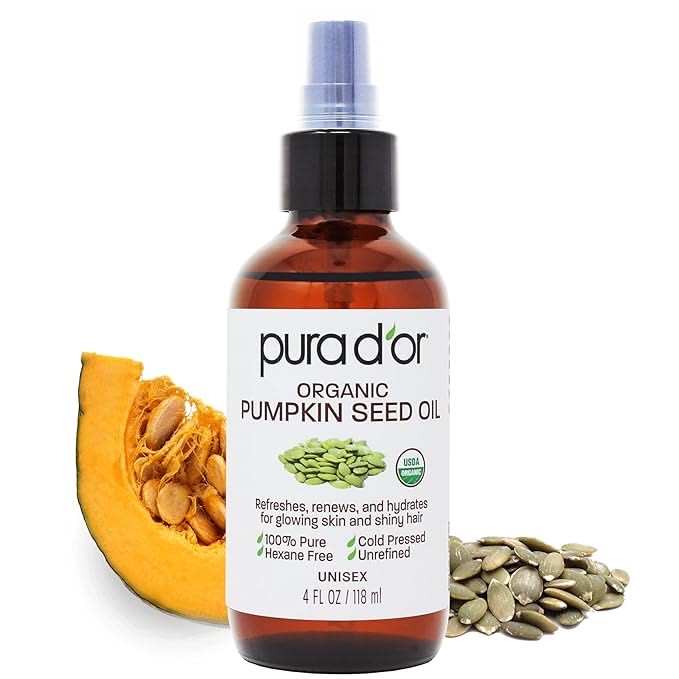
Photo: Pinterest/@ Amazon
Pumpkin seed oil is known for playing a key role in hair growth. It contains fatty acids and plant compounds, including beta-sitosterol, which have been studied for their possible effects on dihydrotestosterone (DHT), a hormone associated with pattern hair loss.
Some findings suggested that pumpkin seed oil may have a role in supporting hair growth. However, the research focused on oral supplements rather than applying the oil directly to the scalp, so it remains unclear whether topical use would produce similar results.
Castor Oil
Castor oil is a popular ingredient in many hair growth mixtures and scalp treatments, particularly because of its moisturizing properties. It is rich in ricinoleic acid, a fatty acid known for its ability to help condition the skin and hair strands. According to Garshick, castor oil may help reduce dryness and breakage, which can make the hair appear thicker and healthier over time. However, she also notes that there is currently no strong scientific evidence showing that castor oil directly affects hair growth, although it can help nourish the hair and scalp.
Rosemary Oil

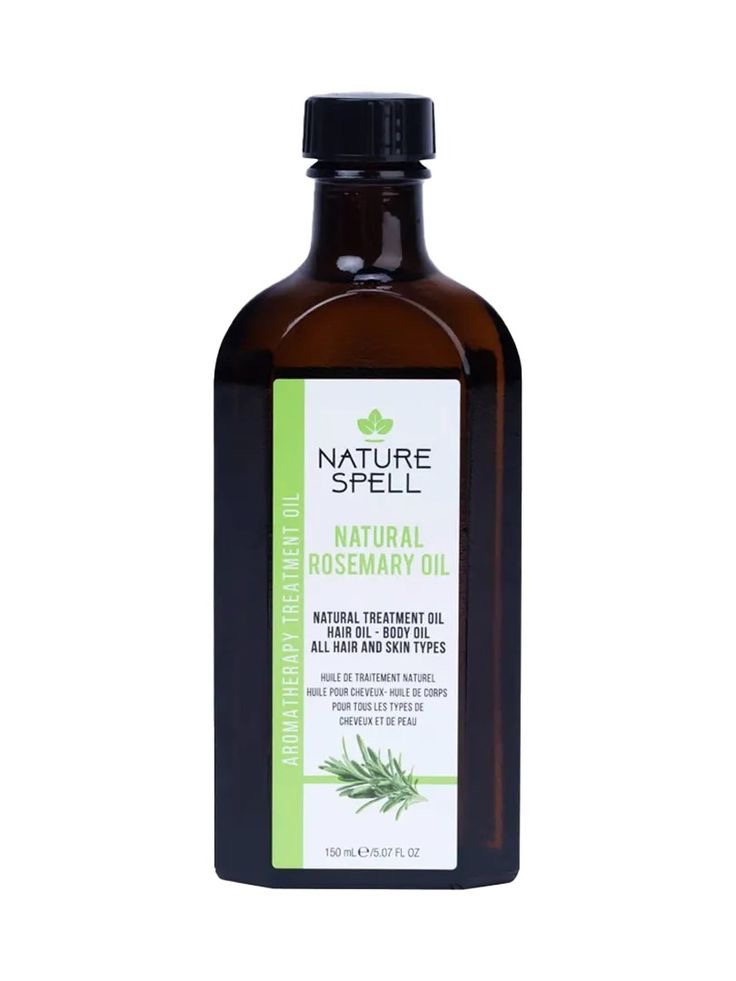
Photo: Pinterest/@British Vogue
Rosemary oil contains antioxidant and anti-inflammatory properties that are believed to support scalp health, while some research suggests it may help with certain forms of hair loss.
A 2015 study published in the Skinmed journal compared rosemary oil with 2% minoxidil, a commonly used hair loss treatment. The study followed 100 men with androgenetic alopecia, a common form of pattern hair loss, over six months. Both groups experienced an increase in hair count by the end of the study, with no significant difference between the two treatments. Although the findings offer some support for rosemary oil, further research is needed, particularly to understand its effectiveness in women.
Other options include argan and avocado oils, which are mostly used to improve the condition of the hair rather than directly encourage new growth. Argan oil contains vitamin E and fatty acids that help moisturise the strands and reduce dryness, while avocado oil is also used to condition dry and fragile hair. Although neither has been proven to stimulate hair growth, both can help reduce breakage and improve the appearance of the hair.

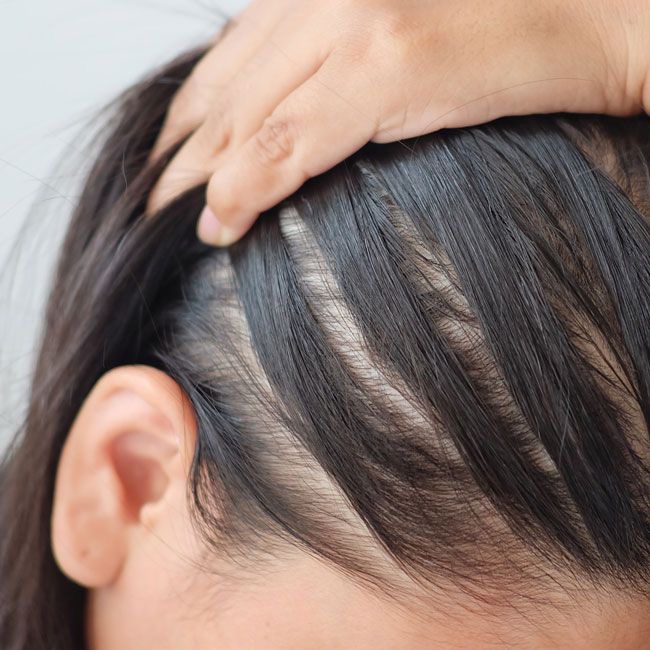
Photo: Pinterest/@SHEfinds
For women experiencing thinning, this can still be beneficial. Hair that breaks easily may struggle to retain length, making it appear less full. Using conditioning products, including oils and shampoos formulated to help reduce breakage, can support the hair and help it retain more of its existing length.
It is also important to understand that hair thinning can have different causes, and the oil that works for one person may not produce the same results for another. The American Academy of Dermatology recommends seeing a dermatologist to determine the cause of hair loss, as different conditions require different treatments.
There are also a few things to consider before using hair oils. Essential oils, including rosemary oil, should be diluted with a carrier oil before being applied to the scalp, as using them undiluted can cause irritation. Some oils may also cause allergic reactions or product buildup, while certain ingredients can worsen existing scalp conditions. It is therefore important to use them as directed and pay attention to how the scalp responds.
While hair oils can be useful for moisturising the scalp, conditioning the strands and reducing breakage, their benefits depend on the ingredients and the cause of the thinning. For women looking to improve their hair’s appearance, they can be a helpful addition to a regular hair care routine, but they should not replace professional advice or treatments when hair loss is persistent.