Beauty
The Truth About Hair Growth Serums

From dermatologist-recommended formulas to viral TikTok products, hair growth serums have become a popular part of the hair-care market. But behind the claims of thicker-looking hair and reduced shedding is a more nuanced reality: some formulas support scalp health, while others have stronger evidence for improving hair growth.


Photo: Pinterest/@UNITE hair
Not every serum is built to regrow hair, and those that are may not produce the same results for everyone. The outcome depends on several factors, including the ingredients in the formula, the underlying reason for hair thinning, and how consistently the product is used over time.
Scalp care is increasingly being approached with the same attention as skincare, with brands developing formulas focused on supporting hair follicle health, maintaining scalp health, and strengthening the hair. Still, experts emphasize that results are not immediate. Hair growth follows a slow biological process, and noticeable improvements often require consistent use over time.
Do Hair Growth Serums actually Work?

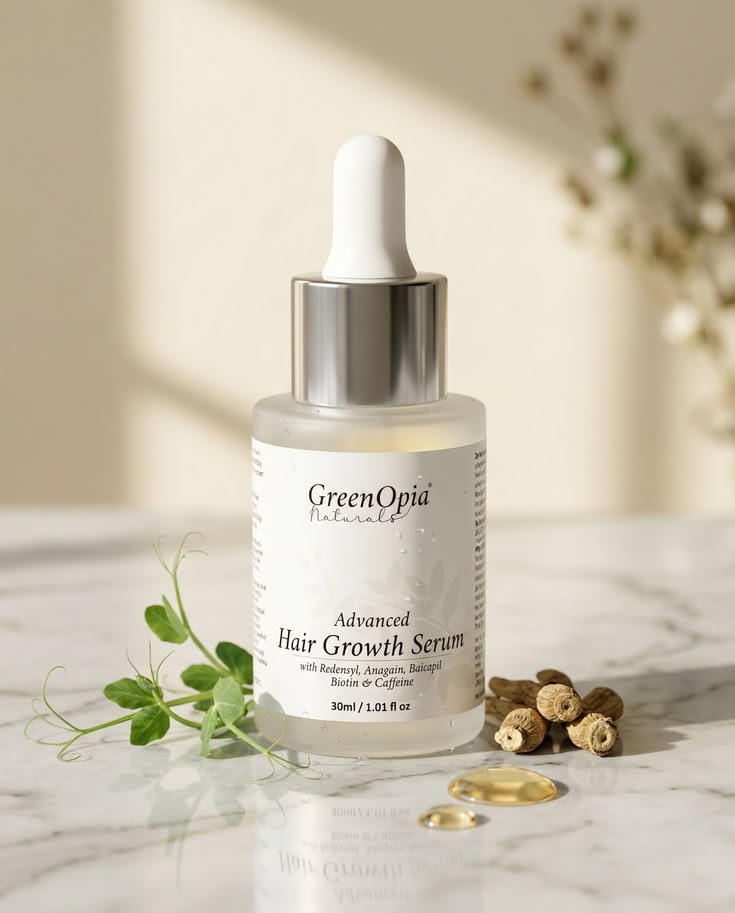
Photo: Pinterest/@ Greenopia
It depends on what you mean by “work.” Some serums can help maintain a healthy scalp by reducing dryness, excess oil, or irritation, strengthen the hair you already have, and reduce breakage. That can make hair look fuller. Only a handful of ingredients have solid clinical data for true regrowth.
Topical minoxidil is still the benchmark. “It’s the only ingredient with data showing true efficacy,” says Dr. Alexis Young, assistant clinical professor of dermatology at Columbia University Medical Center. It is thought to help keep follicles in the anagen phase, the active growth stage of the hair cycle, for longer. However, the process is gradual and requires consistent use. Once treatment is stopped, the improvements are often lost over time.
Beyond minoxidil, you’ll see peptides, caffeine, niacinamide, and botanical extracts. Peptides may help strengthen the hair at the root. Caffeine is included for its potential role in scalp circulation. Some plant-based compounds are being studied for their potential effects on hair follicles and growth.
These ingredients can help strengthen the hair shaft and reduce breakage. They are not, however, a replacement for medical treatment, and they won’t override genetic hair loss, hormonal shifts, or underlying health conditions.
Hair growth serums vs. hair oils

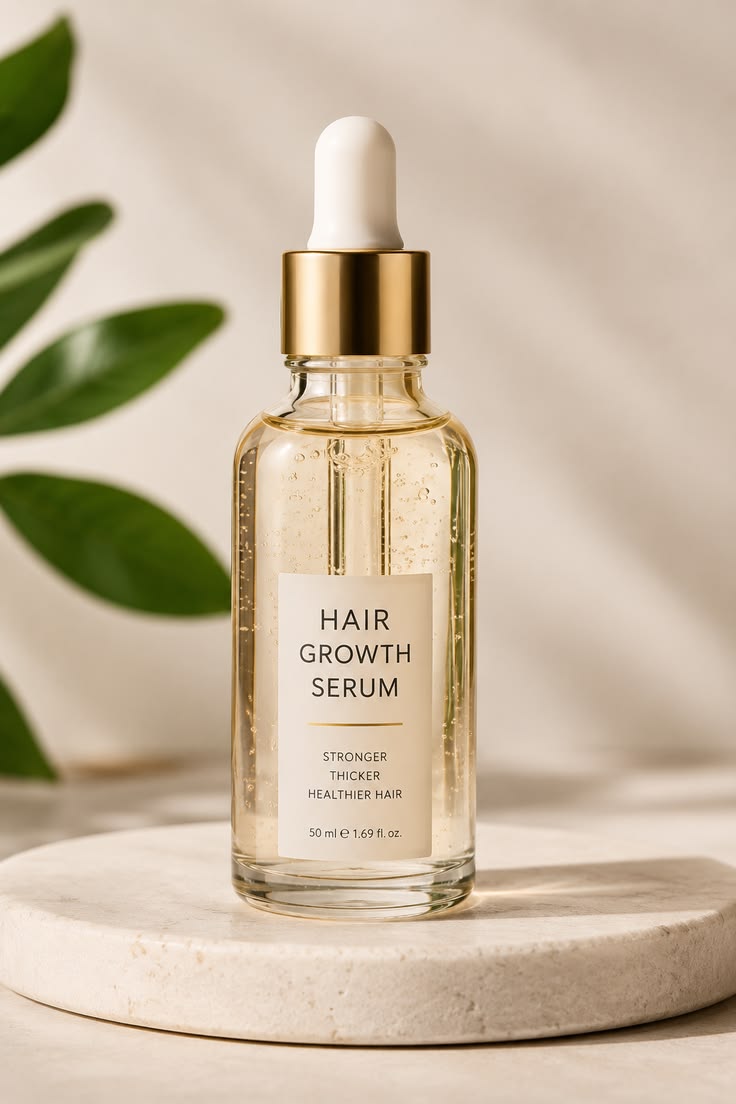
Photo: Pinterest/@ Danika Style
They are often grouped together, but they serve different purposes. Serums are lightweight and made to reach the scalp. The focus is on active ingredients that target the follicle, help reduce inflammation, or address thinning.
Oils can help smooth and protect the hair shaft, reducing dryness and breakage. They add shine, soften texture, and lock in moisture from mid-lengths to ends. They rarely contain the same clinically studied actives for growth.
How to choose the right serum
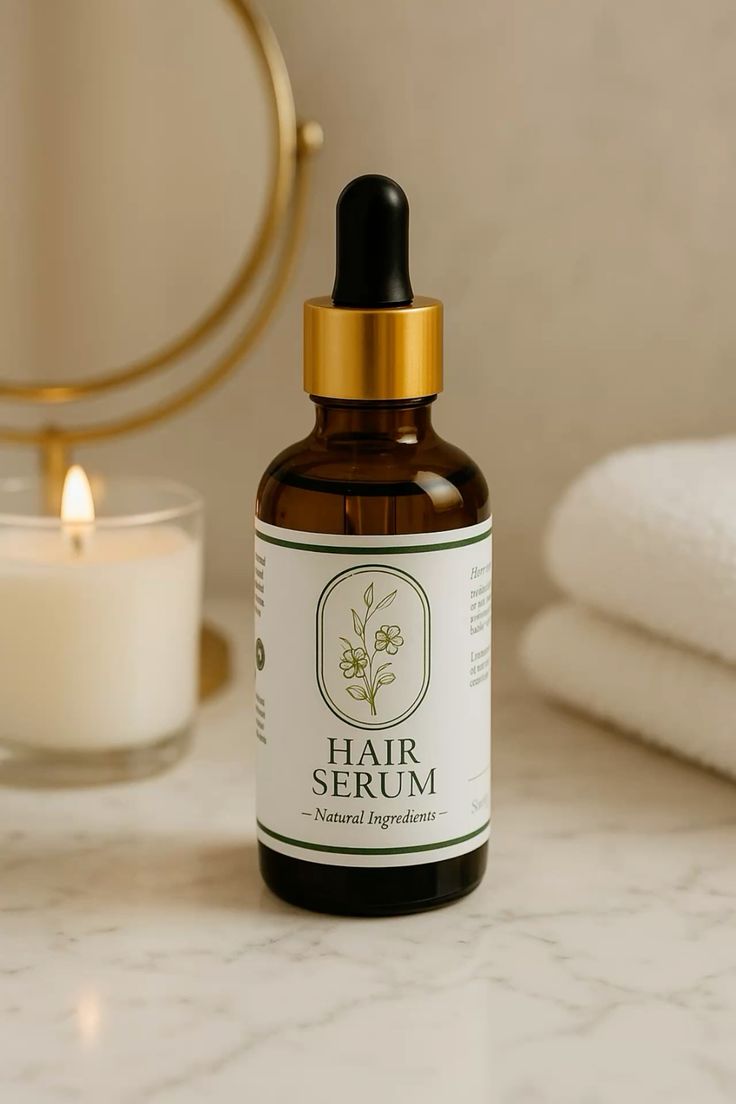
Photo: Pinterest/@ Danika Style
Start with your scalp. Fine or oily hair? Look for light, fast-absorbing formulas that won’t leave residue. If your hair is dry or textured, look for a serum that won’t leave the scalp feeling stripped, while using a separate conditioner or leave-in to provide slip and reduce friction. You may also want a lightweight option that helps maintain the scalp’s moisture barrier. For sensitive scalps, simpler ingredient lists are often a better choice, especially if fragrance or strong botanicals tend to cause irritation.
The cause matters too. Stress shedding, postpartum loss, breakage, and pattern thinning can each require a different treatment approach. If the issue has been persistent, a dermatologist can help you match the formula to the problem instead of guessing.
How to use them correctly
Because follicles live in the scalp, that’s where the product needs to go. Not on the strands. Part the hair in sections. Apply to areas of concern. Massage lightly. Some formulas call for damp hair, while others are designed for dry hair, so follow the label. More product won’t make hair grow faster. It may increase the risk of irritation and buildup. Consistency beats volume every time.