Fine lines often become more noticeable as the skin’s natural collagen, elastin, and moisture levels decline with age. While cosmetic treatments such as Botox, dermal fillers, and laser procedures remain popular for addressing wrinkles, many people rely on topical wrinkle fillers between appointments to help maintain smoother-looking skin. These products cannot replicate the results of injectable treatments, but they can temporarily reduce the appearance of fine lines and support overall skin hydration.
Unlike injectable fillers, which add volume beneath the skin, topical wrinkle fillers work on the skin’s surface. Some formulas use silicones and light-diffusing ingredients to blur the appearance of creases almost immediately, while others contain active ingredients that gradually improve skin texture and hydration over time. Their effects are generally temporary and require consistent use to maintain results.
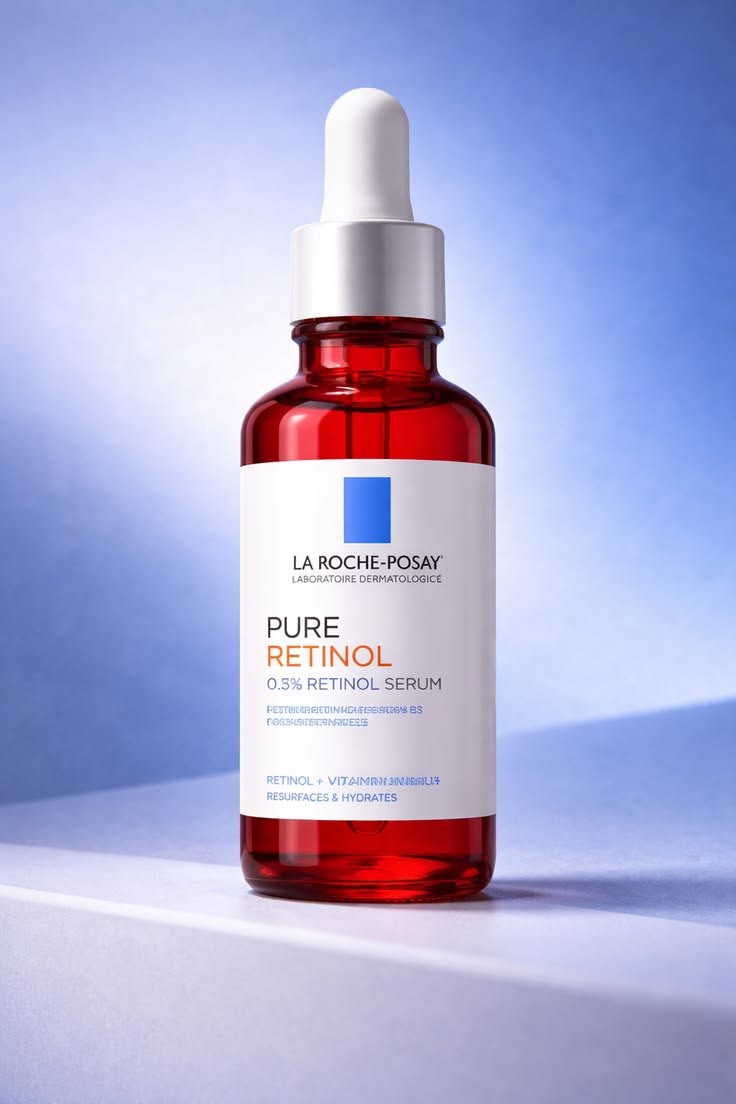
Photo: Retinol
One of the most common ingredients found in wrinkle fillers is hyaluronic acid. Known for its ability to attract and retain water, hyaluronic acid helps increase skin hydration, which can make fine lines appear less visible. This ingredient is particularly beneficial for dehydration-related lines that become more pronounced when the skin lacks moisture. Peptides are another popular addition to wrinkle-filling products. These amino acid chains support the skin’s structural proteins and are often included in formulas designed to improve firmness and reduce the appearance of expression lines over time.
Retinoids and retinol continue to be among the most researched ingredients in anti-aging skincare. Derived from vitamin A, they encourage skin cell turnover and support collagen production, helping to improve the appearance of fine lines with regular use. While prescription retinoids typically deliver stronger results, over-the-counter retinol products offer a more accessible option for those looking to address early signs of aging. Niacinamide is also frequently included in wrinkle-filling formulas because it supports the skin barrier, improves moisture retention, and works well alongside ingredients such as retinol and hyaluronic acid.
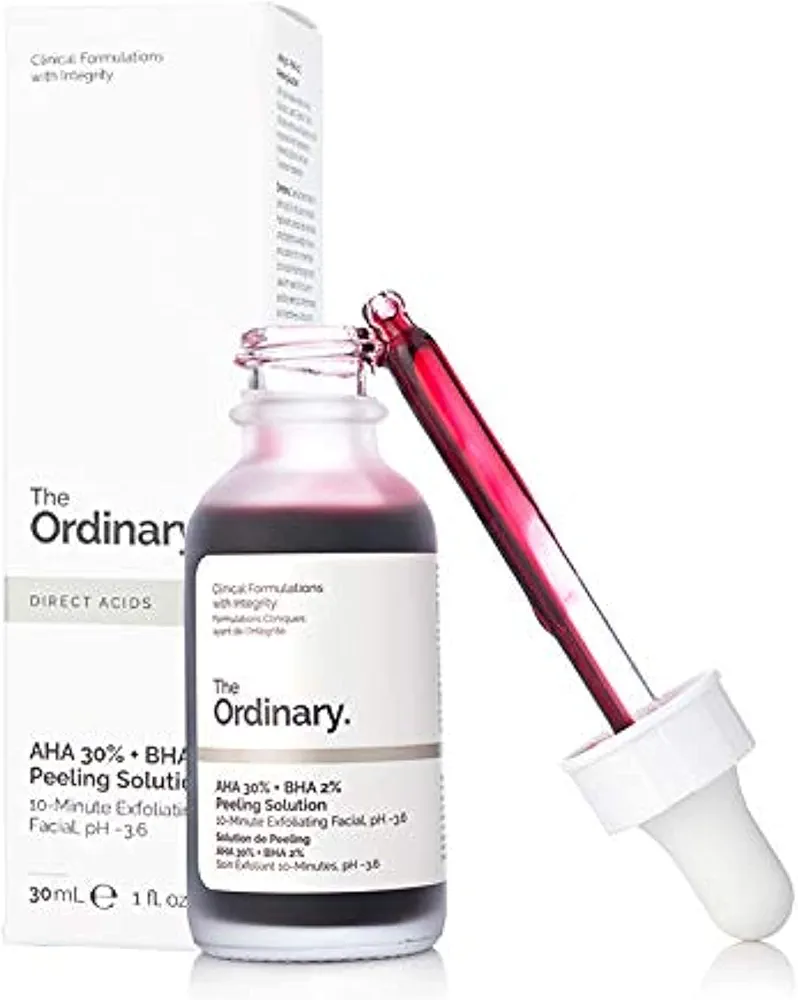
Photo: Pinterest
Several wrinkle fillers have gained recognition from dermatologists and beauty experts for their formulations. RoC Derm Correxion Fill + Treat Serum combines hydrating ingredients with technology aimed at reducing the appearance of fine lines. Eucerin Immersive Hydration Moisture Boost Serum focuses on increasing skin moisture levels, making it particularly suitable for skin that develops fine lines due to dryness. SkinCeuticals P-TIOX Anti-Wrinkle Peptide Serum contains a blend of peptides designed to support smoother-looking skin and improve elasticity.
For those seeking an immediate cosmetic effect, No7 Instant Illusion Wrinkle Filler is designed to temporarily blur the appearance of lines through surface-smoothing technology. Meanwhile, La Roche-Posay Retinol B3 Serum combines retinol, niacinamide, and hydrating ingredients in a formula developed to address fine lines while helping to minimize irritation.
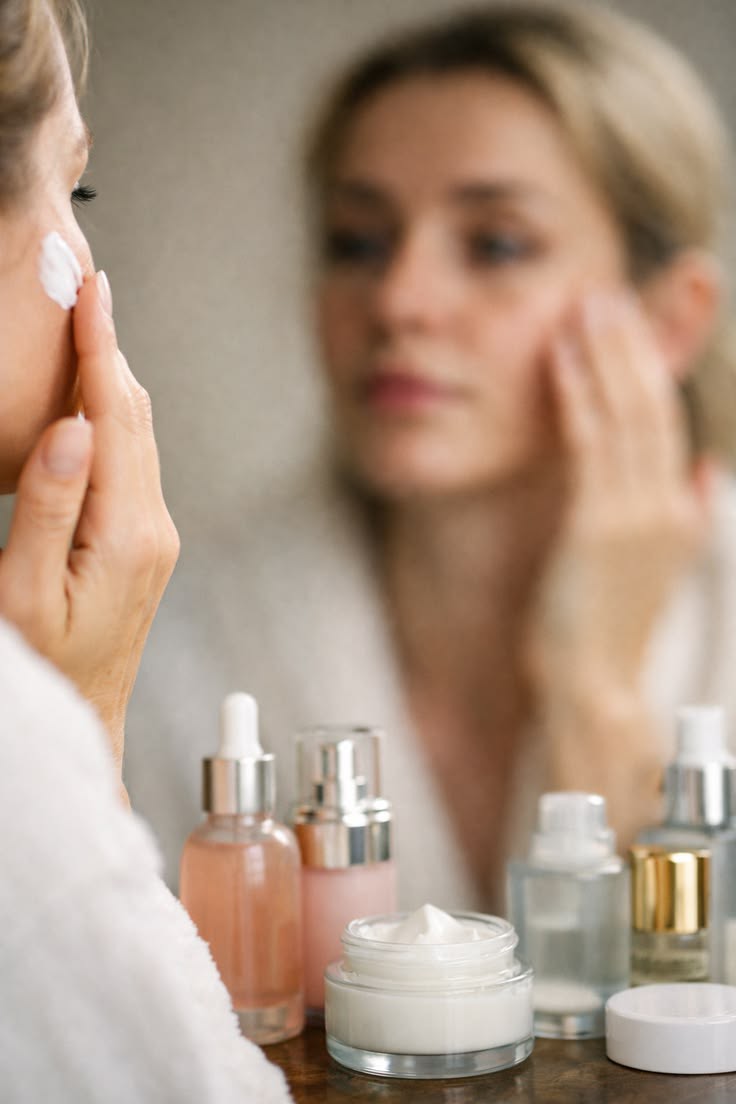
Photo: Pinterest
The results achieved with wrinkle fillers depend on both the product and the type of lines being treated. Silicone-based formulas can provide an instant smoothing effect, while ingredients such as retinol, peptides, and hyaluronic acid typically require several weeks of consistent use before visible improvements become apparent. These products tend to perform best on fine lines and early signs of aging rather than deeper wrinkles.
When incorporating a wrinkle filler into a skincare routine, application will vary depending on the formula. Serums are generally applied after cleansing and before moisturizer, while cream-based products are often used during the final stages of a routine. Daily sunscreen remains essential, particularly for anyone using retinol-based products, as vitamin A derivatives can increase the skin’s sensitivity to sunlight.
Although topical wrinkle fillers cannot replace professional cosmetic procedures, they can play a supportive role in maintaining smoother-looking skin between treatments. Formulas containing ingredients such as hyaluronic acid, peptides, retinol, and niacinamide can help improve hydration, support the skin barrier, and reduce the visibility of fine lines when used consistently as part of a broader skincare routine.