Beauty
The Best Hair Color for Older Women: How to Tone Down Grays and Bring Back Shine

Gray hair is a natural part of aging, but how you choose to color it can make a big difference in how your hair looks and feels. Instead of trying to cover every strand, many stylists now focus on softening the transition between gray and dyed hair to create a seamless, refreshed appearance that requires less maintenance.
Dark, stark colors often highlight gray roots and can make mature skin appear less vibrant. Instead, experts recommend warm, natural shades that blend with gray and enhance overall tone. Soft golden blondes, honeyed browns, and subtle strawberry tones work particularly well. These shades reduce the contrast between new growth and existing color, making hair appear smoother and more dynamic.

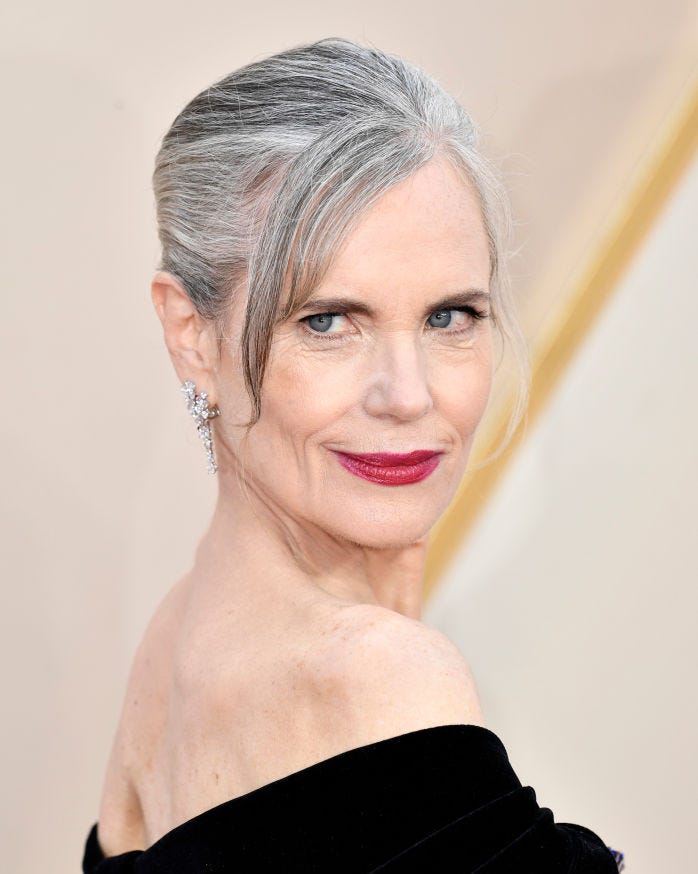
Photo Credit – Google
For blondes, warm shades like champagne or buttery tones lift and lighten without washing out the complexion. Medium brown shades with caramel highlights add depth, making gray roots less noticeable. Strawberry or soft rose hues can bring warmth and brightness, helping hair feel alive rather than flat.
The type of color matters as much as the shade. Permanent dyes cover gray fully but can be harsh on aging strands and require frequent touch-ups. Semi-permanent or demi-permanent formulas fade gradually, softening the line between roots and treated hair while being gentler on fragile strands.

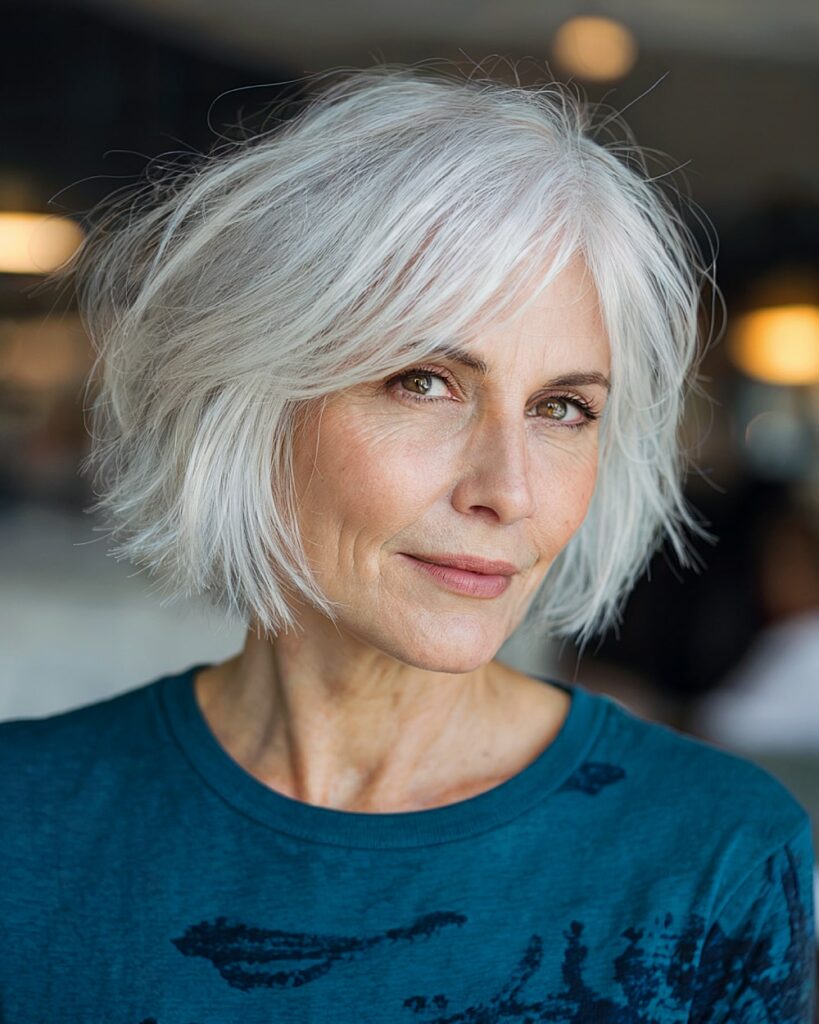
Photo Credit – Google
Gloss treatments are another tool to refresh tone and enhance shine between color appointments. These treatments don’t change the shade dramatically but help hair reflect light evenly, giving it a healthier, more luminous appearance.
Completely hiding gray isn’t necessary. Stylists often use strategic highlights or lowlights to blend gray naturally with existing color. This approach reduces harsh lines and makes regrowth look intentional rather than stark. Blending also adds subtle depth and movement, which keeps hair looking lively even as gray grows in.

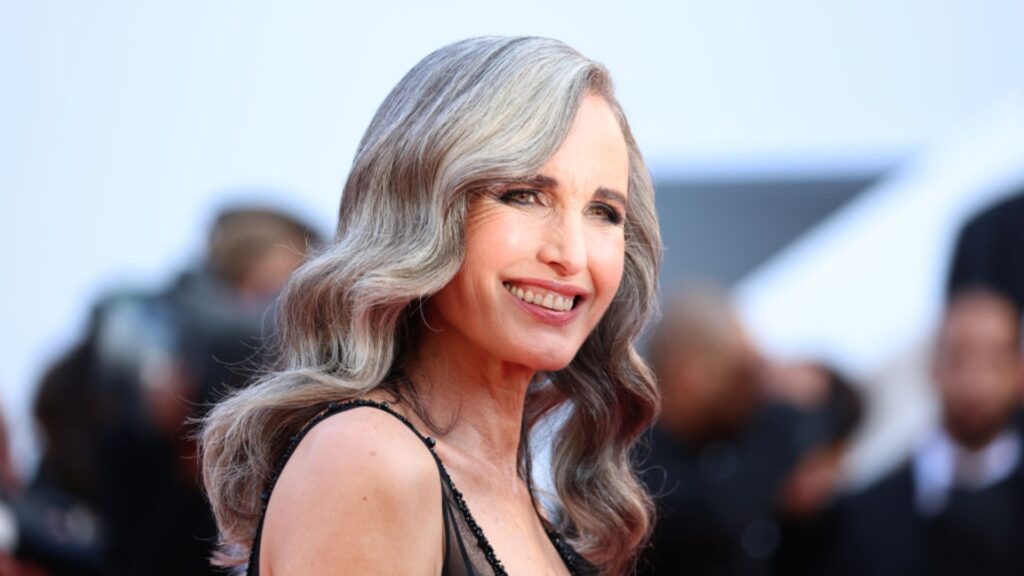
Photo Credit – Google
Very dark or cool tones can make skin appear dull or pale, while overly light or icy shades may emphasize contrast. Choosing colors close to natural undertones keeps hair looking integrated and flattering. When in doubt, warm neutral tones often provide the most flattering, low-maintenance option.
There isn’t a single “best” color for every woman, but the strategy is consistent: pick shades that blend with gray, complement skin tone, and enhance hair’s natural texture. Combined with gentler formulas and targeted gloss treatments, these choices create a look that’s polished yet effortless to maintain, hair that reflects light, feels soft, and grows out gracefully.