Beauty
Interested in DIY Microneedling? Read this First

Microneedling has a certain mystique to it. The promise of smoother skin, softened scars, and that elusive “glow” can tempt anyone into picking up a device and giving it a try at home. But before plunging tiny needles into your face, it’s worth pausing to understand what’s really happening, what’s at stake, and why this trend demands a level of respect that often gets lost on social media.
Those neat videos you see online tend to make microneedling look easy, almost relaxing. In reality, you’re creating hundreds of controlled micro-injuries and asking your skin to repair itself in a very specific way. Professionals train to understand needle depths, pressure, skin integrity, wound-healing phases, and how to recognize when the skin is saying “yes” versus “absolutely not.” At home, without that trained eye, the margin for error can be thin. The skin doesn’t often scream its warnings; it whispers them, and ignoring those whispers can lead to hyperpigmentation, prolonged inflammation, or infections that aren’t as easy to dismiss as a temporary breakout.
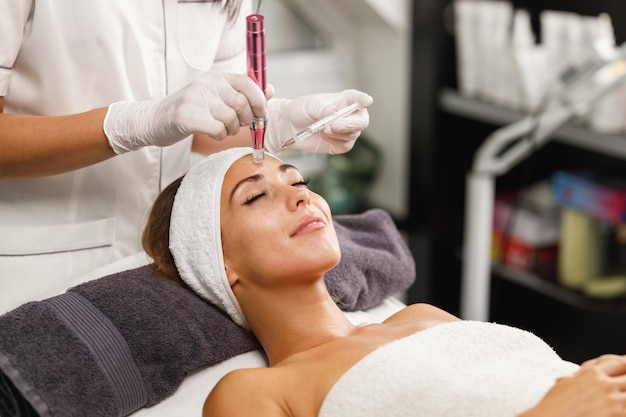

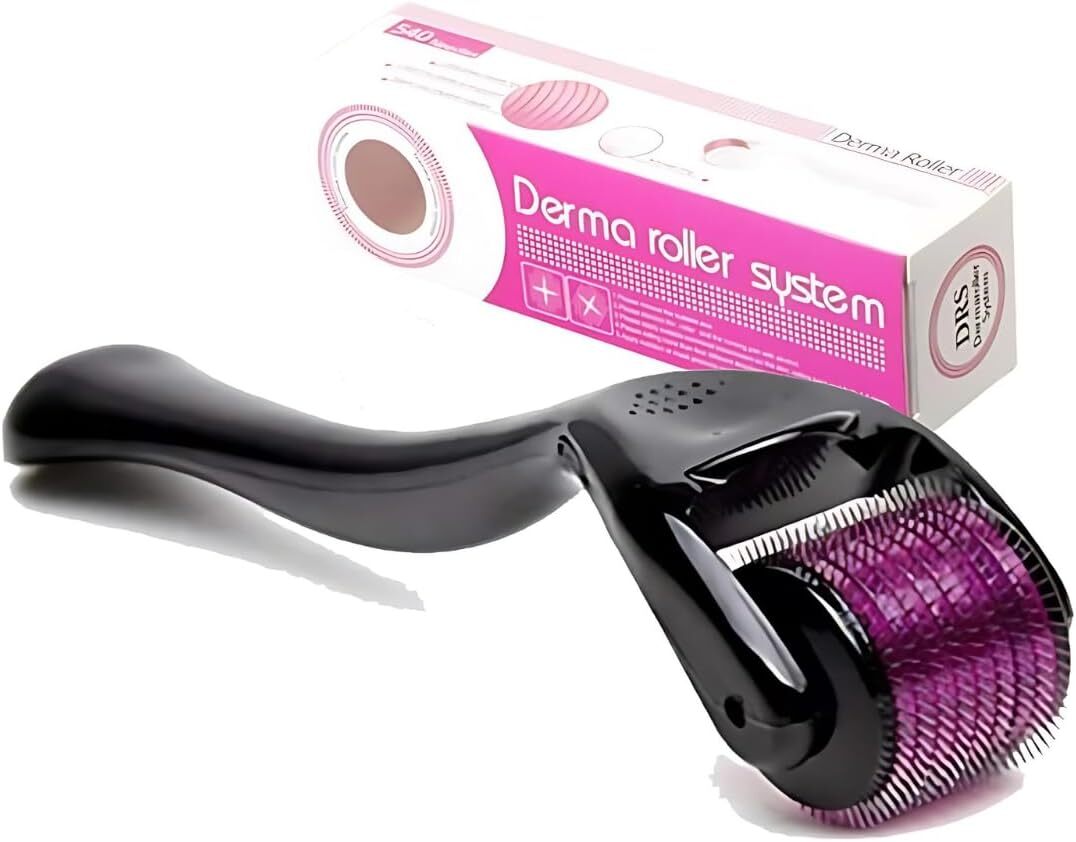
What most people don’t realize is that skin doesn’t behave predictably for everyone. Its response is affected by your history with retinoids, peels, sun exposure, and even stress levels. If your barrier is compromised, microneedling isn’t a tune-up; it’s an added injury that may slow healing rather than spark renewal. And then there’s the question of the device itself. Many DIY tools are not engineered with the precision of professional equipment, and their needles can dull quickly. A dull needle doesn’t pierce; it tears. Torn skin doesn’t heal neatly.
Sanitation is another part of the story that rarely gets told in detail. Professionals work in environments built around sterility. At home, even with the best intentions, there’s a difference between “clean” and “sterile.” When you’re creating micro-channels in your skin, that difference matters. A contaminated tool or product can introduce bacteria where your skin is most vulnerable, and that’s how a routine self-care experiment becomes a dermatology appointment.

None of this is meant to scare you away from the idea. Many people explore home treatments because they want agency over their skincare or because professional sessions are expensive. Those reasons make sense. But if you’re going to take the DIY route, the mindset should shift from excitement to responsibility. Research the science behind collagen induction. Understand the risks specific to your skin tone and type. Consider speaking with a dermatologist before you begin, not because you need permission, but because insight can prevent problems you can’t undo with a serum.
Microneedling can be transformative, but transformation depends on timing, technique, and respect for the skin’s complexity. Before you follow a trend, it’s worth asking what your skin is actually ready for and whether a professional’s hand might give you better, safer results. The most empowering choice isn’t the one that feels most independent it’s the one that protects your skin today so you’ll love it tomorrow.