Fragrance
How Social Media Is Influencing Perfume Trends

Fragrance used to be a private choice, something chosen at a counter, tested on a wrist, and worn for months before anyone else noticed. Now it moves differently faster, more visible, and starts on TikTok feeds.
Scroll through TikTok or Instagram Reels and perfume is no longer just perfume used to symbolise personal style. Compliment-attracting scent, fresh, skin-like fragrance profile, heavy vanilla notes, a scent that lingers in memory long after you leave.
These labels rarely come from fragrance houses. They come from users who turn scent into short video content. A single clip can push a perfume into wider visibility. A creator sprays a fragrance, tilts the camera slightly, and says something like, “This smells like expensive skin after a shower.” That clip spreads. It gets repeated, stitched, debated.

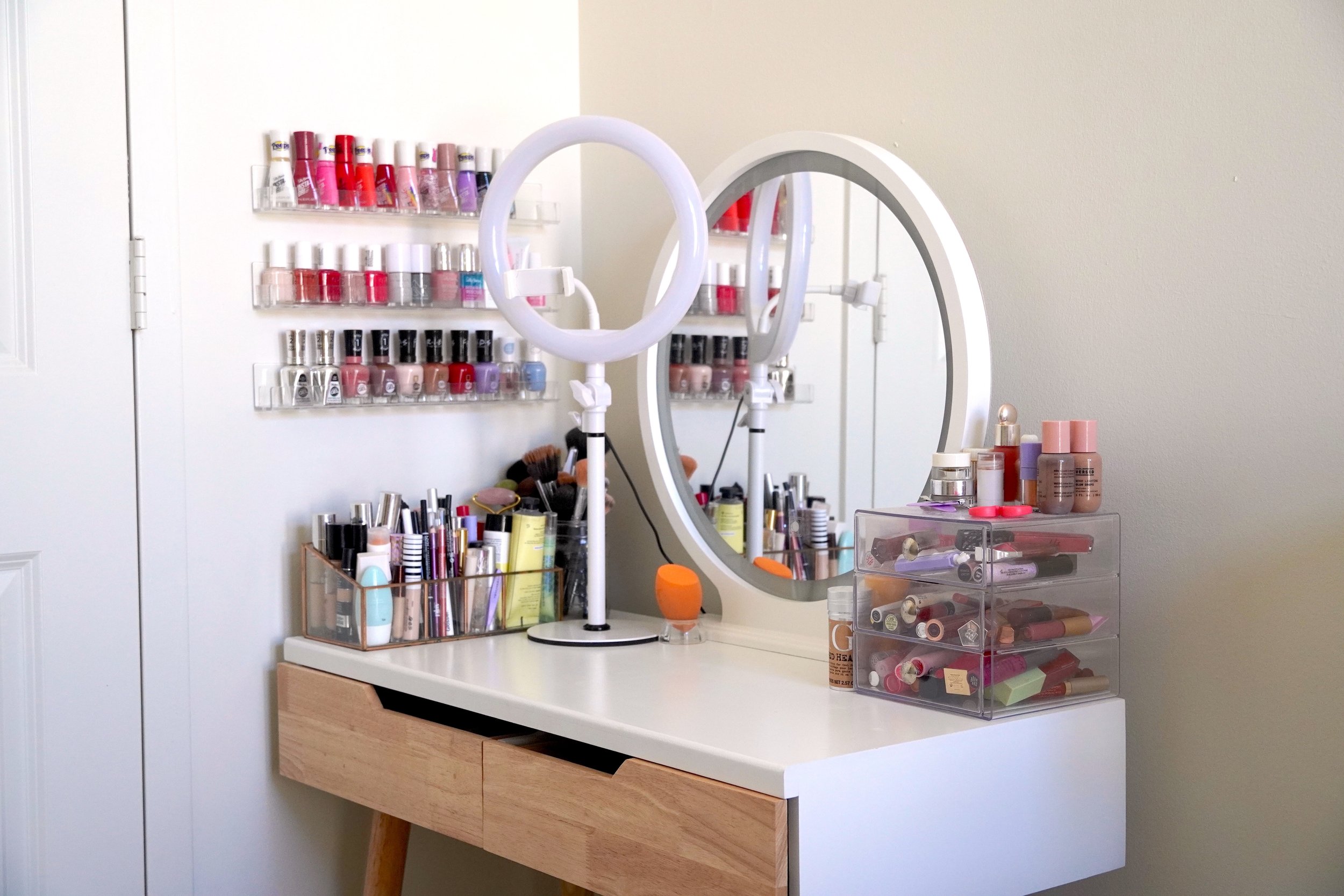
Photo: Dreamtime
The comment section becomes a discussion thread of comparisons, disagreements, and personal takes. Fragrance stops being private and becomes communal. What makes it more interesting is how quickly perfumes are categorised. One week it’s vanilla-girl energy, the next it’s dark cherry, then clean musk minimalism. These labels change quickly online. And yet, they feel personal enough that people begin to use them as style cues.
The question is no longer just what a perfume smells like, but what it says about the person wearing it especially online. Influencers drive this shift. A bottle placed on a marble counter in a “get ready with me” video can trigger thousands of searches.
Not because of detailed breakdowns, but because the presentation was convincing. Lighting, music, pacing all of it does as much work as the scent itself. Even when audiences know they are being influenced, the effect still holds.

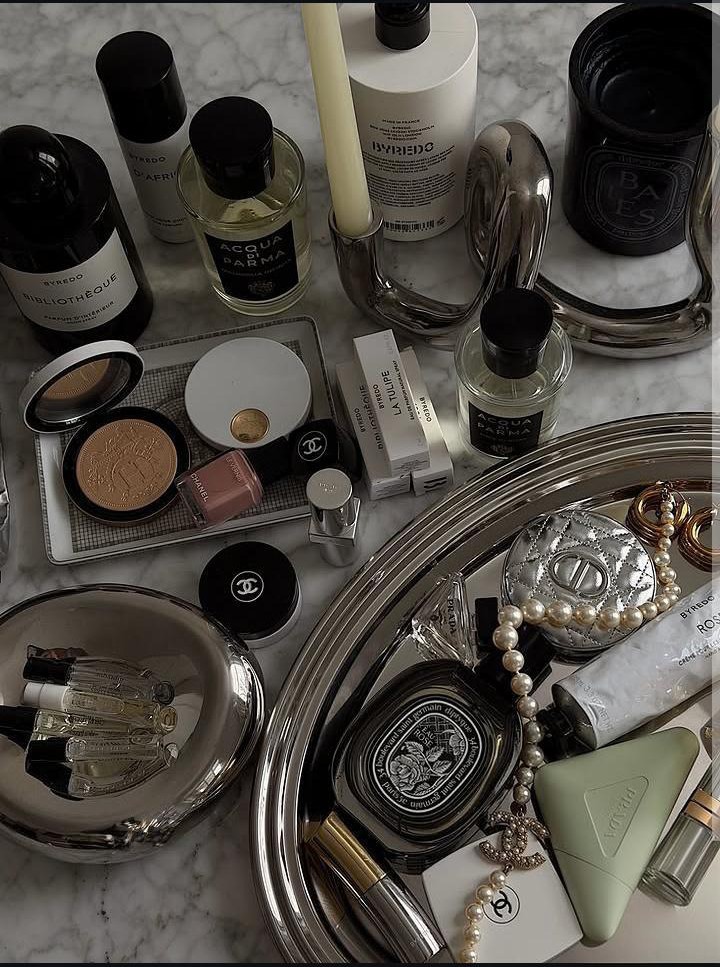
Photo: Instagram/@cocoworld
This has also changed how people buy perfume. Blind buying has is now common. Many users recommend scents they haven’t smelled in person, relying on shared descriptions like “safe blind buy” or “you won’t regret this.” Sometimes it works. Sometimes it doesn’t. But even disappointment adds to the discussion loop another review, another reaction, another round of attention.
Brands have adjusted accordingly. Campaigns are now designed for social platforms. They use more storytelling language than ingredient breakdowns. Descriptions move away from olfactory detail and toward mood-based language. Fragrance is increasingly sold as feeling, not composition. Social media has created a feedback cycle. Creators spark interest, interest drives demand, demand creates scarcity, and scarcity fuels more content.
A perfume can move from unknown to sold out in days, then quietly fade when attention shifts elsewhere. Perfume is still a personal choice. Behind every trending bottle is someone deciding how they want to present themselves.
Trends move quickly online, but in the end, it remains a personal decision on skin, in real time, without an audience.